
Last updated November 23, 2026
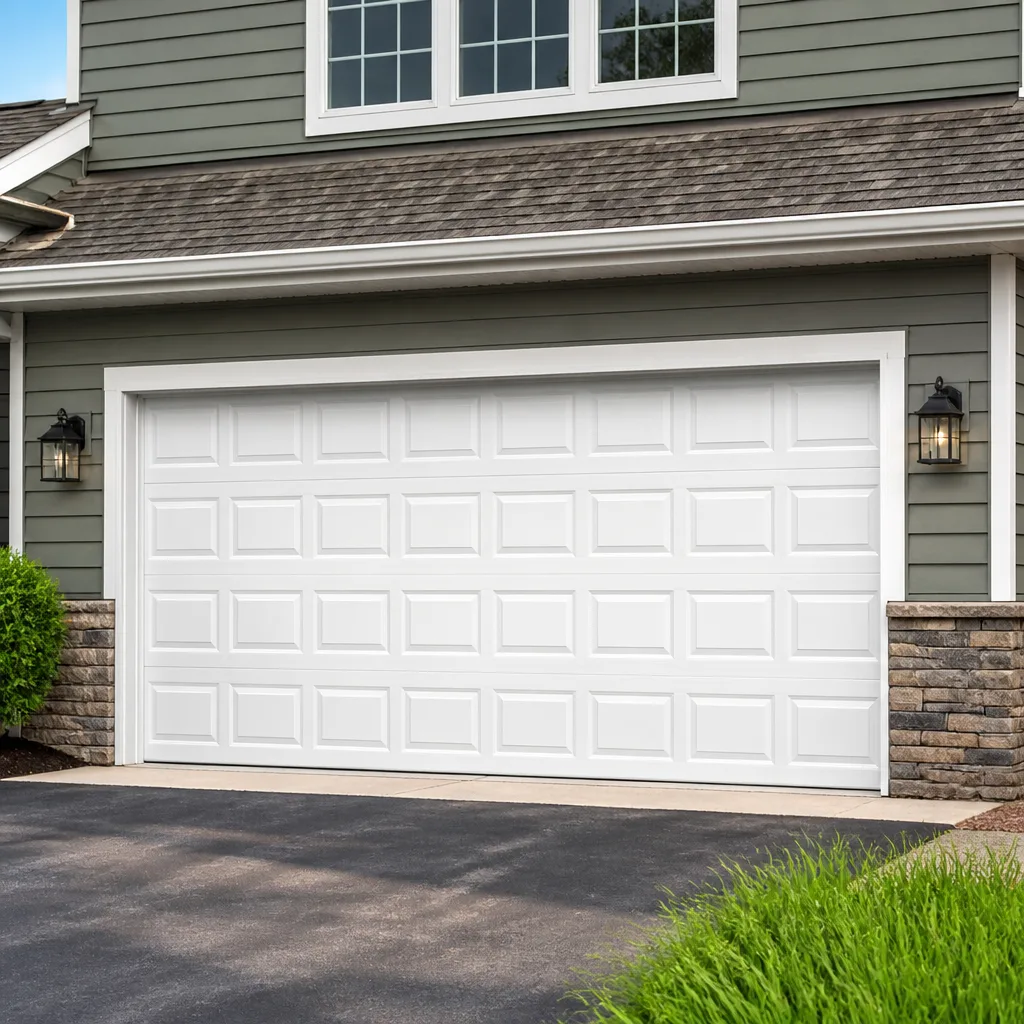 Raised-panel steel
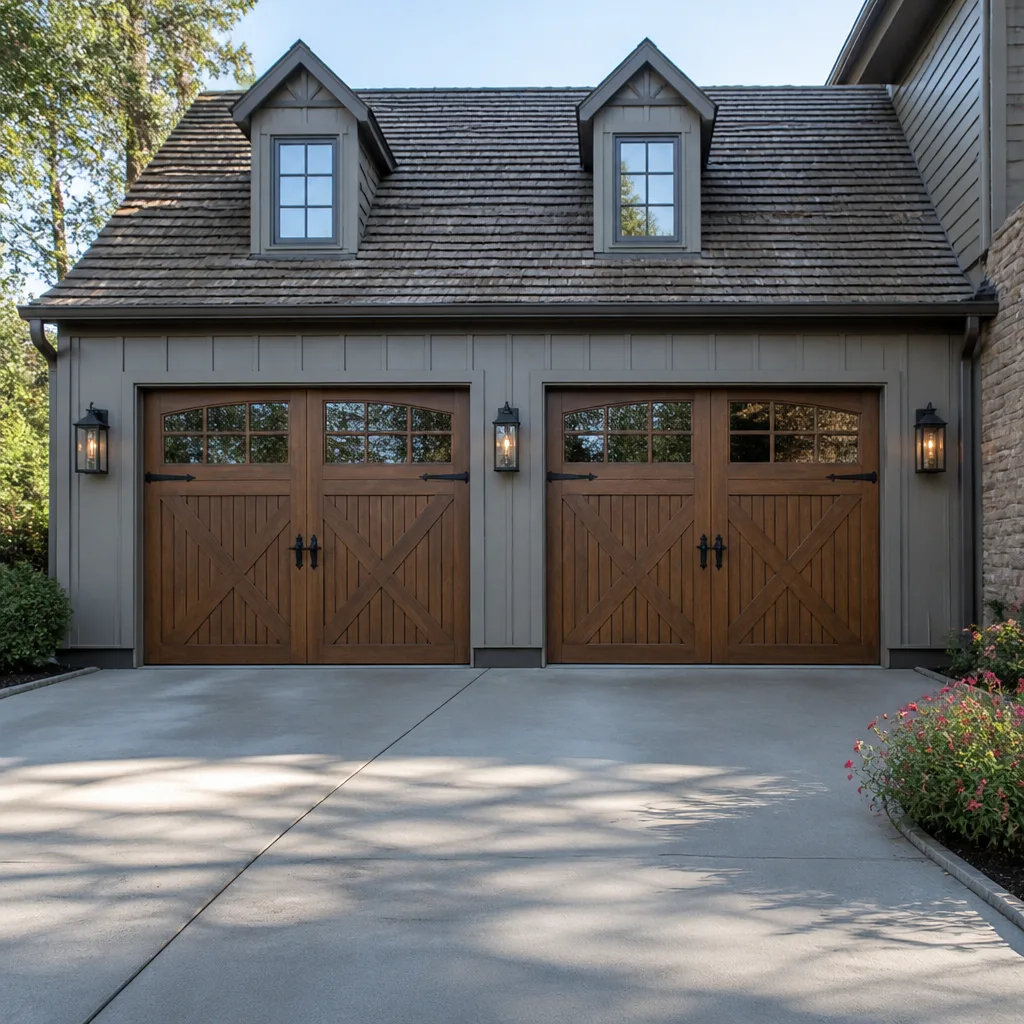 Carriage house
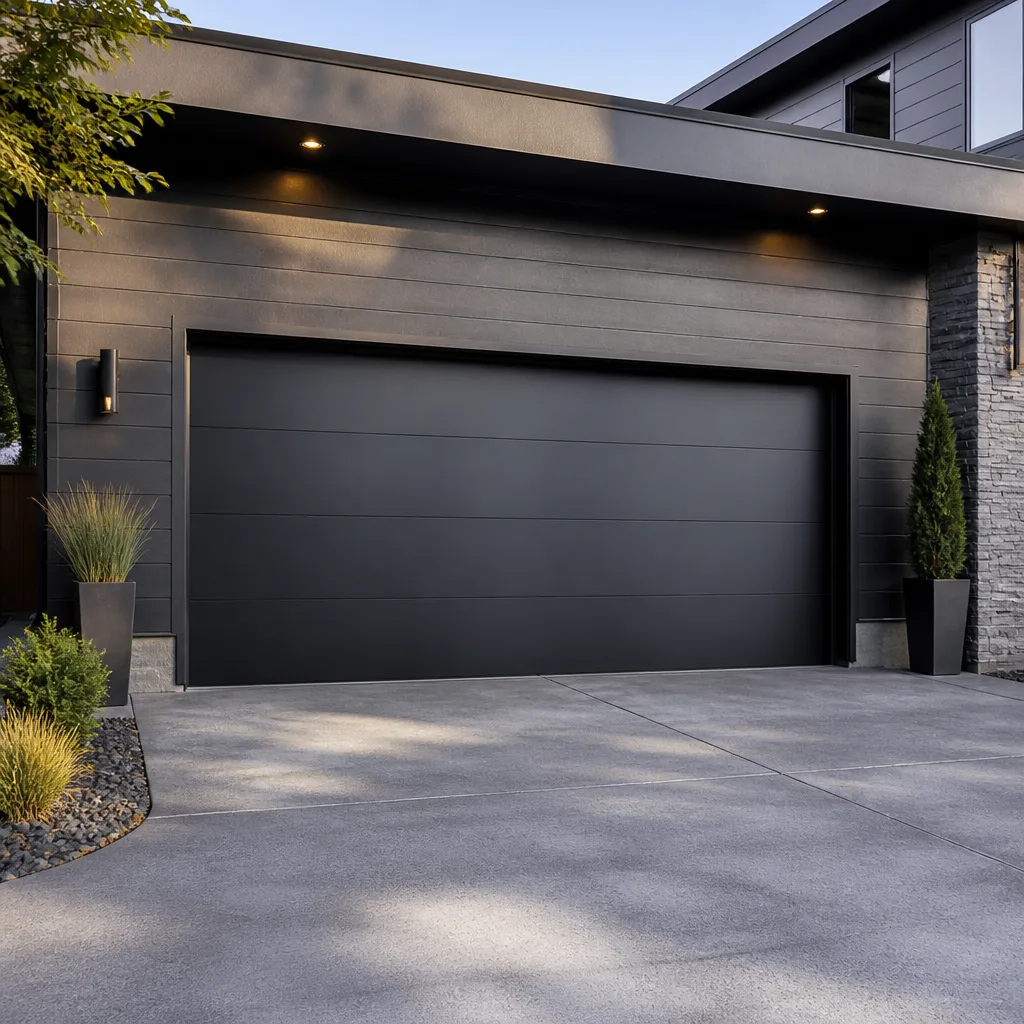 Modern flush
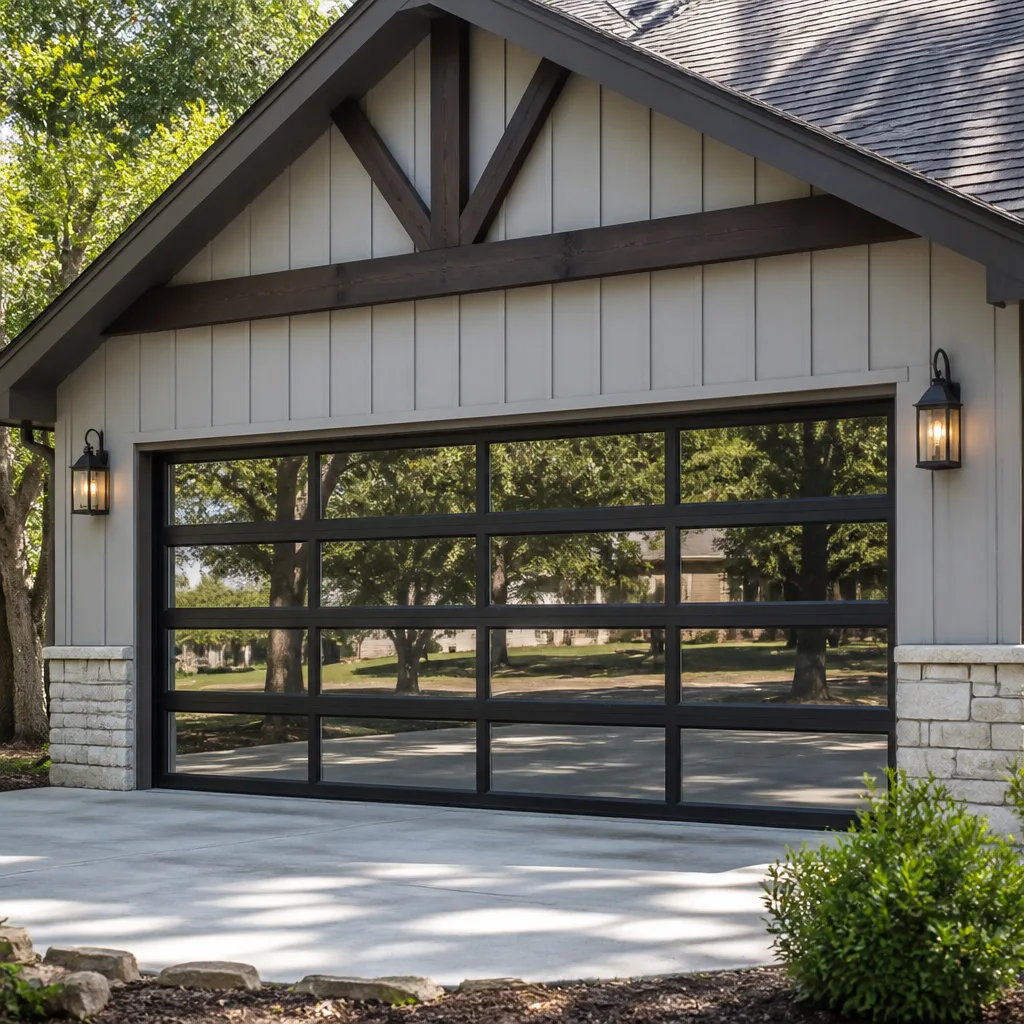 Full-view glass
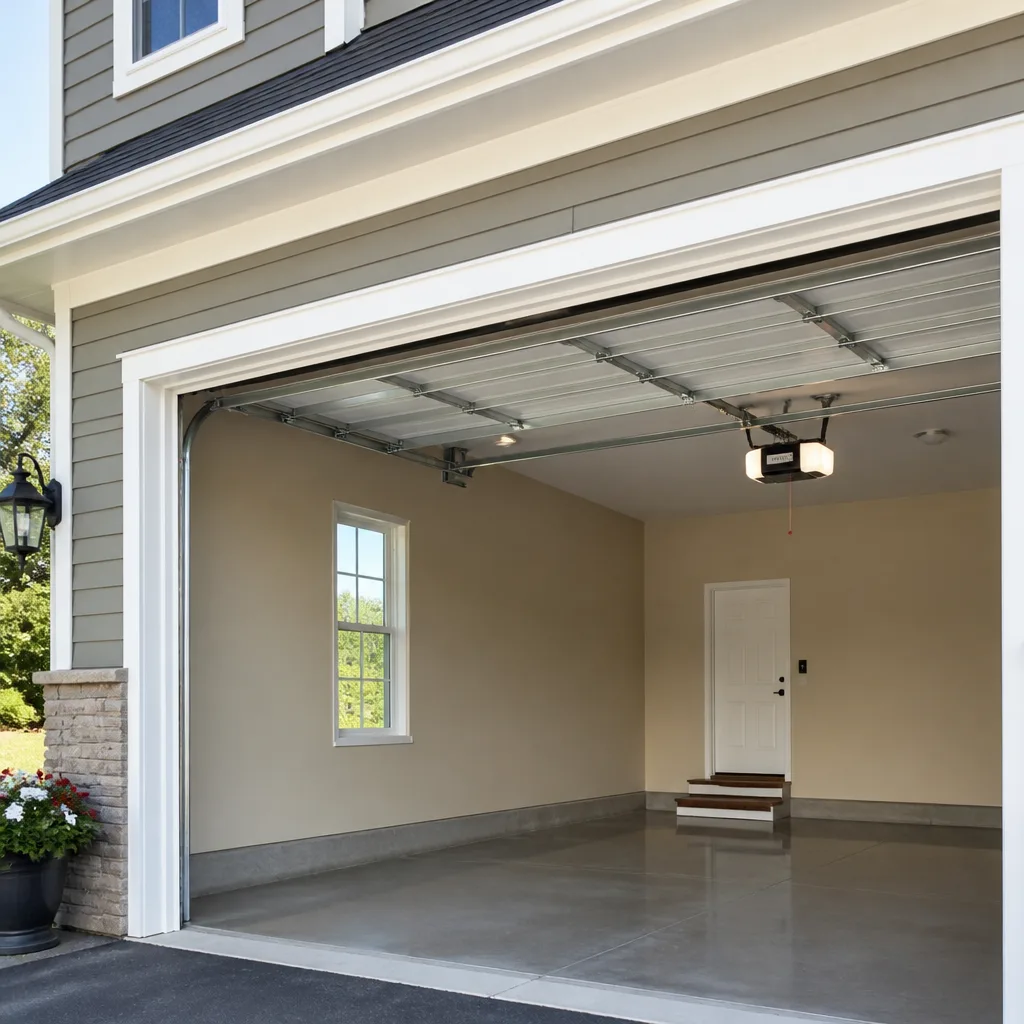 LiftMaster openers
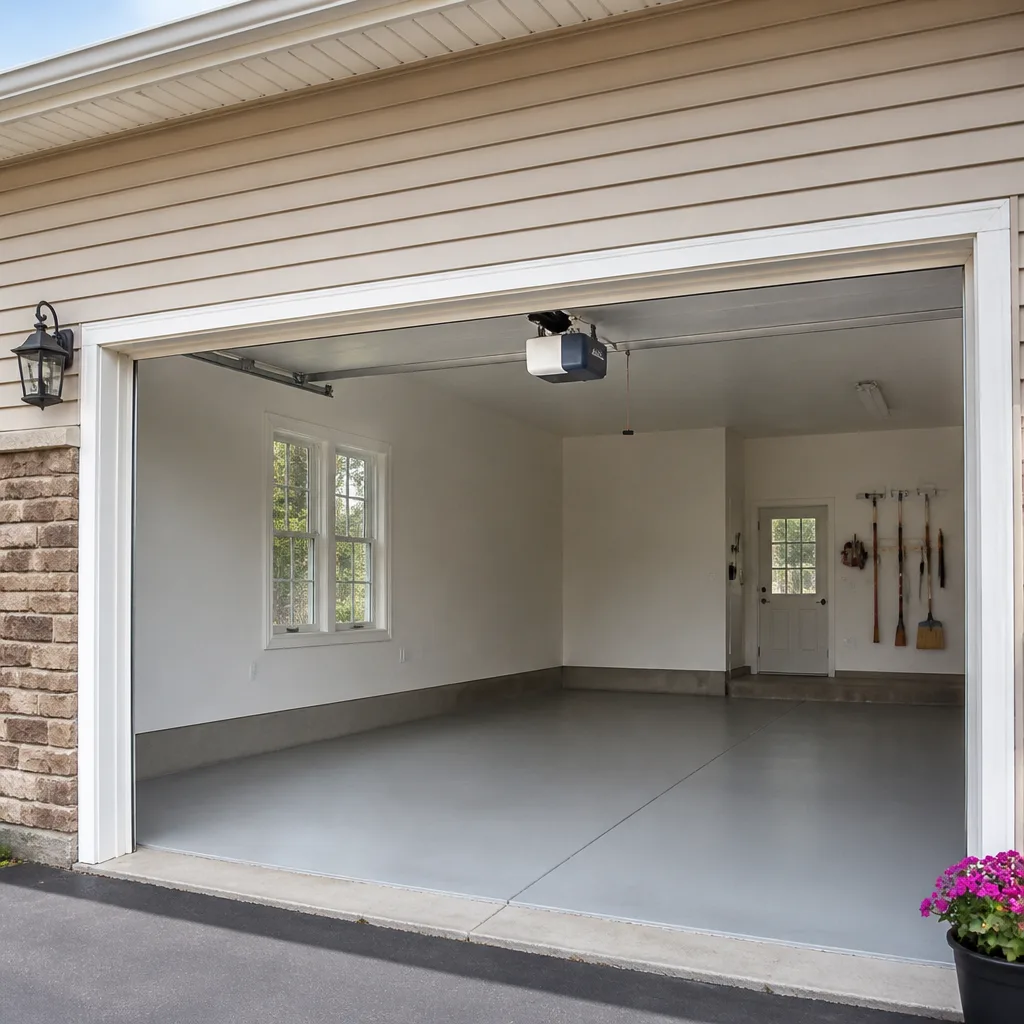 Chamberlain openers
Full 25-point door and opener safety check with every visit - springs, cables, rollers, tracks, and your LiftMaster or Chamberlain opener included
You get a price before we start. It does not change when the pro arrives.
Get your free estimateSeasonal Garage Door Care for Dale City: Year-Round Homeowner’s Guide
Most seasonal garage door advice is written for Minnesota and gets copy-pasted to Virginia, which is why it misses what actually breaks here. Dale City doesn’t get deep, sustained cold. It gets something harder on metal: overnight freezes that thaw by lunch, then repeat. A torsion spring in an unheated Dale City garage can cycle through dozens of these swings in a single week, and the coil that finally lets go usually does it on a cold morning when you’re already late. This guide walks through what tends to fail in each season here, what you can reasonably check yourself, and when to hand it to a technician who works on Clopay, Chamberlain, Genie, and Amarr equipment regularly.
Quick Answer
The single most useful seasonal habit in Dale City is a twice-a-year inspection tied to the freeze-thaw calendar: a fall check in October before the wet stretch and a spring check in March after the last hard frosts. That means testing the balance of the door, looking at springs and cables, cleaning the tracks, checking the weatherseal along the bottom, and testing the opener’s safety reverse. Everything else in this guide is detail layered on those two visits.
Styles & brands we work with
- Raised-panel steel
- Carriage house
- Modern flush
- Full-view glass
- LiftMaster openers
- Chamberlain openers
Table of Contents
- Why Dale City’s Climate Is Harder on Garage Doors Than You’d Think
- Fall Prep: Sealing Out the Wet November and December
- Winter: The Season That Breaks Springs
- Spring: Pollen, Humidity, and Rolling Gear
- Summer: Heat, Expansion, and Opener Drift
- The Month-by-Month Task Calendar for Dale City
- What You Can Check and What to Leave Alone
- Common Mistakes to Avoid
Why Dale City’s Climate Is Harder on Garage Doors Than You’d Think
Dale City sits in Prince William County, which means winters cold enough to freeze a garage solid overnight and afternoons warm enough to undo it a few hours later. That’s a much rougher pattern for a torsion spring than a place that stays below freezing for weeks at a time. Steel that expands and contracts daily doesn’t stay put. It fatigues. A spring rated for a given number of cycles can go well before its rated life in a climate that keeps testing it.
The same cycling works on the rest of the door. Tracks shift a fraction each time the metal warms and cools, and those fractions add up to misalignment. Rollers develop flat spots where they sit loaded against a cold track. Weatherseal at the bottom of the door hardens, cracks, and stops doing its job right when the wet weather starts. Even opener hardware isn’t immune: limit switches on a Chamberlain or Genie unit can drift as the door stops moving the way it did when the opener was first set.
Summers add their own pressure. Dale City’s humidity sits high for months, and a garage that gets afternoon sun turns into a slow cooker. Wood panels swell and doors expand just enough to change how they sit in the opening. That’s why a door that worked fine in April can sound different in July. None of this is a reason to panic. It’s a reason to pay attention on a schedule rather than waiting for something to snap.
One more local factor: the mix of housing styles across Dale City changes what breaks. Older garages with wood doors and unheated space see more spring and panel trouble. Newer builds with steel doors and smart openers see more sensor, track, and opener-drift issues. We work on both every week, and the failure calendar looks different depending on which one you live in.
Fall Prep: Sealing Out the Wet November and December
November and December in Dale City are the wet months. Rain arrives without much warning, and a garage door’s bottom weatherseal is the thin line between dry and damp. A cracked or flattened seal lets water track under the door, soak the bottom panel, and sit against the floor edge. Wood doors are most vulnerable; steel doors can rust at the bottom edge where water lingers. This is the one fall task worth doing before the rain season really starts.
Here’s a simple fall checklist to work through in October:
- Inspect the bottom weatherseal. Look for cracks, hardness, and daylight under the door. If you can see light, water gets through.
- Check the side and top seals. Gaps at the jambs let wind and rain in. These are cheap to replace and easy to overlook.
- Look at the bottom panel edge. Any softness, peeling paint, or rust bubbling means water has already been getting in.
- Test the door balance. Disconnect the opener and lift the door by hand. It should stay put about halfway up without effort.
- Wipe down the tracks and clean the rollers. Grime from summer pollen buildup will wear rollers faster once the weather turns.
- Test the opener’s safety reverse. Place an object in the door’s path and confirm the door reverses on contact.
If the balance test fails, or the door won’t stay put where you leave it, that’s a spring or cable issue, not a weatherseal issue. Put the ladder away and call a tech. Fall is also a smart time to get a free estimate on a door that’s showing its age. If panels are warped or the bottom edge is rotted out, garage door repair may not be the right call, and a tech can tell you honestly whether fixing or replacing makes more sense.
Winter: The Season That Breaks Springs
January and February are the highest-risk months for garage door springs in Dale City and across Northern Virginia. It isn’t deep cold that does it. It’s the pattern: an overnight freeze that pulls the metal tight, then a 50-degree afternoon that lets it relax, repeated over and over. Torsion springs live under constant tension, and every one of those cycles wears a little more life out of the coil. When it finally breaks, it’s usually early in the morning when the door is being opened for the first time, and it sounds like a gunshot.
There’s a reason we treat spring repair as its own dedicated service. Springs, cables, and the torsion tube carry enough stored energy to seriously injure someone. A snapped spring can whip a cable or send hardware flying. This is not a job for a homeowner with a ladder and a YouTube tab open. Our technicians have up to 11 years of experience, and even they treat every spring job as a two-person, safety-first task.
What you can do in winter is watch for warning signs:
- A gap between coils on one side of the spring when the door is closed
- Loud pops or snapping noises when the door opens or closes
- The door opening unevenly, or one side lifting before the other
- A visible kink or stretch in either cable
- The opener straining, straining harder, or stopping partway
Any of those signs means the spring is already on its way out. Getting it inspected before it fails is almost always cheaper and always safer than waiting for the snap. If your door has already failed, we offer emergency service for situations where a stuck door creates an immediate safety or security problem. Call (844) 766-2325. We answer 24/7. Fast dispatch from 7am to 7pm, Sunday through Friday. A call outside dispatch hours is booked into the next opening, Sunday through Friday, 7am to 7pm.
For a full explanation of how spring repairs work and what a typical job involves, see our garage door spring repair page.
Spring: Pollen, Humidity, and Rolling Gear
Spring in Dale City brings two things that quietly wear out garage doors: a heavy pollen load and the first stretch of high humidity. Pollen coats the tracks and roller bearings, then humidity turns that coating into a sticky paste that grabs onto every moving part. Rollers that should be rolling instead start dragging. Cable ends at the bottom of the door pick up fine grit and start to corrode. A door that was smooth in March can be stiff and jerky by May.
This is the season to focus on the moving parts. Rollers, hinges, and the pivot points get the most benefit from a fresh cleaning and light lubrication. Use a silicone-based lubricant, not grease, and skip the tracks themselves; tracks should be clean and dry, not lubricated. Clean tracks with a dry cloth and a little mild soap if needed.
A spring-season step-by-step:
- Clean the tracks top to bottom. Wipe out pollen and grit with a dry cloth.
- Check roller condition. Look for flat spots, wobble, or visible wear on the nylon or metal wheels.
- Lubricate the hinges and pivot points, not the tracks. A light swipe at each moving joint is enough.
- Inspect cable ends at the bottom corners. Look for fraying or rust at the loop.
- Re-test the balance. Disconnect the opener and confirm the door holds its position.
- Test the opener sensor and safety reverse again. Humidity can fog the sensor lens; wipe it clean.
Spring is also the best time to look at your weatherseal again, since pollen sticks to old cracked seals and makes them look worse than they are. It’s a good excuse to check.
Summer: Heat, Expansion, and Opener Drift
Summer in Dale City is hot and humid, and a garage door that faces the afternoon sun takes the brunt of it. Steel and aluminum panels expand in the heat, and that expansion pushes outward against the tracks. Over a season, that pressure can widen track gaps, warp weatherseal, and pull door panels slightly out of alignment. If you notice daylight at the sides of the door on hot afternoons that wasn’t there in April, that’s expansion at work.
The opener is the other summer trouble spot. Limit switches on a Chamberlain or Genie opener set the door’s travel distance. When the door frame expands or the door hangs slightly differently in the track, those limits drift. You’ll know it’s happening if the door stops short of the floor, reverses before it should, or travels too far and hits the frame. Resetting the limits is a small adjustment once you know what’s wrong, but it’s also easy to make the door travel too far or too little if you’re guessing. If the opener keeps needing adjustment every few weeks, the underlying issue is usually the door or the track, not the opener itself.
Summer tasks worth working into the routine:
- Re-check track alignment on hot afternoons, not cool mornings
- Clear the sensor lenses of dust and pollen residue
- Look for sagging or warping at the bottom panel edge
- Test the door balance one more time, since expansion can change it
- Confirm the opener isn’t straining harder in the heat
If your opener is struggling or acting unusual in the heat, our garage door opener repair covers both modern smart-home platforms and legacy systems like older Craftsman and Genie units.
The Month-by-Month Task Calendar for Dale City
Generic seasonal guides get you most of the way, but a month-by-month calendar built around Prince William County’s actual weather pattern catches the failures before they happen. This is the schedule we’d hand a homeowner in Dale City who wants to stay ahead of it:
- January: Coldest stretch. Listen for pops, watch for spring gaps, test the safety reverse at least once. If you hear a snap, stop using the door.
- February: Peak spring failure month. Any sign of spring fatigue means call now, before it lets go.
- March: Balance test, track clean, roller inspection. Last chance to catch winter damage before humidity arrives.
- April: Pollen season. Clean tracks weekly, wipe sensor lenses, lubricate hinges and pivot points.
- May: First humid stretch. Check cable ends for corrosion, confirm weatherseal still seals tight.
- June: Early heat. Re-check track alignment and opener limits as the door expands.
- July: Hottest month. Look for daylight at door edges, retest opener safety reverse.
- August: Late summer. Check the bottom panel edge for warping or seal separation.
- September: Cooling transition. Re-check balance and hardware tighten-up.
- October: Weatherseal inspection and replacement before the wet season. Full fall checklist.
- November: Wet season starts. Watch for water intrusion and rust at bottom panel edges.
- December: Cold returns. Sanity-check springs, cables, and opener behavior ahead of peak failure season.
You don’t need every one of these tasks every month. But a quick monthly walk-around that takes five minutes catches most of what goes wrong before it becomes a repair call. If you’d rather have a pro do the year’s inspection in one visit, our Dale City Garage Door Repair is a good place to start.
What You Can Check and What to Leave Alone
Some maintenance you can absolutely do yourself. Cleaning tracks, testing the safety reverse, wiping the sensor lens, checking for daylight under the door, and listening for strange noises are all safe. Replacing a weatherseal on a modern steel door is manageable for a careful homeowner. Replacing a roller is too, on most doors, as long as the door is parked in the down position and the spring isn’t under load.
What you should never touch: torsion springs, extension springs, cables, and the brackets they connect to. These parts hold enough stored energy to cause serious injury even when the door is closed. Every year, in every climate, people get hurt trying to tighten a spring or remove a cable on their own. The risk isn’t theoretical. If you suspect a spring or cable problem, stop using the door and call a professional.
Electrical work inside the opener motor or the wall wiring is another area to leave to a tech. The low-voltage sensor wires and the machine itself need a trained eye, especially on older Craftsman and Genie units where components may be discontinued. If your opener is climbing toward end of life, a tech can tell you whether repair or replacement is the smarter spend.
We also want to flag one thing that gets skipped: a door that sounds fine can still be out of balance or have a partially failed spring. Balance tests and visual checks catch things that volume alone won’t. If you’re ever uncertain, the cost of an inspection is small next to the cost of a snapped spring taking out your door panel or your car.
Common Mistakes to Avoid
- Treating spring noise as normal. A single pop is a warning, not a quirk. Waiting lets the spring do real damage when it goes.
- Greasing the tracks. Pollen and grit turn grease into a grinding paste on Dale City tracks. Clean the tracks and lubricate the hinges instead.
- Assuming the seal is fine because the door closes. Water comes through gaps you can’t see until the bottom panel is already swollen.
- Setting the opener limits by ear. If the door needs adjusting every few weeks, the real problem is usually the door or track, not the opener.
- Ignoring daylight at the door edges in summer. Expansion pushing against the tracks is the leading cause of panel warp and premature wear.
- Attempting a spring replacement. The most common serious garage door injury in the country is a homeowner trying to handle a spring. Don’t be that stat.
- Skipping the balance test. A door that isn’t balanced overloads the opener and accelerates wear on every moving part. Two minutes saves months of trouble.
When to Call a Professional
Call a tech when a spring pops or a cable frays, when the door is stuck open or stuck closed, when the door moves unevenly or hangs up in one track, when the opener stops mid-travel or runs on its own, or when a noise you can’t place keeps getting worse. If a stuck door leaves your home open to the street, that’s an urgent situation and worth treating as one. If your door is past fixing, ask about a new install before committing to another repair; we install Clopay, Amarr, and other major brands and can tell you whether repair or replace is the right call for your particular door. Dale City Garage Door Repair offers free estimates in Dale City. Call (844) 766-2325. We answer 24/7. Fast dispatch from 7am to 7pm, Sunday through Friday.
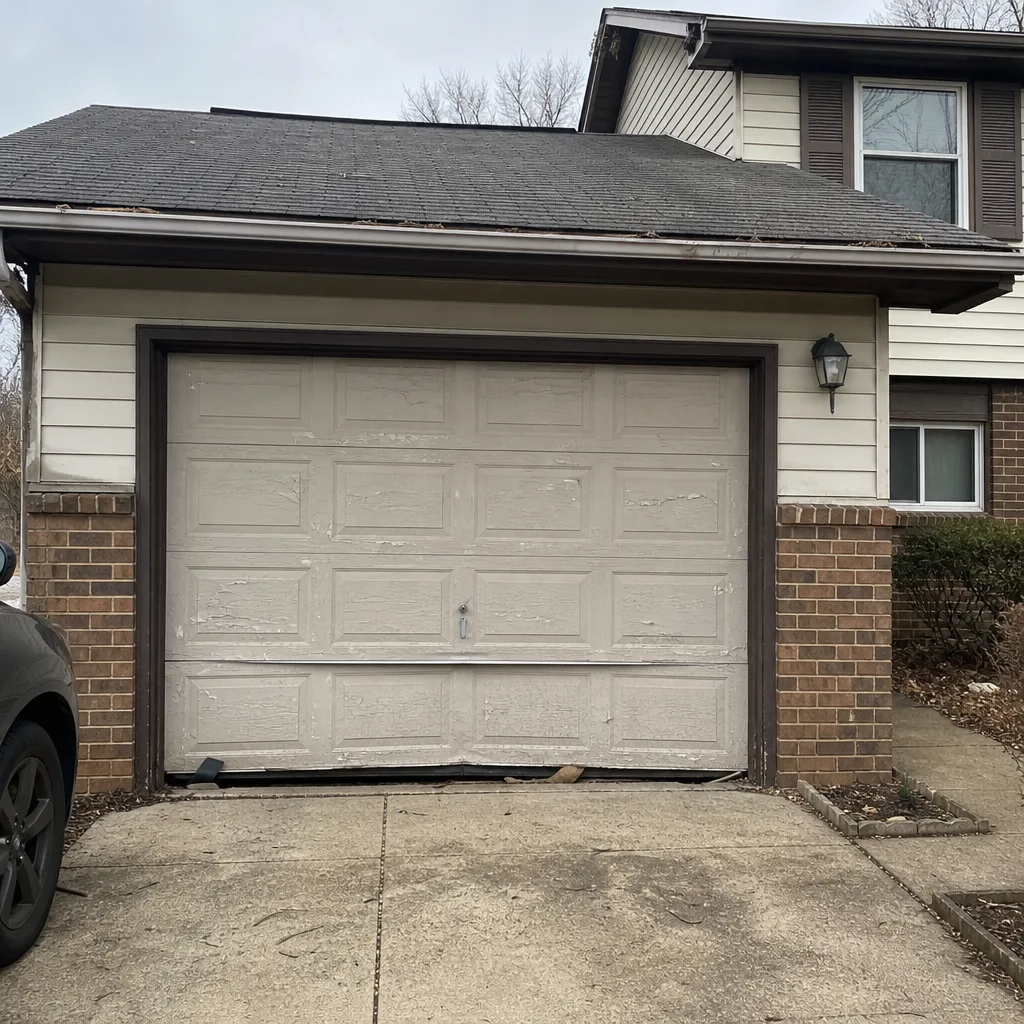
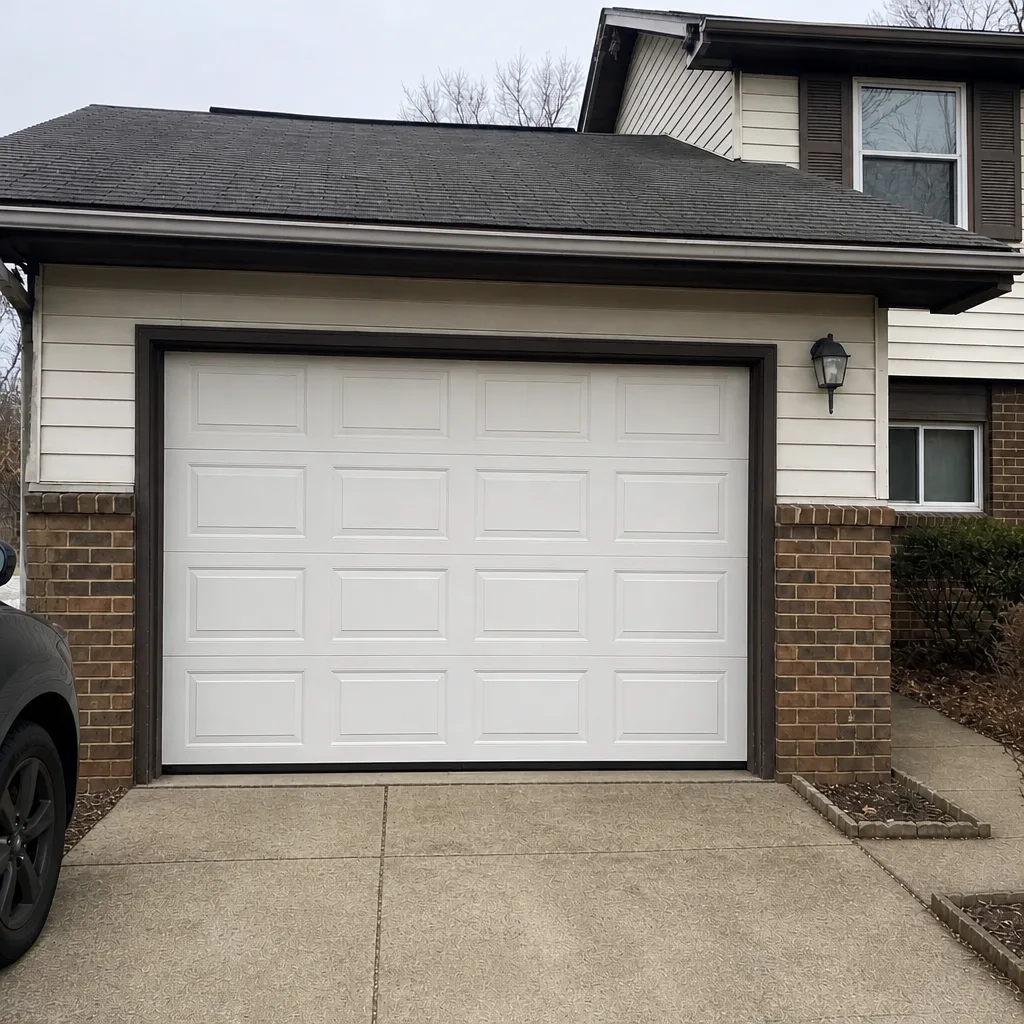
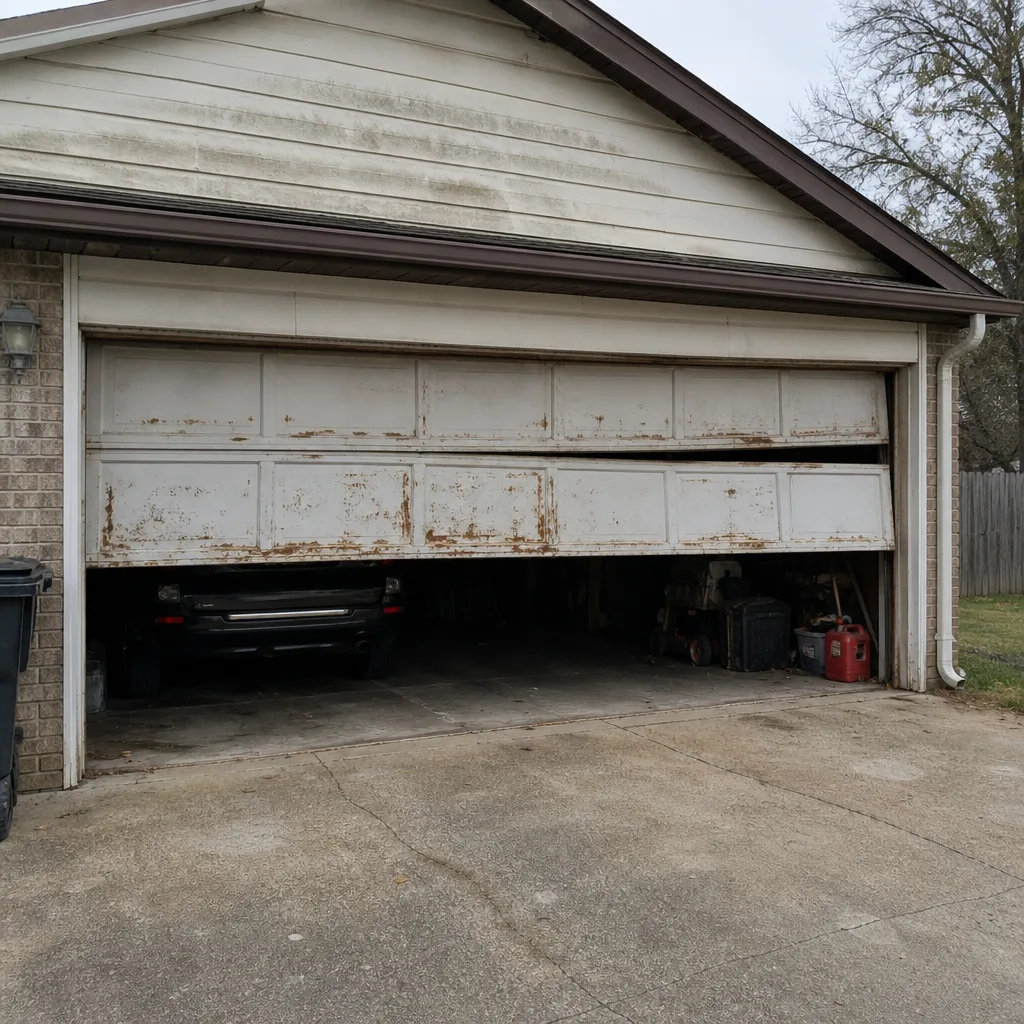
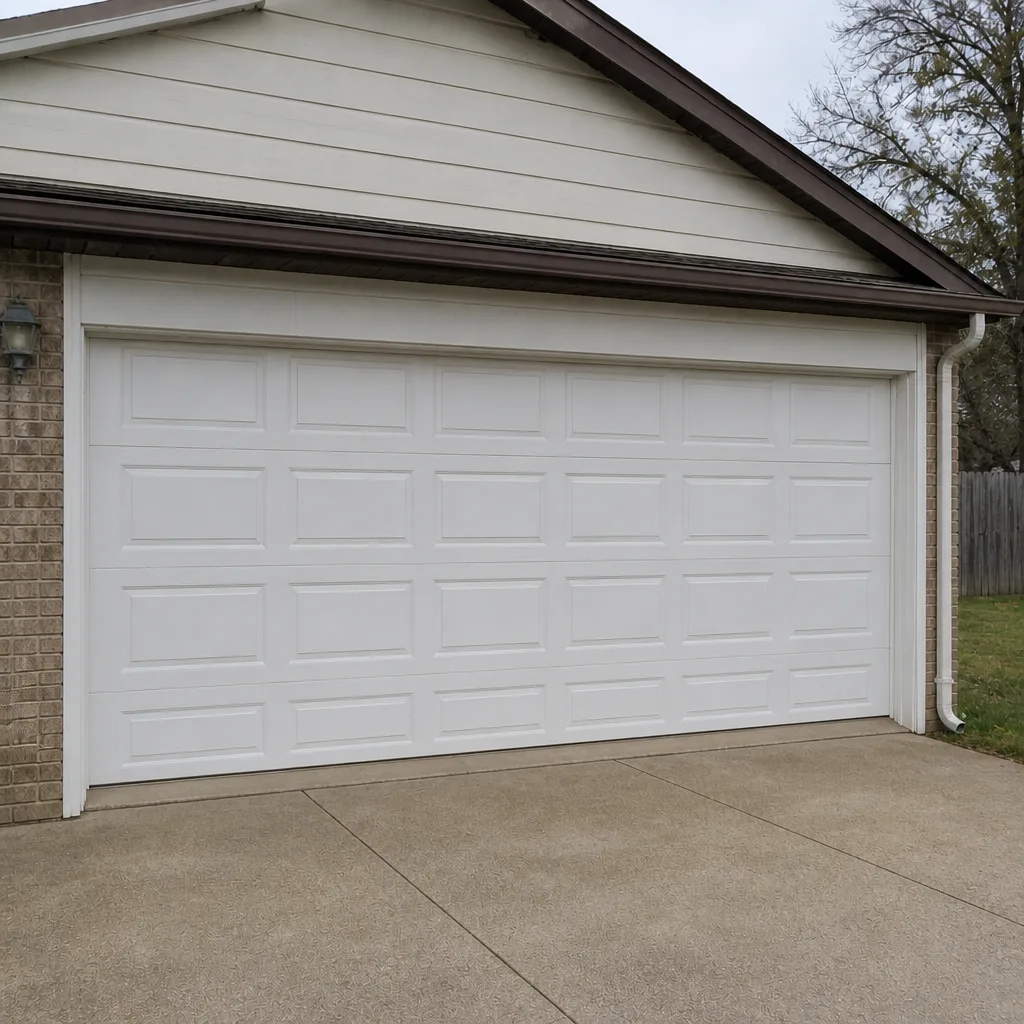
See the difference
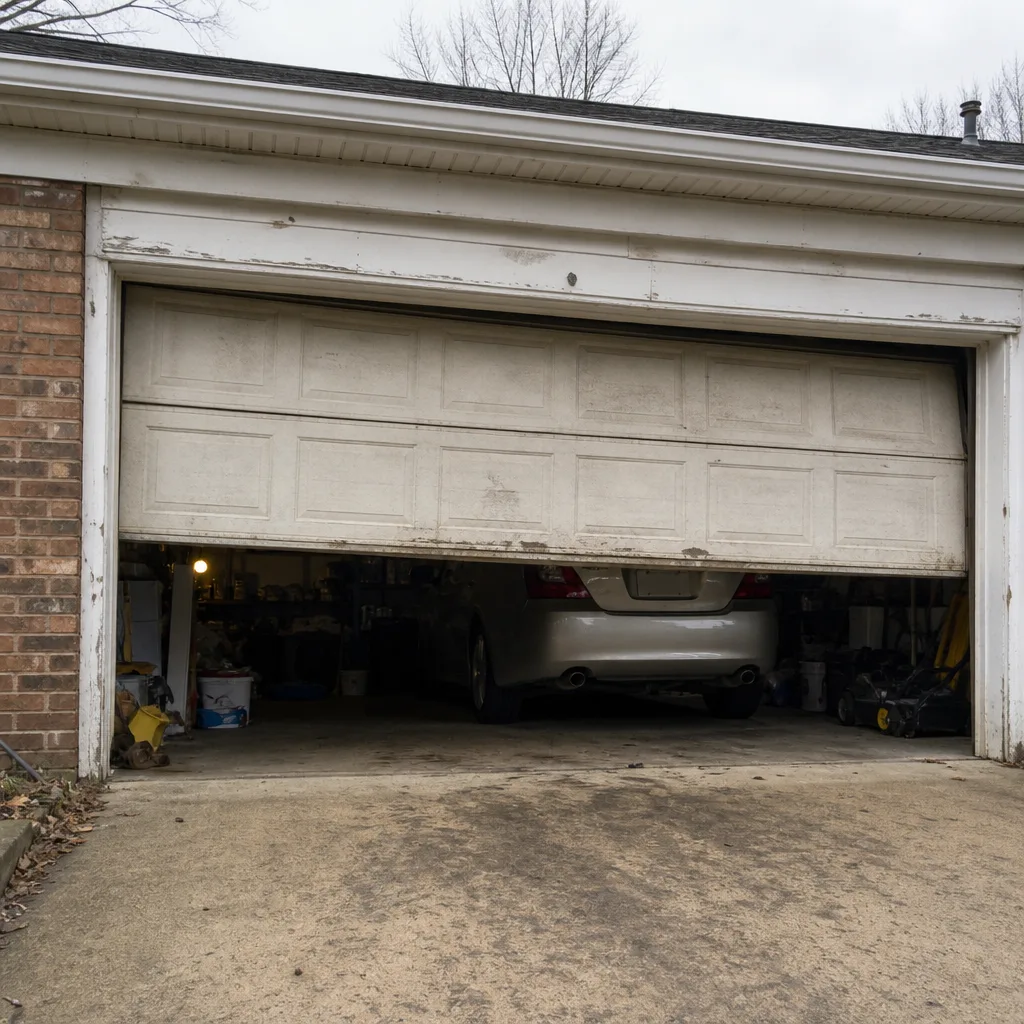 Before
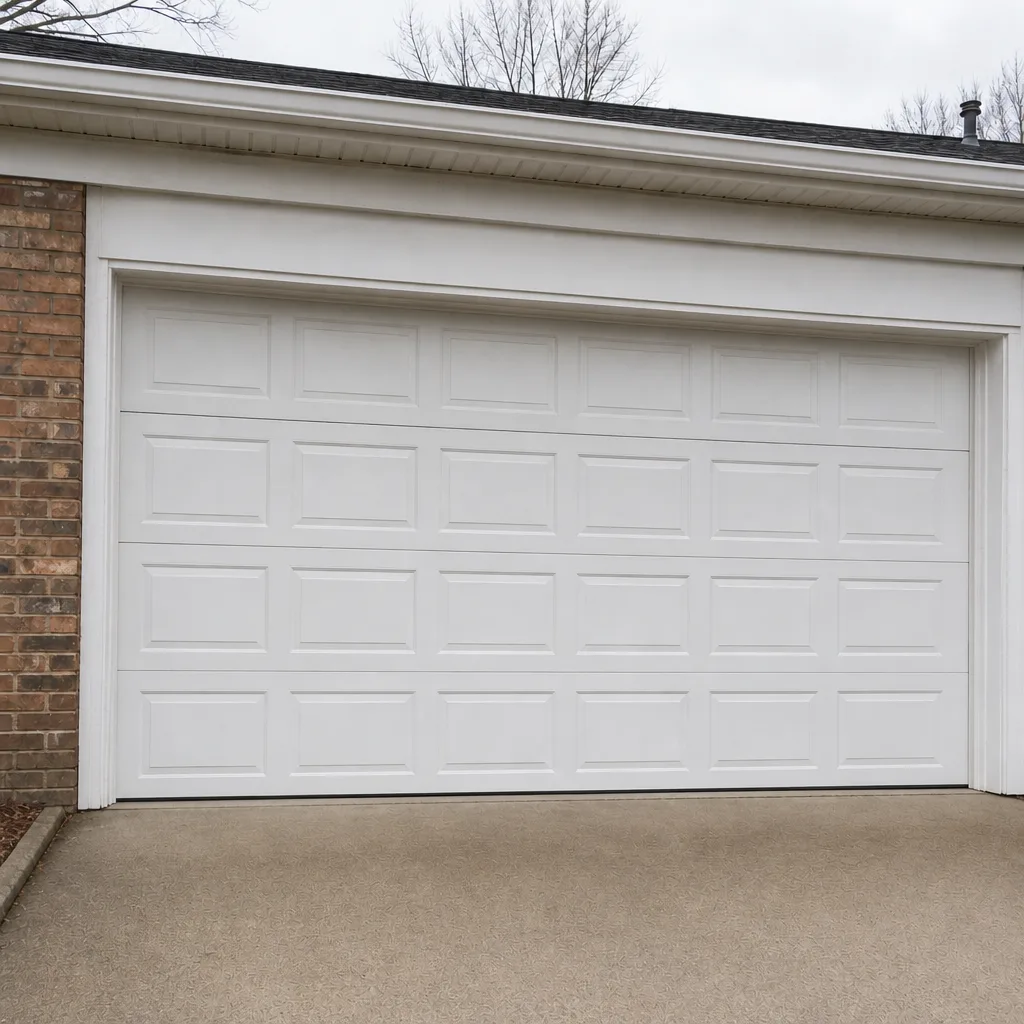 After
 Before
 After
 Before
 After
Frequently Asked Questions
Late January through February is the peak for spring failure here, driven by the freeze-thaw cycle rather than deep cold. The repeated overnight freeze and daytime thaw fatigues the metal faster than steady cold in a place further north. If your spring is showing a gap or making noise, call (844) 766-2325 before it lets go. Estimates are free.
Twice a year is the right cadence for most homes here: a fall check in October before the wet stretch and a spring check in March after the last hard frosts. That schedule catches the two biggest seasonal risks, weatherseal failure and spring fatigue, before they turn into repairs. A free estimate visit is a good way to reset the schedule if you’ve never had one.
No. Garage door springs, cables, and the brackets they connect to hold enough stored energy to cause serious injury, and this is not a safe DIY job under any circumstances. If a spring has broken or is showing signs of fatigue, stop using the door and call a trained technician. We handle spring repair as a dedicated service and our technicians have up to 11 years of experience.
Heat expands the door and frame, which changes how the door sits in the tracks and can push the panels slightly against the rails. That’s why a door that was quiet in April can sound tighter or chatter in July. Track alignment and opener limit adjustments usually resolve it. Call for an estimate if the noise gets worse.
Start with the bottom weatherseal. November and December are the wettest months here, and a cracked or flattened seal lets water under the door and into the bottom panel. After the seal, check door balance, cable ends for corrosion, and the opener’s safety reverse. An October inspection catches all of this in one visit.
Yes, on two sides. Thermal expansion pushes panels against the tracks and causes misalignment and warped weatherseal, and it also drifts the limit switches on openers like Chamberlain and Genie units left in direct afternoon sun. Checking track alignment and opener travel on hot days is worth the five minutes. Call (844) 766-2325 for a free estimate if anything looks off.
The Bottom Line
Seasonal care in Dale City is less about brutal temperatures and more about the freeze-thaw cycle and humid summers that quietly wear out springs, seals, and rolling gear. A fall inspection in October protects against the wet season. A spring inspection in March cleans up after winter and preps for pollen and humidity. Summer checks catch heat drift. Winter noise gets treated as the warning it is. Do the simple checks yourself. Hand the springs and cables to a pro. And when something sounds off, call before it fails rather than after.
Contact
Whether it’s a stuck door tonight, a spring that’s making noise, or an honest estimate on a new install, we’re here for Dale City homeowners. Call (844) 766-2325 for a free estimate. We answer 24/7. Fast dispatch from 7am to 7pm, Sunday through Friday. A call outside dispatch hours is booked into the next opening, Sunday through Friday, 7am to 7pm.
Written by the team at Dale City Garage Door Repair.