
Last updated November 23, 2026
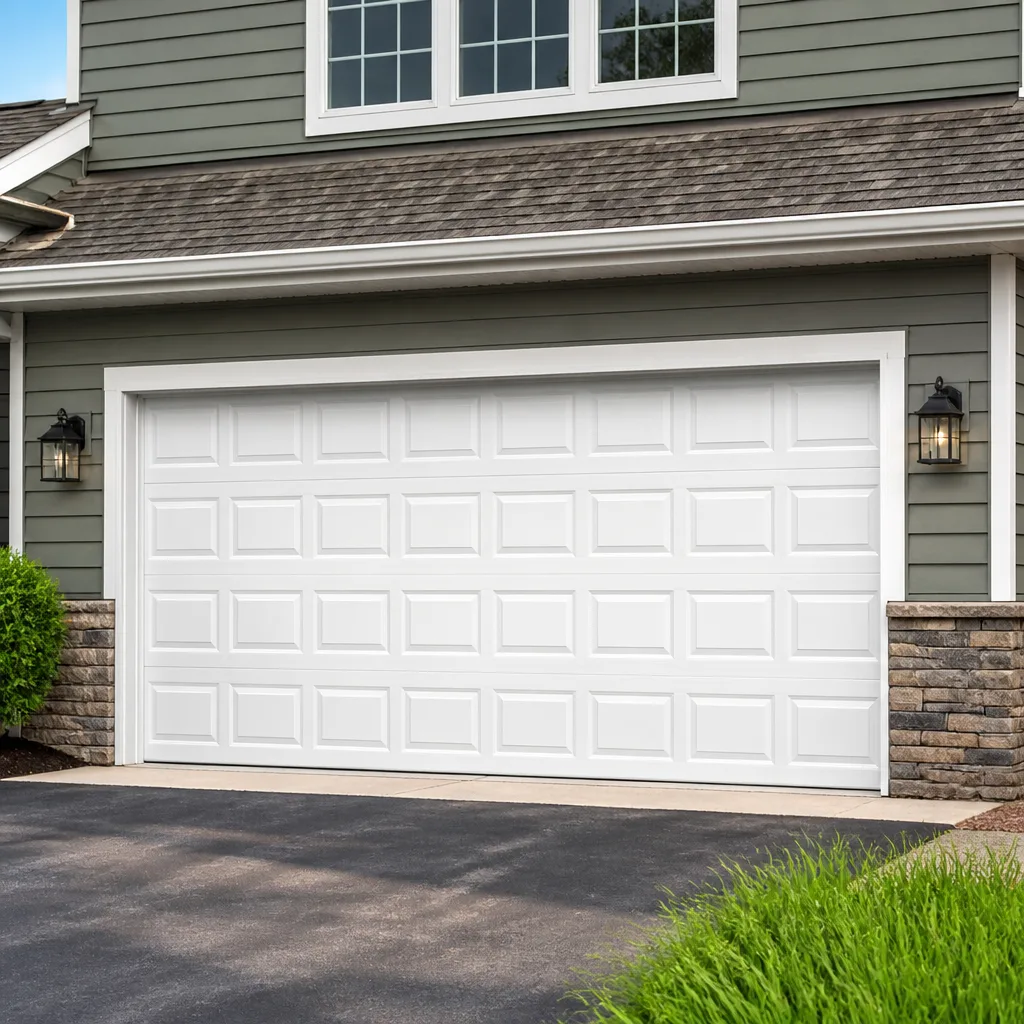 Raised-panel steel
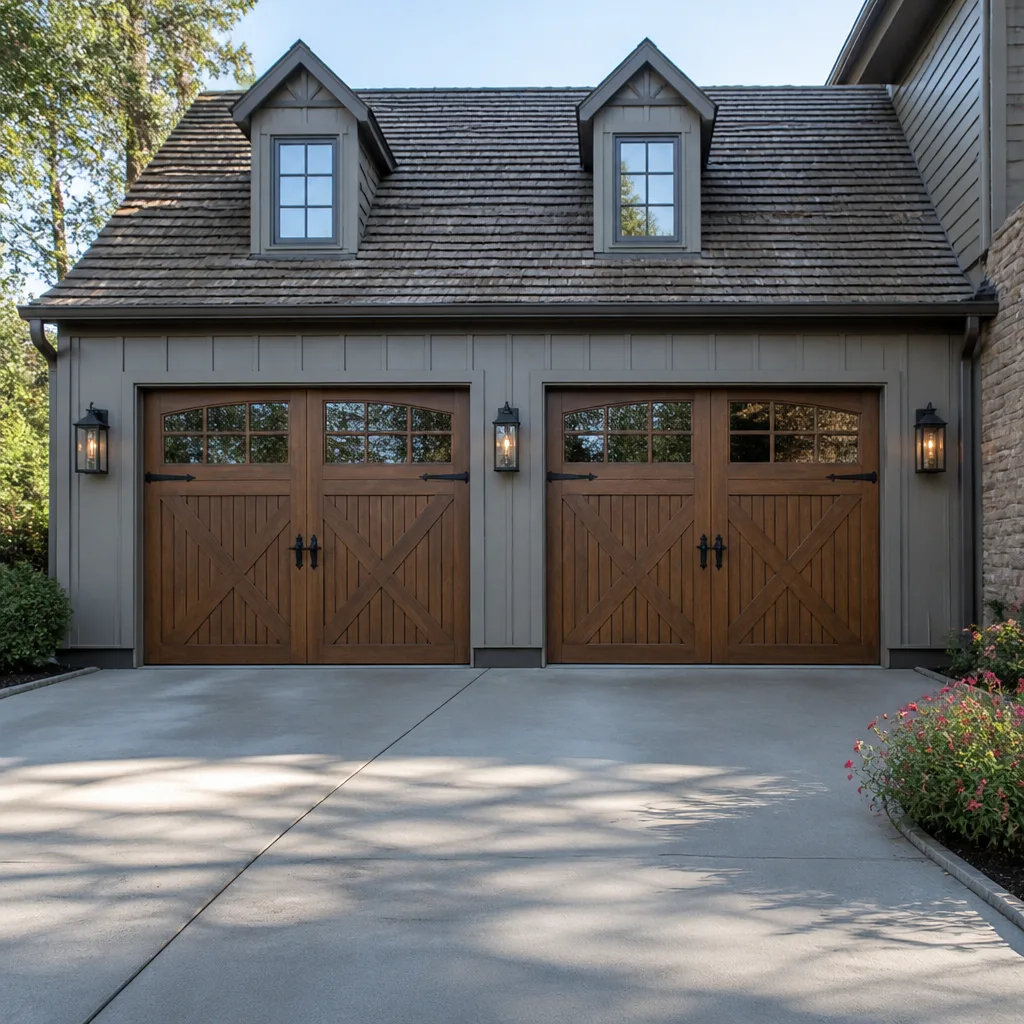 Carriage house
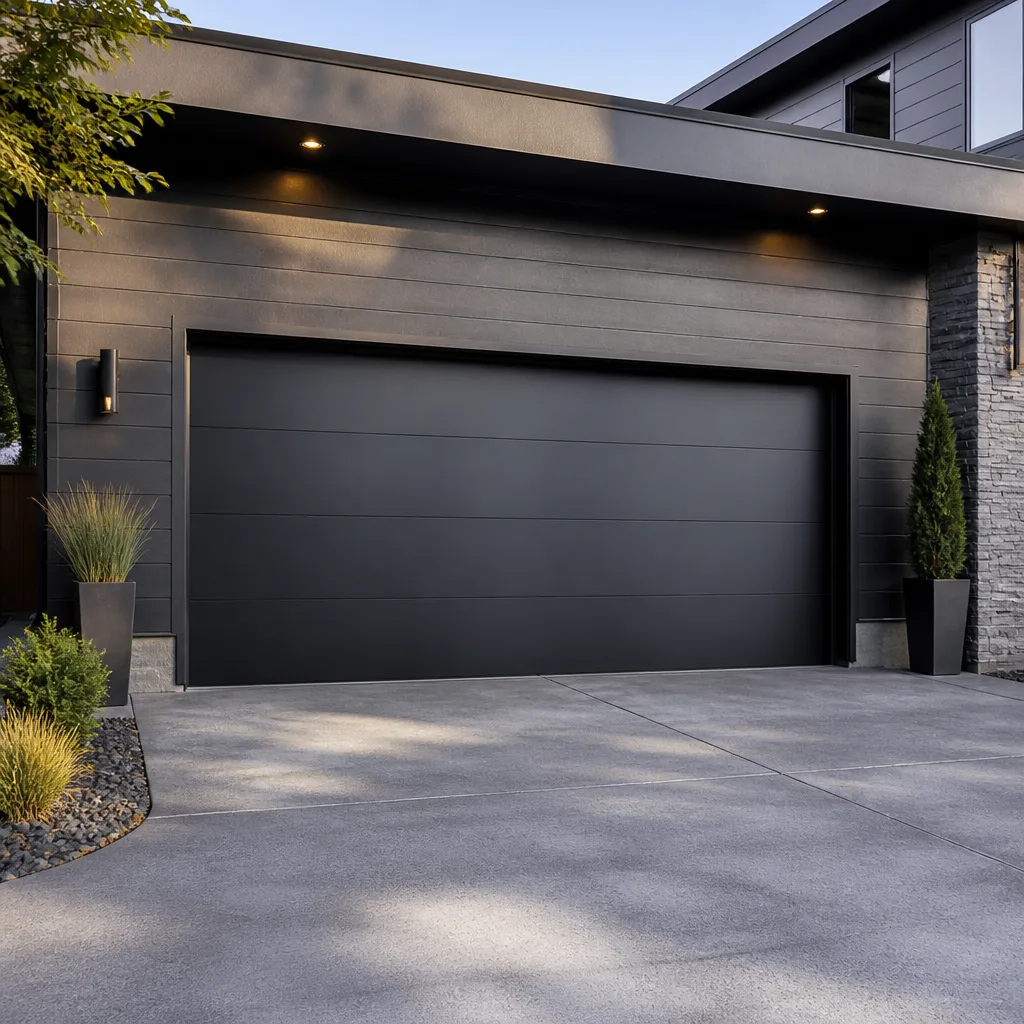 Modern flush
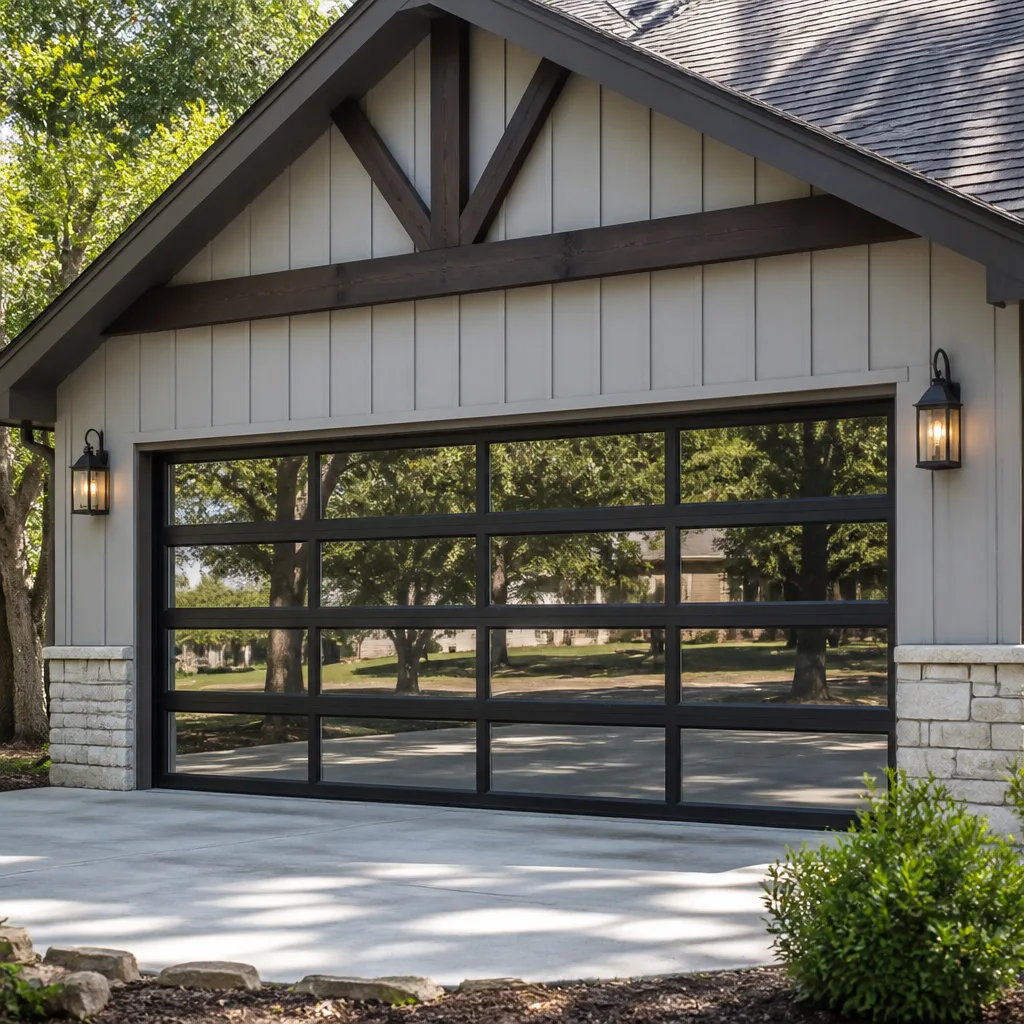 Full-view glass
 LiftMaster openers
 Chamberlain openers
Full 25-point door and opener safety check with every visit - springs, cables, rollers, tracks, and your LiftMaster or Chamberlain opener included
You get a price before we start. It does not change when the pro arrives.
Get your free estimateChoosing the Right Garage Door Brand: A Buyer’s Guide for Dale City
Most homeowners pick a garage door brand the same way they pick a paint color: by what looks good in the showroom. That’s backwards. The brand on your door matters far less than whether the people who fix it can get the right spring, panel, or opener board for your specific model without waiting a week and a half. One premium European door brand sells beautifully in Northern Virginia showrooms but has a single mid-Atlantic parts distributor. A broken spring in January means a 10-day wait instead of a same-day fix, and that’s the kind of gap that matters in Dale City when a garage is also your front door. This guide shows you how to judge a brand on parts availability, enforceable warranty, and how its finish holds up in Northern Virginia’s humid summers, rather than on advertising claims.
Quick Answer
The right garage door brand in Dale City is one a local technician can get parts for within 48 hours, whose warranty covers a real failure without a runaround, and whose steel gauge and coating suit a humid climate with cold winters. For most homeowners, that points to the widely stocked mainstream brands, Clopay and Amarr for doors, LiftMaster and Chamberlain for openers, with Raynor, Wayne Dalton, Genie, and Craftsman filling specific niches. Brand name alone tells you little; support after the sale tells you everything.
Styles & brands we work with
- Raised-panel steel
- Carriage house
- Modern flush
- Full-view glass
- LiftMaster openers
- Chamberlain openers
Table of Contents
- Parts availability: the factor most buyers ignore
- Which brands have local distributor stock in Northern Virginia?
- How each brand’s steel and finish handle Dale City’s climate
- Warranty comparison: what’s actually enforceable locally
- Brand-to-price-tier mapping
- Smart home compatibility: Ring, myQ, Google Home
- A step-by-step way to choose your brand
- Common mistakes to avoid
Parts availability: the factor most buyers ignore
Parts availability is the single best predictor of how painful garage door ownership will be, and almost no one asks about it at the point of sale. A door that breaks is not a design problem; all doors break eventually, at the spring, the cable, the rollers, or the opener logic board. What separates a good purchase from a bad one is how fast those parts arrive once they fail. When you’re standing in a Dale City driveway with a door stuck open and a house full of groceries, an eight-day factory order feels a lot longer than the brand’s showroom promised.
Three questions separate a well-supported brand from an orphaned one:
- Where does the part come from? A local or regional distributor with shelf stock means a day or two. A factory back-order means a week or more.
- Is the part proprietary? Openers with unique logic boards and remotes are harder to source than systems built on common components.
- Can any tech get it, or only a certified dealer? Brands that restrict parts to registered dealers narrow your repair options, which matters if your first choice is booked.
The brands with the deepest bench in the Northern Virginia market tend to be the ones you see on the most doors: Clopay, Amarr, Wayne Dalton, and Raynor for the door itself, and LiftMaster, Chamberlain, Genie, and Craftsman for openers. That’s not an accident of marketing. Broad installation volume creates local parts demand, and local demand is what puts springs, panels, and boards on a distributor’s shelf instead of a factory’s waiting list. We work on all eight of those brands, which is exactly why we care about this: a brand we can’t get parts for becomes an emergency call we can’t solve quickly. See our garage door repair page for how we handle common failures.
Which brands have local distributor stock in Northern Virginia?
Not every major brand keeps stock at the same depth in this region, and the difference shows up when you need a fix. Here’s a general picture of how the brands we service compare on local parts access. The rule of thumb: the more widely installed a brand is across Northern Virginia, the more likely a nearby distributor stocks its common components.
- Clopay and Amarr: Among the most commonly installed doors in the region, with the widest local stock on panels, spring hardware, and standard track components.
- LiftMaster and Chamberlain: The most common opener platforms in Dale City homes, with ready local access to logic boards, remotes, and safety sensors across the myQ family.
- Genie: Widely installed, with good local stock on the common opener parts and remotes; some specialty components need a short order.
- Wayne Dalton: Solid regional support for their common torsion systems and panels, with some model-specific parts requiring a factory order.
- Craftsman: Enormous installed base, and legacy opener parts are generally obtainable, though the older the system, the more often a part needs to be sourced rather than pulled from a shelf.
- Raynor: A commercial-leaning brand with strong build quality; some components take a bit longer to land than the volume brands.
The practical takeaway for a Dale City buyer is this: a mainstream brand with deep installation volume gets you a faster fix. That single consideration often outweighs a small edge in finish or hardware on a boutique brand. If your zip code is in the Prince William County core and you want a same-day or next-day repair, the brand you bought two years ago decides whether that’s possible. For spring failures specifically, which are the most common urgent breakdown, response depends entirely on whether the right spring is on a local shelf. That’s the reasoning behind treating garage door spring repair as its own specialty rather than an add-on.
How each brand’s steel and finish handle Dale City’s climate
Dale City sits in a pocket of Northern Virginia with humid summers, freezing winter swings, and salt-laden air moving inland from the nearby tidal areas. That combination is hard on steel, and it’s where door brands quietly separate. The two specs that matter most are steel gauge, meaning the thickness of the door skin, and finish coating, meaning the paint system bonded to that steel.
Thicker steel holds a panel’s shape better, dents less, and takes a finish more evenly. Most entry-level doors use a lighter gauge that performs fine in dry climates but can oilcan and ripple through the freeze-thaw cycles this region gets. Mid-tier doors step up the gauge and the coating. Premium doors use heavier steel and multi-layer finishes with better adhesion and scratch resistance.
- Humidity matters most for panels and hardware: summer humidity and damp spring weather accelerate corrosion on cheap rollers, hinges, and fasteners before the door skin ever shows wear.
- Winter freeze-thaw stresses the seals and moving parts: a door that’s fine in July can bind in January, and thicker panels handle that thermal movement with less flex.
- Finish adhesion beats color choice: a premium paint system on a lighter gauge outlasts a cheap finish on heavier steel.
On finish, the brands with the deepest quality control in this region are Clopay, Amarr, and Raynor, all of which offer multi-layer, insulated panel options with finish systems built for humid climates. Wayne Dalton’s steel lines hold up well for their tier, and their higher-end panels are a reasonable upgrade. LiftMaster and Chamberlain don’t make the door, only the opener, so their finish is not a factor here; what matters is the housing they use on their units, which is built to sit in an unheated, humid garage without premature corrosion. Every brand in this list will do the job if the gauge and finish tier match the price you pay. The brands to be careful with are the ones that advertise heavily and quietly cut coating thickness at the entry tier.
Warranty comparison: what’s actually enforceable locally
A warranty is only worth what you can collect on it, and that depends on who backs what. Most garage door warranties read impressively on the brochure and shrink to something narrow once you read the exclusions. Three papers exist on most purchases, and they are not the same:
- The manufacturer’s warranty covers parts, and often only the parts, sometimes for a defined term. It rarely covers the labor to install the replacement.
- The dealer or installer’s labor warranty covers the workmanship, and it’s usually short. This is the one that dies if you don’t use a registered installer.
- The extended or limited warranty some brands require you to register for within a window after installation. If you miss that window, the coverage may not apply.
The part of warranty that bites in practice is dealer registration. Several of the major brands enforce their best warranty terms only when the door or opener is installed and registered by an authorized or certified dealer. Buy from an unregistered source or install it yourself, and you may still have a parts warranty, but you lose the labor backing and any premium tier. That’s a real reason to buy through a registered installer rather than a big-box flash sale, even if the box price looks lower.
For a Dale City buyer, the practical test is: ask who pays the labor if the spring or opener board fails inside the warranty period, and in writing. If the answer is “the manufacturer covers parts, you cover labor,” budget for that. If the answer is “the dealer stands behind the installation for a stated period,” you have something enforceable. We’ll always tell you which brands back labor and which don’t before you buy, and our garage door opener repair page covers what typical opener failures cost to fix. Warranty terms vary by model and by installer, so confirm the specific terms for your exact unit rather than relying on a brand’s general reputation.
Brand-to-price-tier mapping
Every major brand competes in at least two price tiers, and paying for a name is a common mistake. The goal is to know which brands compete at entry, mid, and premium so you can compare like to like instead of comparing a premium door to an entry one by brand name alone. Here’s how the eight brands we service generally map:
- Entry tier: Craftsman, Genie, and the base lines from Wayne Dalton and Chamberlain. Basic steel doors and openers, lighter gauge, standard finish, parts and labor warranty on the shorter end. Fine for a rental or a door you don’t plan to keep long.
- Mid tier: Clopay and Amarr base-to-mid doors, Genie’s higher openers, Wayne Dalton mid lines, and Chamberlain’s better openers. Upgraded gauge, better finish adhesion, insulation options on some models, and longer parts coverage. This is where the best value usually sits for a Dale City home.
- Premium tier: Clopay and Amarr premium insulated panels, Raynor’s heavier doors, and the top LiftMaster openers with battery backup and smart features. Heavy steel, family-leading finishes, the strongest warranty tiers, and hardware built to last.
Two rules keep you out of the name-premium trap. First, compare by gauge, insulation rating, and finish system, not by brand logo. A mid-tier Clopay or Amarr door will outperform an entry-tier premium-brand door every time. Second, match the tier to the house. A premium insulated door on a home with no insulation in the garage walls is money spent where you won’t feel it. In our experience across Dale City, the biggest waste is homeowners paying premium-tier prices for entry-tier hardware because a brand name carried the sale. Map tier to value before you let a showroom reel you in.
Smart home compatibility: Ring, myQ, Google Home
Dale City has a lot of tech-forward households, and opener compatibility with Ring, myQ, and Google Home is now as important as steel gauge to many buyers. The smart home question is one of the most common we hear, and the answer depends almost entirely on the opener brand, not the door.
The myQ ecosystem, which LiftMaster and Chamberlain both belong to, is the most mature and the most broadly compatible with the popular smart platforms in this market. If a native app, camera integration, and broad voice assistant support matter to you, a myQ-compatible LiftMaster or Chamberlain unit is the path of least resistance. Genie has its own smart platform and works with the common voice assistants, with compatibility that depends on the specific model. Craftsman openers are older in most homes here, so they often need a bridge device to join a smart setup, and some very old units can’t be integrated without replacing the opener.
Three compatibility issues to watch for before you buy:
- Native or bridged? Some older openers require a separate bridge module to connect to a modern hub; newer units offer native support. Ask which before you commit.
- Voice assistant support varies by model. A brand that supports Google Home on its premium line may not on its entry line.
- Security protocols differ. Newer rolling-code systems are more secure than older fixed-code ones, and that matters if you plan any connected automation.
If your garage door is failing now and your main concern is picking the right brand on the repair side, that’s a different question than choosing a new door. For the opener decision, our recommendation is to lead with compatibility: confirm the unit’s smart platform before you fall for its features. And if you’re already stuck, that’s when an emergency service call comes in, because a stuck or open door is a lock problem as much as a convenience problem.
A step-by-step way to choose your brand
Here’s the process we’d walk you through for a brand decision that holds up after the sale. It takes maybe ten minutes and saves you from the slow-parts trap.
- Identify the failure or the need. Is this a repair on an existing door or opener, or a full replacement? Repairs favor brands with local parts depth; replacements give you room to upgrade the tier.
- Note the existing brand and model. A quick photo of the opener label and door panel tells a technician what system they’re working on and whether parts are locally available.
- Check parts availability first. Ask which distributor stocks the parts for that brand and how long a common part takes to arrive. If the answer is weeks, that’s your deciding factor.
- Read the warranty, and the registration requirement. Confirm who covers labor, for how long, and whether the installer must be registered with the manufacturer.
- Match the tier to the home. Compare gauge, insulation, and finish at the price you’re actually paying, not the brand’s flagship reputation.
- Confirm smart compatibility if it matters. Verify the opener’s platform, native or bridged, against your Ring, myQ, or Google Home setup.
- Get the written estimate before you commit. The price is quoted and agreed before any work starts, so you know exactly what the brand and the installation cost before you proceed.
That last step is where we get the most questions. We’d rather talk you out of a brand that will be a headache in two years than sell you a name you’ll pay to replace. If a repair or a replacement is on the horizon, the Dale City Garage Door Repair team can walk the options in person. We work on LiftMaster, Chamberlain, Genie, Clopay, Amarr, Wayne Dalton, Craftsman, and Raynor, so you’re not stuck with a single brand simply because that’s all we know.
Common Mistakes to Avoid
- Choosing by showroom looks alone. A door that photographs well in a Dale City showroom tells you nothing about whether its spring will arrive in two days. Check parts access and warranty first.
- Buying the name over the tier. An entry-tier premium-brand door is often a worse deal than a mid-tier mainstream door. Compare gauge, insulation, and finish, not the logo.
- Assuming all warranty terms are equal. Several brands make the best coverage conditional on certified-dealer registration. If you skip registration, you may lose the labor backing entirely.
- Ignoring the smart platform. A door opener that needs a bridge device to join a home with Ring and Google Home is a constant source of frustration in a tech-friendly household.
- Skipping the parts-availability question. Ask what a common spring or opener board costs and how long it takes to land. If the answer is a week, your brand choice has a hidden cost.
- Letting the door age without a plan. A twenty-year-old Craftsman or Wayne Dalton can keep running, but eventually a part will retire. Know the replacement cost before the failure, not during it.
- Treating a spring failure as a DIY job. Torsion springs store enormous force and can cause serious injury. This is a job for a trained professional, not a homeowner with a YouTube video and a pair of gloves.
See the difference
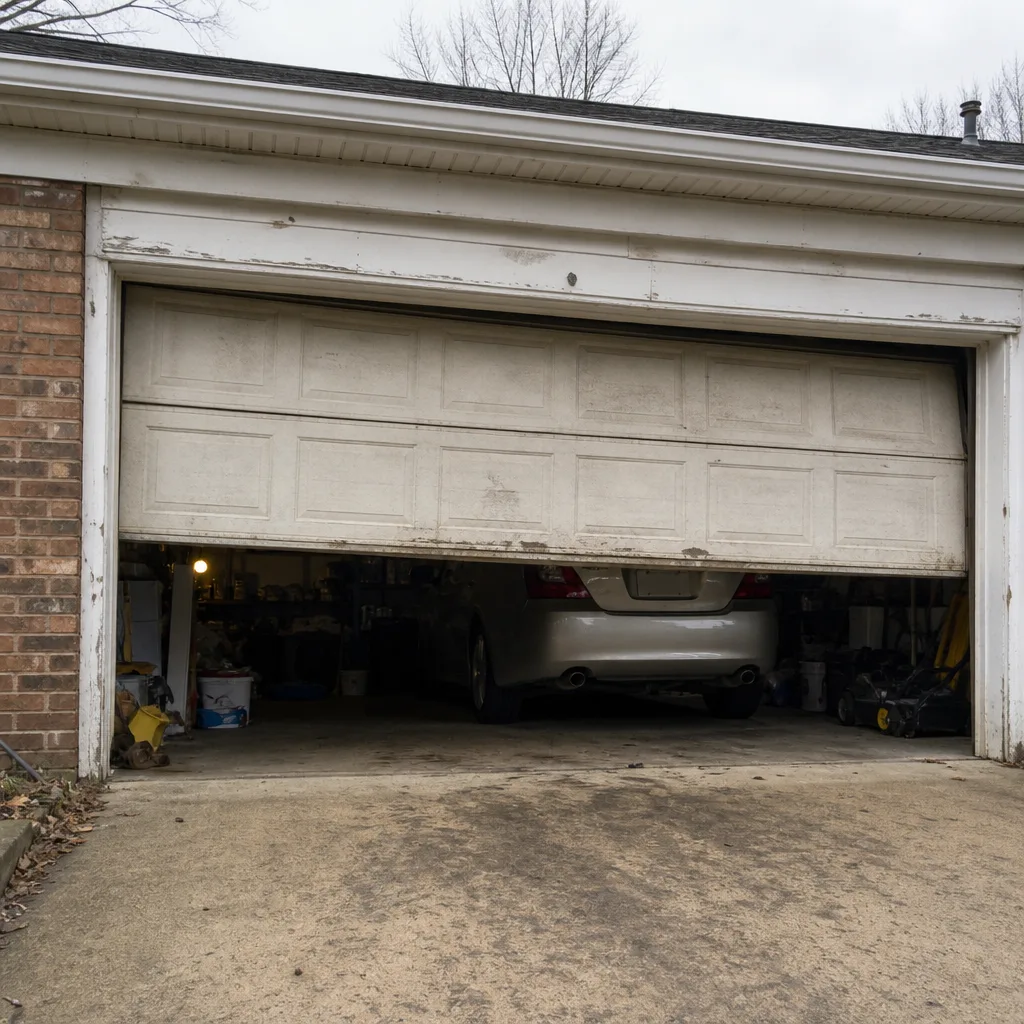 Before
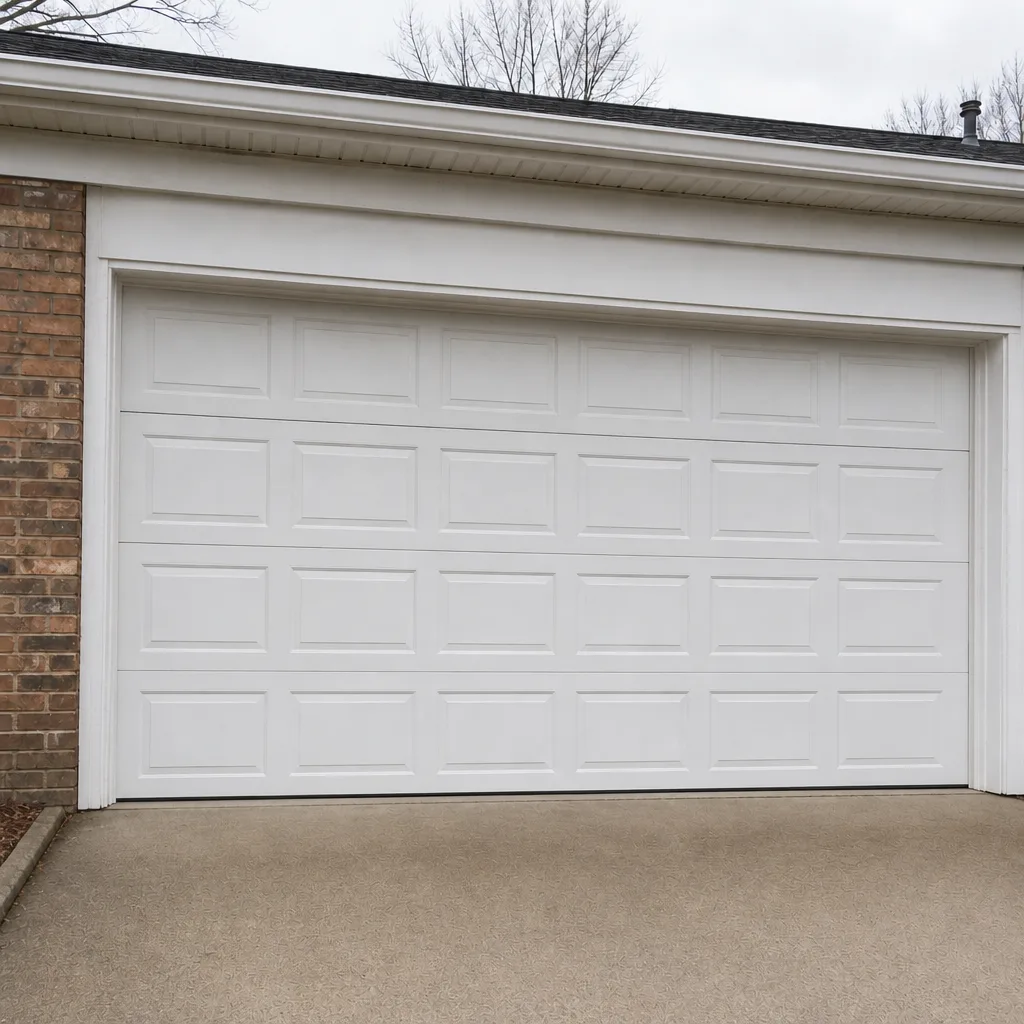 After
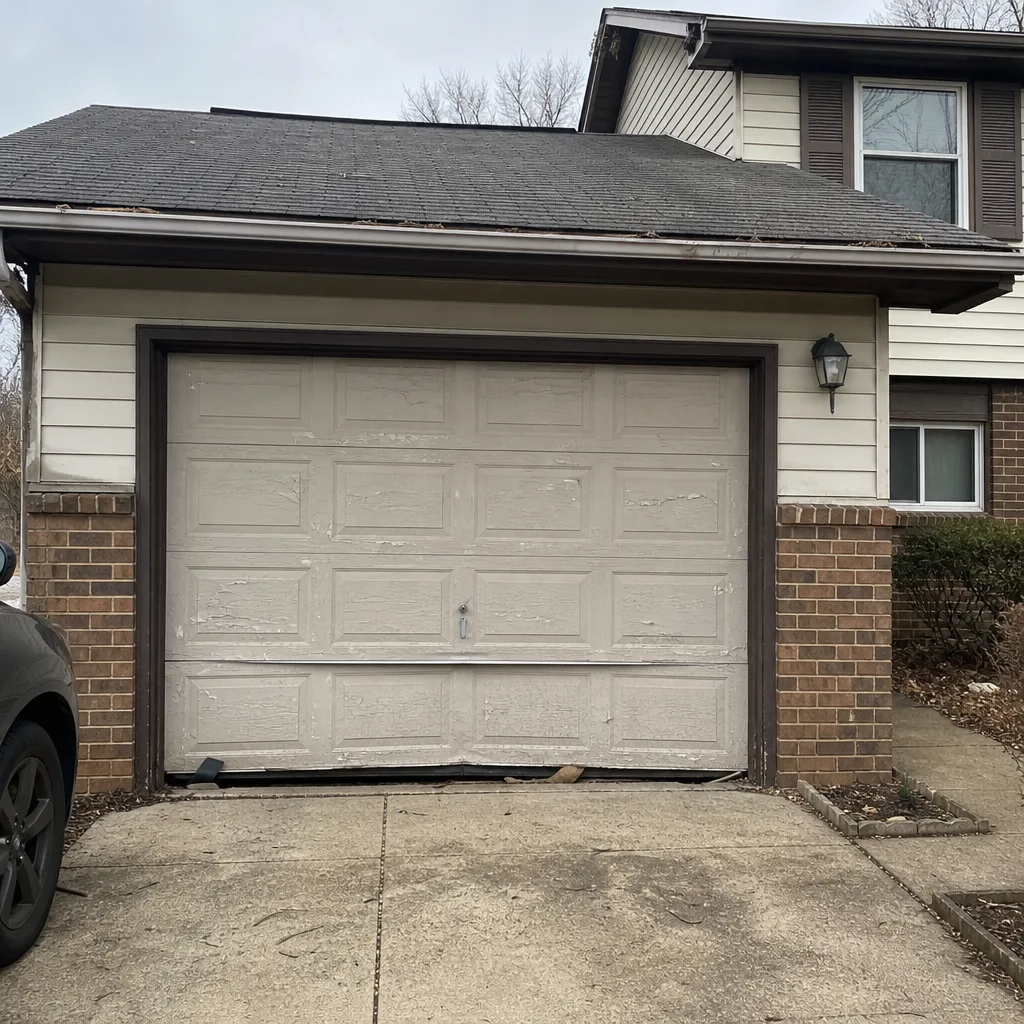 Before
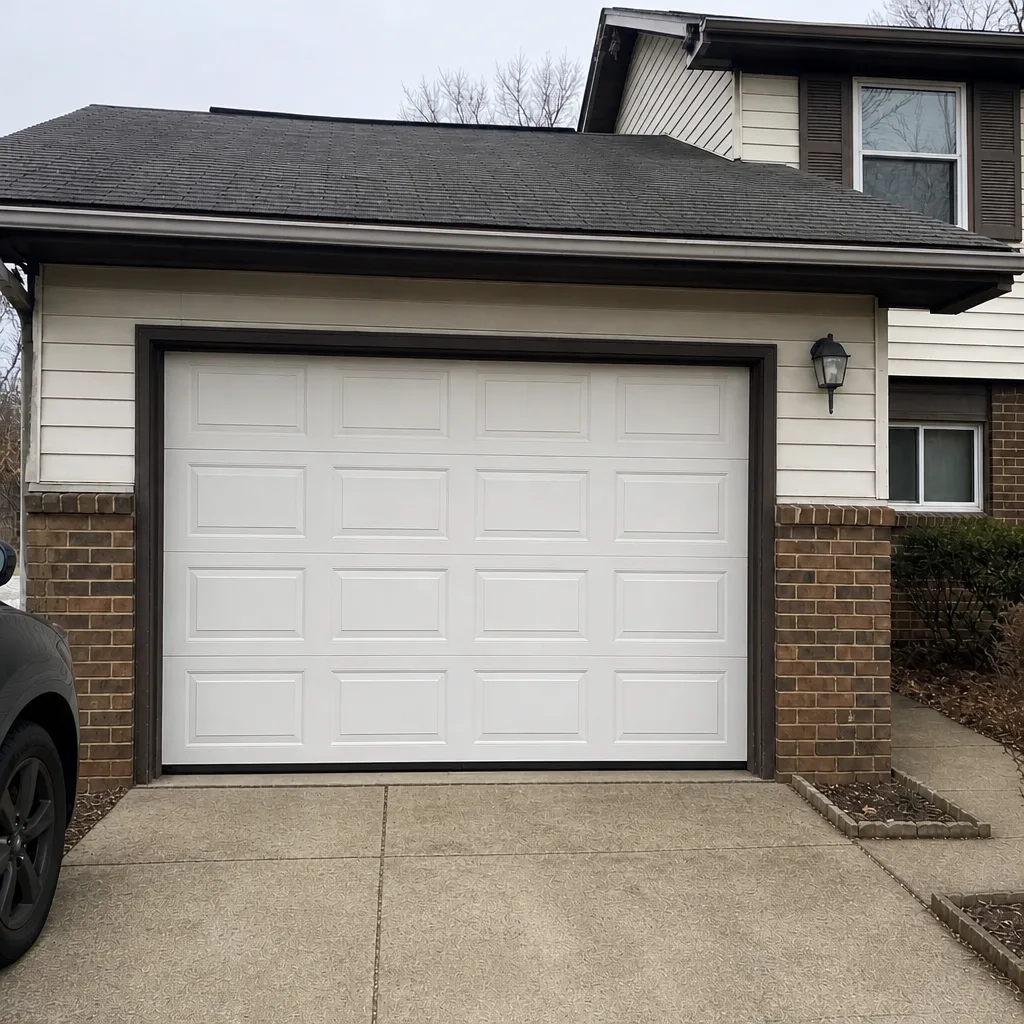 After
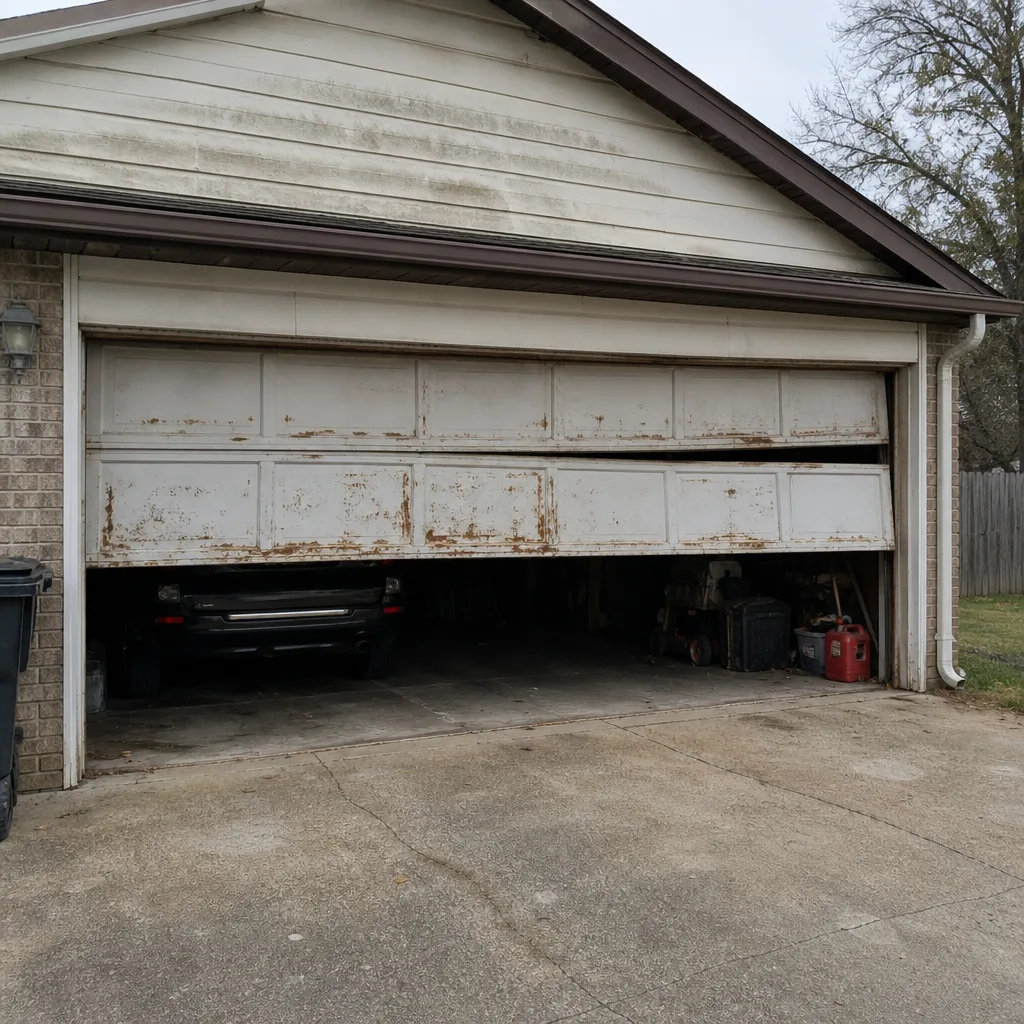 Before
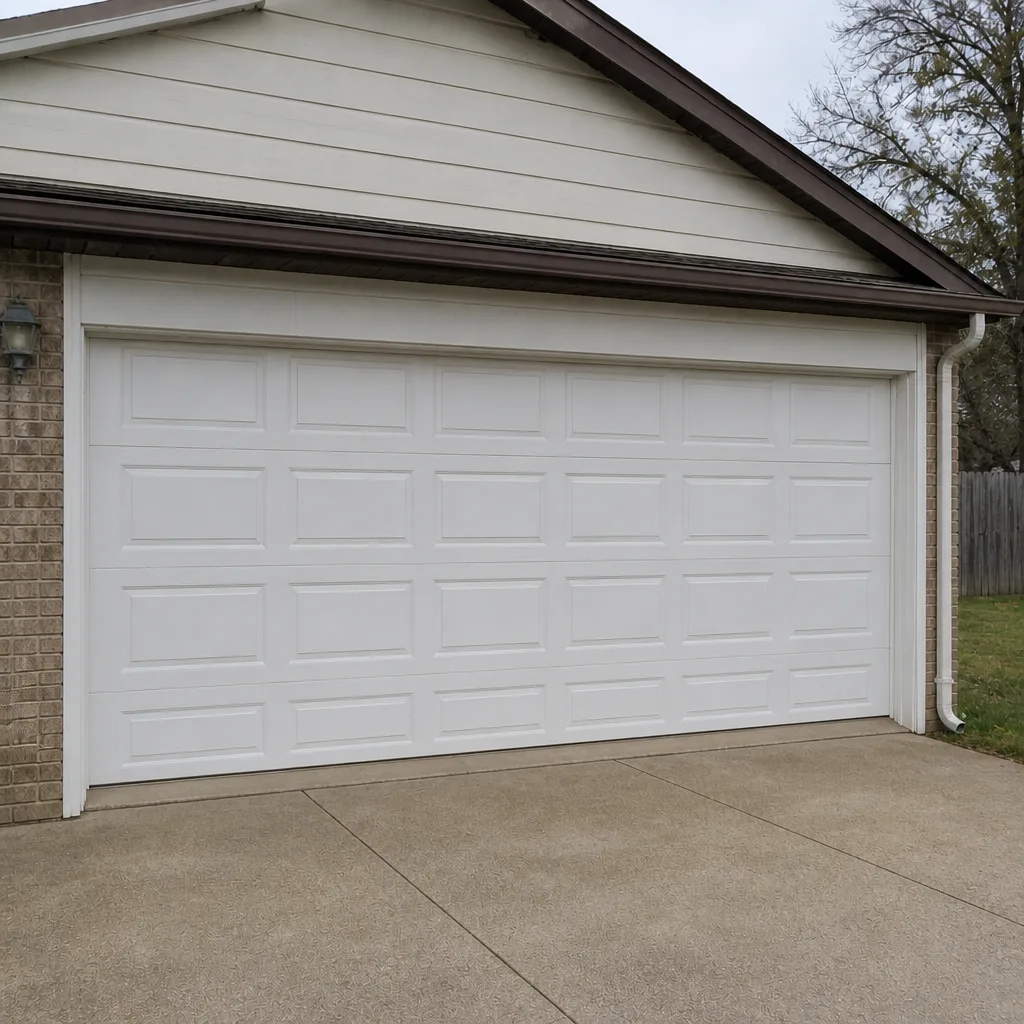 After
When to Call a Professional
Some garage door issues are nuisance repairs; others are urgent. Call a professional if a torsion or extension spring has broken, if the door has come off its track or is hanging crooked, if a cable has snapped, if the opener runs but the door doesn’t move, or if the door closes on a person, pet, or obstacle and doesn’t reverse. Those are genuine safety failures, not just inconvenience, and they belong in the hands of a trained technician. Call for a measured quote before you commit to a new door, too; the brand decision is easier when someone knowledgeable checks parts availability and warranty for your exact model. Dale City Garage Door Repair offers free estimates in Dale City; call (844) 766-2325. We answer 24/7. Fast dispatch from 7am to 7pm, Sunday through Friday.
Frequently Asked Questions
For most Dale City homeowners, Clopay and Amarr are the strongest door choices for local parts support, and LiftMaster or Chamberlain are the safest opener picks for smart-home compatibility. The “best” brand is the one a local technician can source parts for quickly and whose warranty is enforceable, not simply the most advertised name.
Ask which regional distributor stocks the brand’s common components, and how long a standard spring or opener board takes to arrive. Widely installed brands like Clopay, Amarr, LiftMaster, and Chamberlain generally have the deepest local stock, while specialty brands often need longer factory orders. When in doubt, have a technician confirm the specific model’s parts path before you commit.
Brand matters most for warranty enforcement. Several major manufacturers only honor their best warranty terms when the door or opener is installed and registered by a certified dealer, so the installer relationship can matter more than the brand logo. Confirm who covers labor and for how long, in writing, before the sale.
LiftMaster and Chamberlain, both on the myQ platform, have the most mature smart-home compatibility in this market, with broad support across the popular voice assistants. Genie offers model-dependent compatibility with its own platform, and older Craftsman units usually need a bridge device, or a replacement, to join a smart setup. Verify compatibility by model before you buy.
Only when the tier you’re buying matches the rest of the home. A premium insulated door pays off if the garage is a conditioned space; if not, a mid-tier door with a good finish often gives better value. Compare gauge, insulation, and coating at the price you’re actually paying, not the brand’s flagship reputation.
Yes, we service springs and hardware across all eight major brands we cover, including Wayne Dalton, Raynor, and Craftsman, and we’ll confirm the exact model’s parts availability before we promise a timeline. If you’re not sure what brand you have, a photo of the opener label and door panel is enough to start. Call (844) 766-2325 for a free estimate; we answer 24/7.
The Bottom Line
Brand loyalty means nothing if a local technician can’t get the parts. In Dale City, the right brand is the one with local distributor depth, an enforceable warranty, and a finish built for humid summers and hard winters. For most homes, that means Clopay or Amarr on the door and LiftMaster or Chamberlain on the opener, with Raynor, Wayne Dalton, Genie, and Craftsman filling the right niches. Compare by tier and gauge, confirm smart compatibility before you buy, and treat a spring failure as a professional job. Get a free written estimate on the exact brand before you commit, and the decision is easier than a showroom makes it look.
When your door or opener needs a brand-aware diagnosis, call (844) 766-2325 for a free estimate. We answer 24/7. Fast dispatch from 7am to 7pm, Sunday through Friday. The price is quoted and agreed before any work starts, and our technicians have up to 11 years of experience across LiftMaster, Chamberlain, Genie, Clopay, Amarr, Wayne Dalton, Craftsman, and Raynor, so whether you have a Clopay panel or a LiftMaster opener, we’ll tell you which brand path makes sense, repair or replace. For urgent failures, ask about our emergency garage door service when you call.
Written by the team at Dale City Garage Door Repair.