
Last updated November 23, 2026
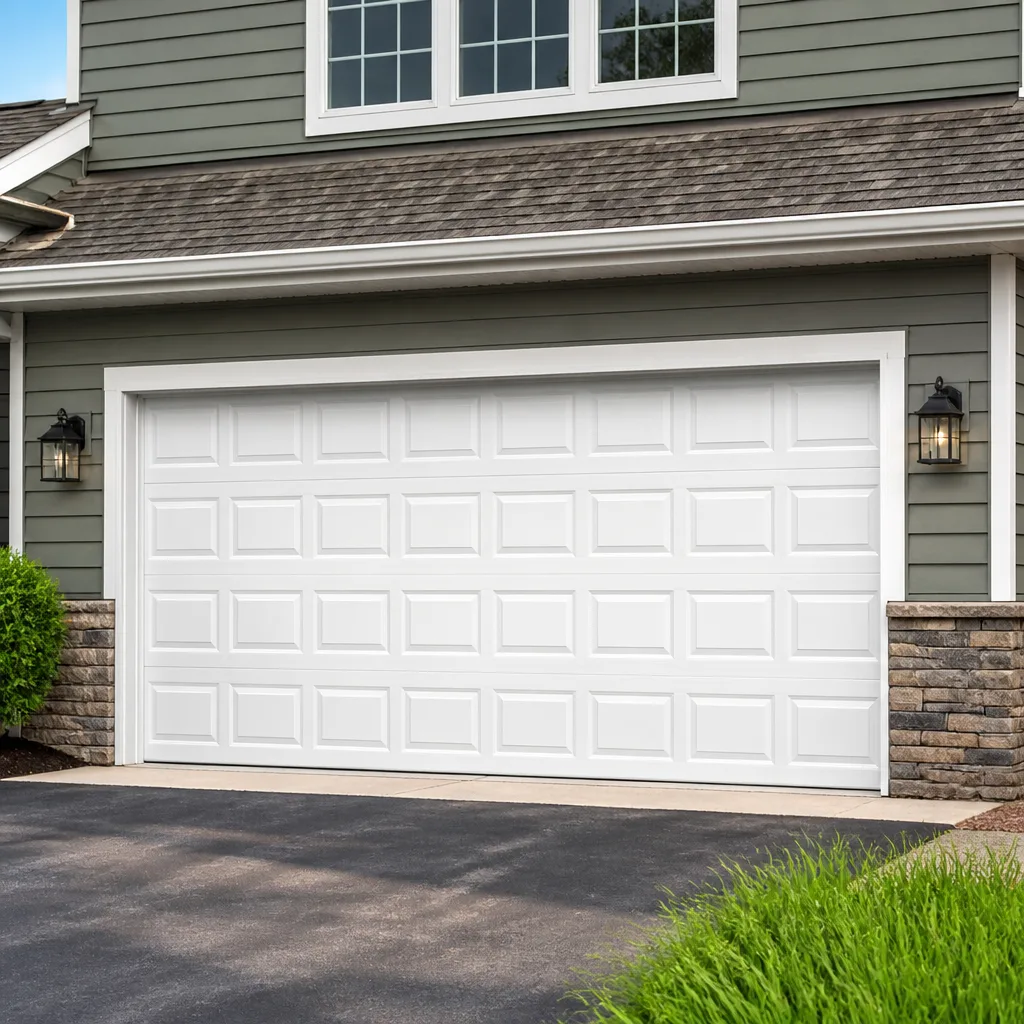 Raised-panel steel
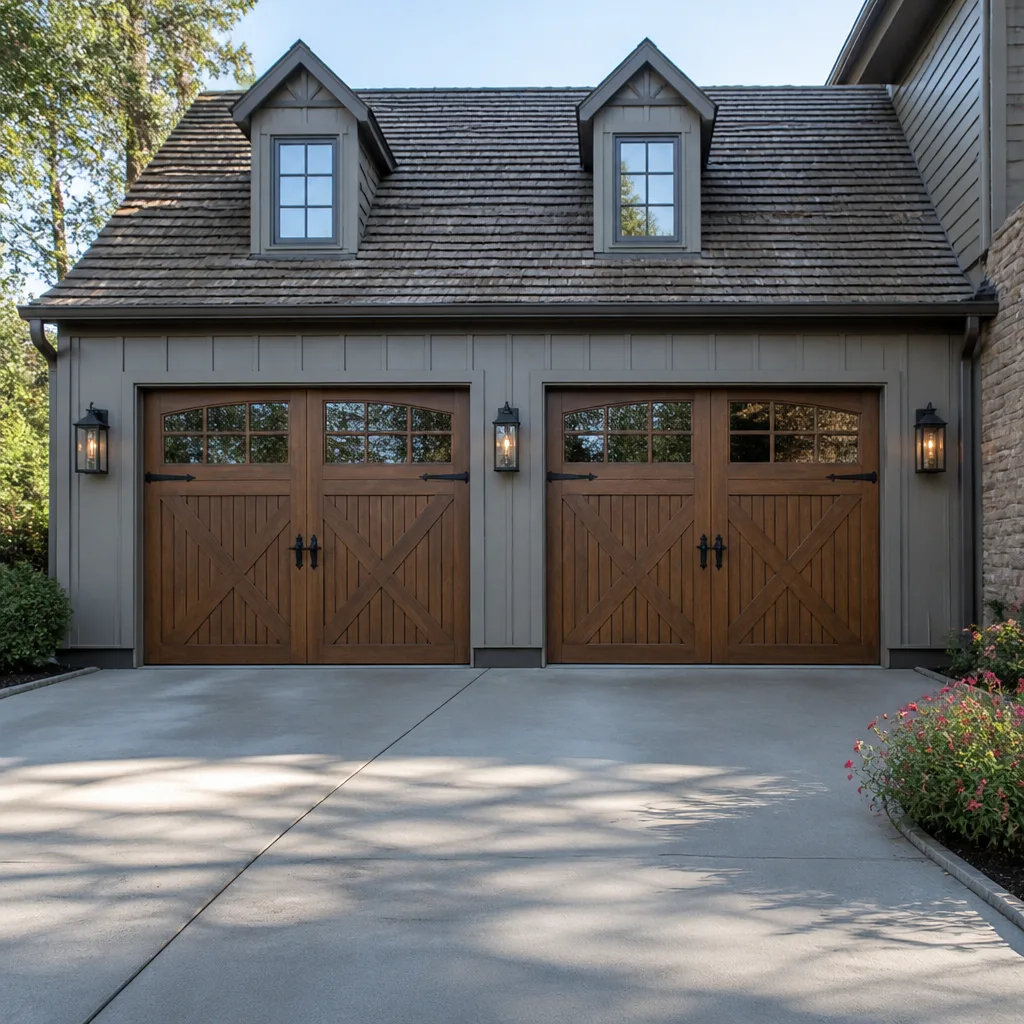 Carriage house
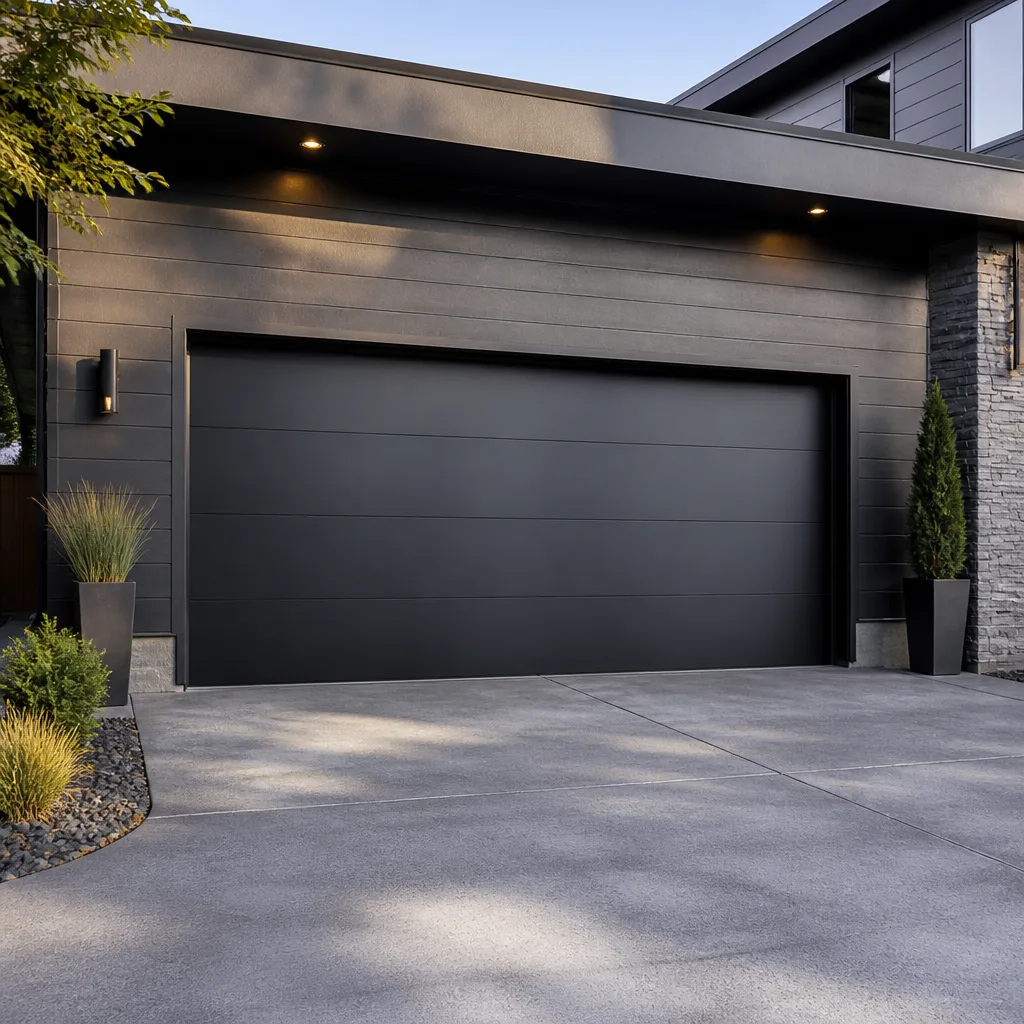 Modern flush
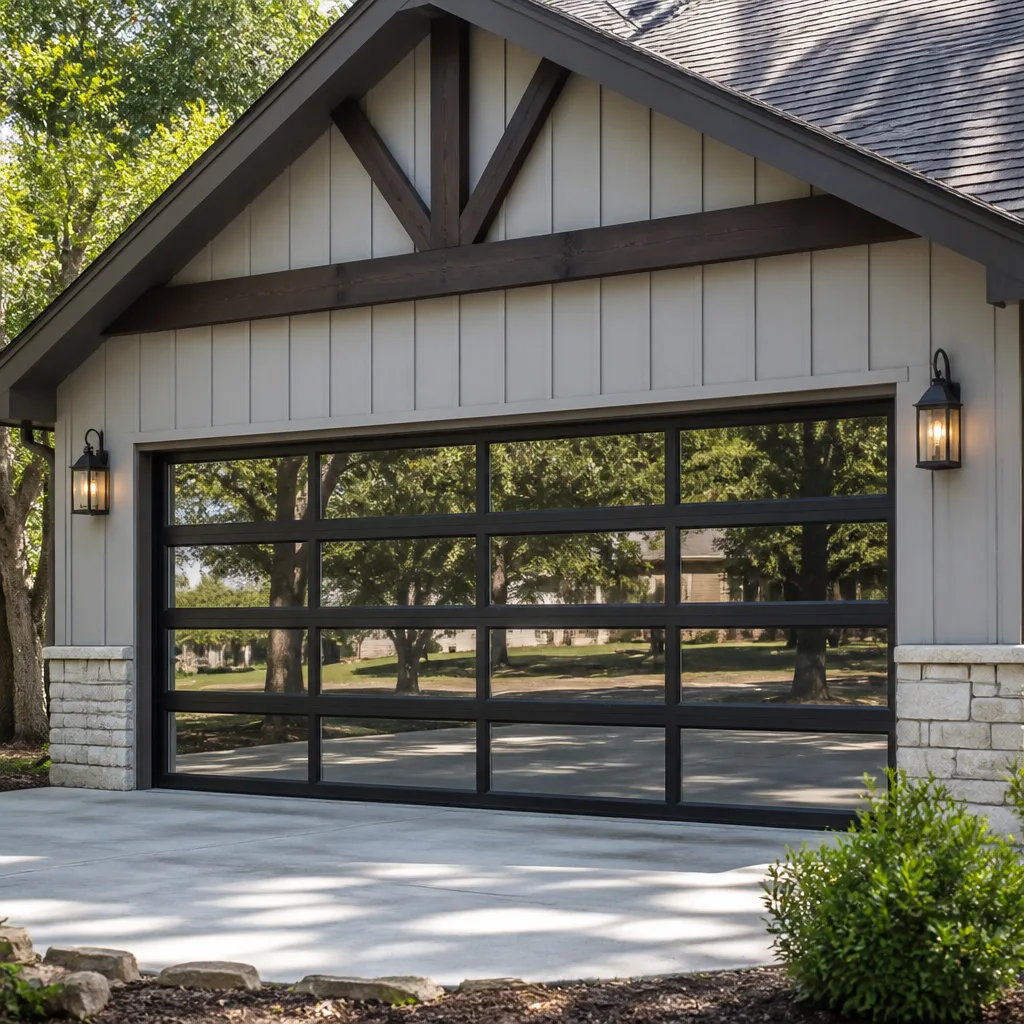 Full-view glass
 LiftMaster openers
 Chamberlain openers
Full 25-point door and opener safety check with every visit - springs, cables, rollers, tracks, and your LiftMaster or Chamberlain opener included
You get a price before we start. It does not change when the pro arrives.
Get your free estimateGarage Door Warning Signs: A Dale City Homeowner’s Reference Guide
Most homeowners describe a failing garage door the same way: “It’s making a noise.” That description hides more than it reveals. A grinding sound on the way up and a grinding sound on the way down can come from two entirely different parts of the same door, and one is a cheap roller while the other points at a torsion spring that’s starting to bind. Describe both as “grinding” and you’ll get quoted for whichever one the listener pictured first. This guide pairs the symptoms you can actually see and hear with the mechanical causes behind them, so when you call a technician you already know roughly what’s wrong. We’ll walk through noise patterns, spring wear you can spot from the floor, speed changes, and the handful of signs that mean the door shouldn’t move at all until someone qualified has looked at it. Everything here is written for the doors and weather we deal with in Dale City, Virginia.
Quick Answer
The key garage door warning signs are unusual noise (grinding, squeaking, popping, or banging), a door that moves slower or jerks on the way down, visible spring gaps or stretch, and any frayed cable or cracked bracket you can see from the floor. Grinding usually points to a roller or track issue; popping and banging usually point to spring or cable trouble. Frayed cables, cracked bottom brackets, and a header bracket pulling away from the wall are stop-use signs: don’t run the door until a trained technician inspects it.
Styles & brands we work with
- Raised-panel steel
- Carriage house
- Modern flush
- Full-view glass
- LiftMaster openers
- Chamberlain openers
Table of Contents
- What Your Garage Door Noise Is Telling You
- Spotting Spring Wear Without Touching Hardware
- Why Your Door Moves Slower or Jerks on the Way Down
- Stop-Use Signs: When Not to Operate the Door
- Urgent but Not an Emergency: Signs That Can Wait a Day
- Opener Symptoms vs. Door Symptoms
- How Dale City Conditions Age a Garage Door
- A Walk-Around Checklist You Can Do Safely
What Your Garage Door Noise Is Telling You
Noise is the first thing a homeowner notices and the last thing most people diagnose correctly. The same word gets used for four or five different failures. Here’s how we sort them.
Grinding is metal-on-metal contact, and where you hear it depends on direction of travel. A grind on the way up often comes from a worn steel roller that’s seized and dragging in the track, or from a hinge that’s lost its lubrication and is scraping. A grind on the way down frequently traces to a torsion spring coil beginning to bind or a cable riding wrong on a drum. Same complaint, two different repair paths.
Squeaking is usually friction, not failure. Dry hinges, dry rollers, and a dry torsion shaft account for most squeaks. It’s the least urgent sound on this list, but it’s also the easiest to ignore until a small friction problem becomes a worn part.
Popping is a spring speaking up. A torsion spring that’s losing tension or has a coil catching can pop as it turns. If you hear a sharp pop and the door suddenly feels much lighter to lift manually, treat that as a broken spring until proven otherwise.
Banging is force where force doesn’t belong. It can be a loose panel, a hinge pulling free of the section, a cable that’s come off its drum and is slapping, or the opener’s travel limits set so the door slams its bottom edge. Banging deserves a look sooner than squeaking.
If you’re hearing any of these on a Genie or LiftMaster opener paired with a heavier panel door, remember the noise might be coming from the door itself rather than the motor. The opener just supplies the force.
Spotting Spring Wear Without Touching Hardware
You don’t need to touch a spring to learn something about it. Stand on the floor, keep your hands off the hardware, and look. This is the safest inspection a homeowner can do, and it tells you a lot.
- Look for a visible gap in a torsion spring. A torsion spring mounted above the door should be one continuous coil. If you can see a clean split or gap in the coil, the spring has broken and the door is likely stuck in one position.
- Check for stretch on extension springs. Extension springs run along the sides of the door. If one looks noticeably longer than the other, or the coils no longer sit tightly together, it’s tired and close to failing.
- Watch for a door that lifts too easily by hand. With the opener disengaged, a balanced door should feel manageable but not feather-light. A door that shoots up almost on its own has lost spring tension.
- Note any rust bloom or white residue on the spring coils. That’s moisture working on the steel. It’s a general wear indicator, not a diagnosis, but it hints at age.
- Look at the drum and cables near the bottom corners. If a cable is sitting unevenly or looks slack, stop there and call.
Here’s the part that matters: do not try to adjust, wind, or replace a spring yourself. Torsion springs store an enormous amount of energy, and a spring under tension can release it in an instant. A broken spring isn’t a weekend project, it’s a trained-professional job. We handle garage door spring repair as one of our core specialties for exactly this reason, and we’ll always tell you whether a spring needs replacing or whether something else is causing the symptom. If you see a gap, a stretch, or a door that won’t hold a position, call us. Our technicians have up to 11 years of experience with torsion and extension systems.
Why Your Door Moves Slower or Jerks on the Way Down
A door that’s slowing down or jerking isn’t just annoying. Speed changes are one of the clearest diagnostic signs you have, and they split neatly into two buckets: spring tension and opener condition.
The door struggles on the way up but drops normally on the way down. That pattern usually points to spring tension. When torsion springs weaken or a cable isn’t carrying load evenly, the opener has to work harder to lift a door the springs should be helping raise. You may notice the opener laboring, the motor sounding strained, or the door arriving at the top with a shudder.
The door pops, jerks, or shudders on descent. That can be a roller binding in the track, a bent track section, or a torsion spring binding mid-turn. It can also be opener travel limits set too far, so the door hits the floor before the motor stops.
The door opens fine but drops fast. On a spring-balanced door, that hints at a spring that’s given up some tension. On a light door, it can be less concerning, but sudden changes in speed warrant a look.
One more thing: if the door stops partway and reverses, that could be a safety sensor issue, an opener logic problem, or an obstruction. That’s a case where garage door opener repair is the right starting point rather than a door repair, and we work across both modern smart-home platforms and older mechanical openers.
Stop-Use Signs: When Not to Operate the Door
Some signs are cosmetic, some are inconvenient, and a few mean the door should stay exactly where it is until a technician has inspected it. These are the ones to take seriously.
- Frayed or kinked cables. A cable with broken strands or a kink is a cable that’s about to fail, and a snapping cable is dangerous. Stop using the door and call.
- Cracked or stressed bottom bracket. The bottom bracket holds the cable to the door under real load. Cracks or stress marks there are a genuine safety concern.
- Header bracket pulling away from the wall. The header bracket above the door carries the torsion assembly. If it’s separating from the framing, the door is unsupported.
- Visible broken spring or door that won’t lift. A door stuck open or stuck closed on a broken spring shouldn’t be forced. If it’s stuck open and your home is exposed, that’s where our emergency garage door service comes in.
- Door sitting off its tracks. A door that’s rolled out of the track can fall if the opener is engaged. Don’t run it.
We know “stop using it” is easy advice to give and hard to live with when the door is your daily entry. That’s why we keep emergency service as a real offering for stuck or unsafe doors, not a marketing label. If your door is stuck or unsafe and you need it addressed today, call (844) 766-2325. We answer 24/7.
Urgent but Not an Emergency: Signs That Can Wait a Day
Not every symptom needs a same-day call. Some are real repairs that can be scheduled without any risk to the door or to you. Here’s how we think about the middle tier.
- Steady squeaking or light grinding on the way up. Likely a roller or hinge that needs service. Worth a prompt repair visit but not a stop-use situation.
- A door that won’t stay half-open. Points to losing spring tension, so it’s worth booking soon, but a balanced lift test from the floor (opener disengaged) confirms how far off it is.
- Opener remote that works intermittently. Often a battery, a sensor alignment, or a logic board. Schedule a repair visit; you can often still open the door by hand.
- A dinging or rattling track. Usually loose lag bolts or a worn roller. Minor, but worsening.
The distinction matters because it keeps you from overpaying for an emergency premium you didn’t need, and keeps you from under-reacting to a real risk. Our job is to tell you honestly which tier you’re in. When you call, we ask what you’re hearing and where you’re hearing it, which is exactly the detail this guide helps you supply.
Opener Symptoms vs. Door Symptoms
Homeowners often blame the opener for a door problem, or the door for an opener problem. Getting this wrong means paying for the wrong repair, so here’s the split.
Signs the opener is the issue: the motor runs but the door doesn’t move (or moves and stops), the wall button works but the remote doesn’t, the door reverses immediately without obstruction, one remote in the house works and another doesn’t, or the opener beeps and flashes. These are logic, sensor, or motor problems and point at garage door opener repair.
Signs the door is the issue: the opener strains but the door moves slowly, the door binds or jerks, the door hangs off its track, or the door slams down. The opener is doing what it’s told; the door is the problem.
If you’re not sure which side you’re on, don’t guess. We work on the dominant smart-home-compatible openers and on older mechanical units alike, and one visit can settle it. Brands make a difference here. A Chamberlain or LiftMaster opener has different sensor and logic behavior than an older Genie or a Craftsman, and knowing the system means the diagnosis is faster.
How Dale City Conditions Age a Garage Door
Garage doors age differently depending on where the house is, and here in Dale City we see local patterns worth knowing. Summer heat and humidity around Dale City work on steel components and wood frames. Cold snaps in winter cause metal to contract and can expose a tired spring or a dry hinge that hasn’t failed yet. The swing between summer and winter in the area stresses springs and cables in ways a milder climate doesn’t.
The neighborhoods themselves add texture. In areas like Lake Ridge and Dale City proper, older homes with original doors often have extension springs and metal tracks that are now decades old, so the failure pattern is different from a newer subdivision where torsion springs and modern openers dominate. If you’re in the Woodbridge or Dale City neighborhoods with newer builds, you’re more likely to be dealing with a smart opener (LiftMaster or Chamberlain) and a lighter panel door, and the diagnosis path runs toward opener logic before it runs toward springs.
We don’t pretend every door fails the same way. On a Wayne Dalton or Amarr door, some components age differently than on a Clopay or a Genie system, and knowing the door’s brand and the neighborhood’s build era helps us walk in prepared.
A Walk-Around Checklist You Can Do Safely
This is the practical part. Ten minutes, no tools, nothing that risks your hands near moving hardware. Do it when the door is closed and the opener is disengaged, then write down what you see and hear.
- Listen on the way up. Note every distinct sound: grind, squeak, pop, bang, scrape. Note where on the door it comes from.
- Listen on the way down. Do the sounds match? If they don’t, that difference is diagnosis gold.
- Look at the spring from the floor. Gap? Stretch? Rust?
- Look at the cables at the bottom corners. Frayed, kinked, or slack?
- Look at the bottom brackets and the header bracket. Cracks, stress marks, brackets pulling away from framing?
- Check the track. Any bends, kinks, or debris caught in the channel?
- Listen for the opener. Does the motor strain, or does it stop and reverse?
When you call us with that list, the technician arrives knowing what to look at. If it turns out the door just needs garage door repair, the fix is usually straightforward and we’ll tell you what it costs before we start.
Common Mistakes to Avoid
- Describing the noise instead of the timing. “It’s grinding” tells us less than “it grinds on the way down and squeaks on the way up.” Note the direction and it narrows the diagnosis to a couple of parts.
- Lubricating everything in sight. A heavy coat of the wrong grease on a torsion spring or a track can attract grit and make a binding worse. If you don’t know the part, leave it to a technician.
- Overriding a stop-use door. Homeowners sometimes force a stuck door “one more time” to get the car out. On a frayed cable or cracked bracket, that’s how a safe repair becomes a serious injury. Don’t run it.
- Replacing the opener when the door is the problem. A new opener on a door with a binding track will still fail. Diagnose the door first, then the opener.
- Buying a spring from a hardware store. Spring sizing is not universal, and winding one is dangerous. This isn’t a hardware-store repair.
- Waiting on a “minor” grind in Dale City winters. Cold makes marginal parts fail faster. Address a grind in fall and it’s a roller swap; address it after it fails in January and it’s a bigger job.
- Assuming all brands behave the same. A Genie opener and a LiftMaster behave differently under the same symptom. Mention the brand when you call.
See the difference
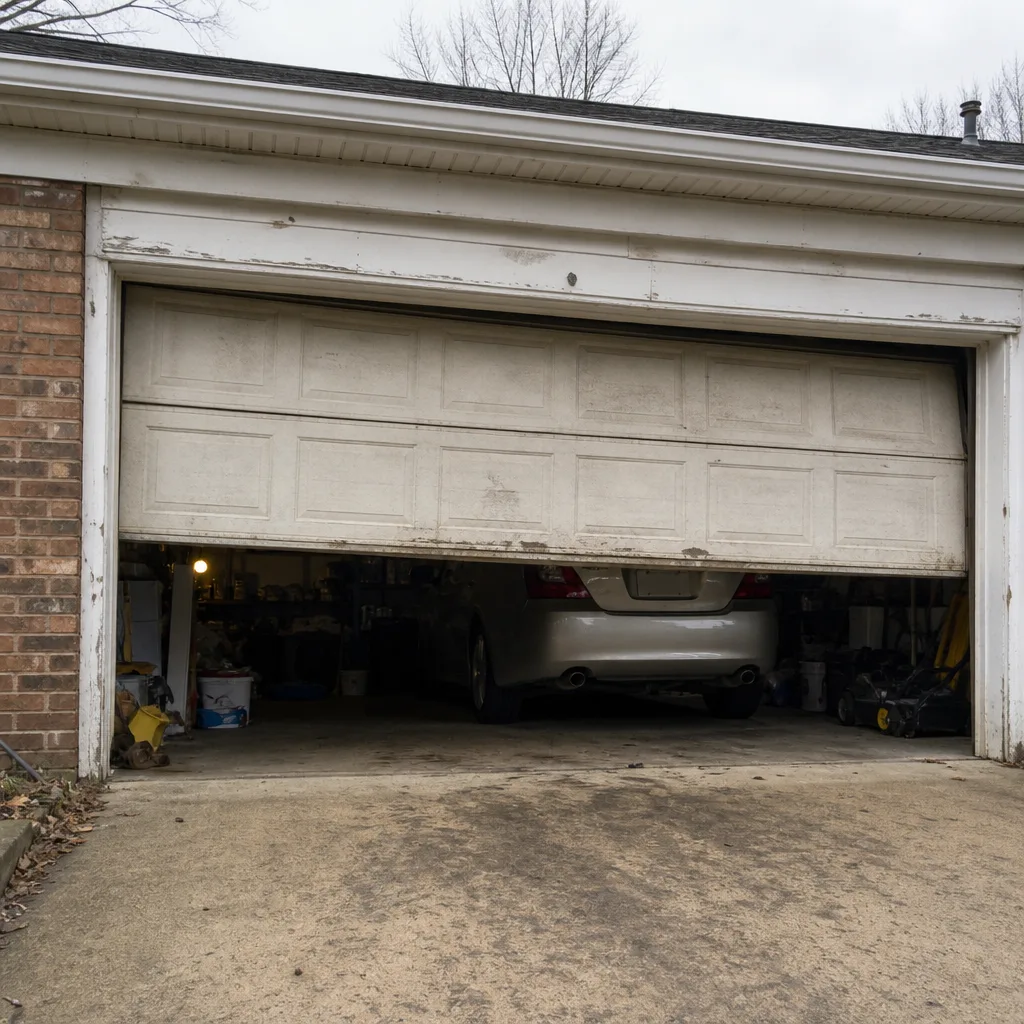 Before
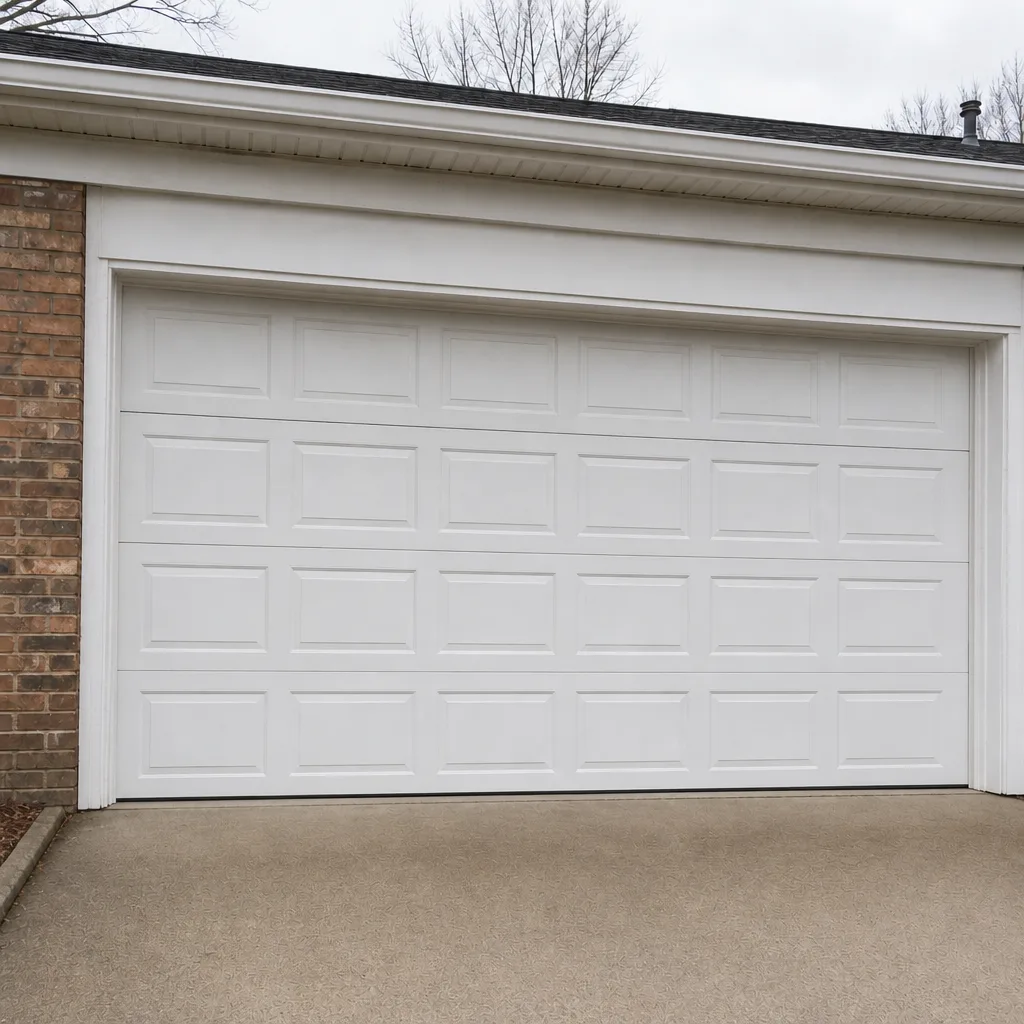 After
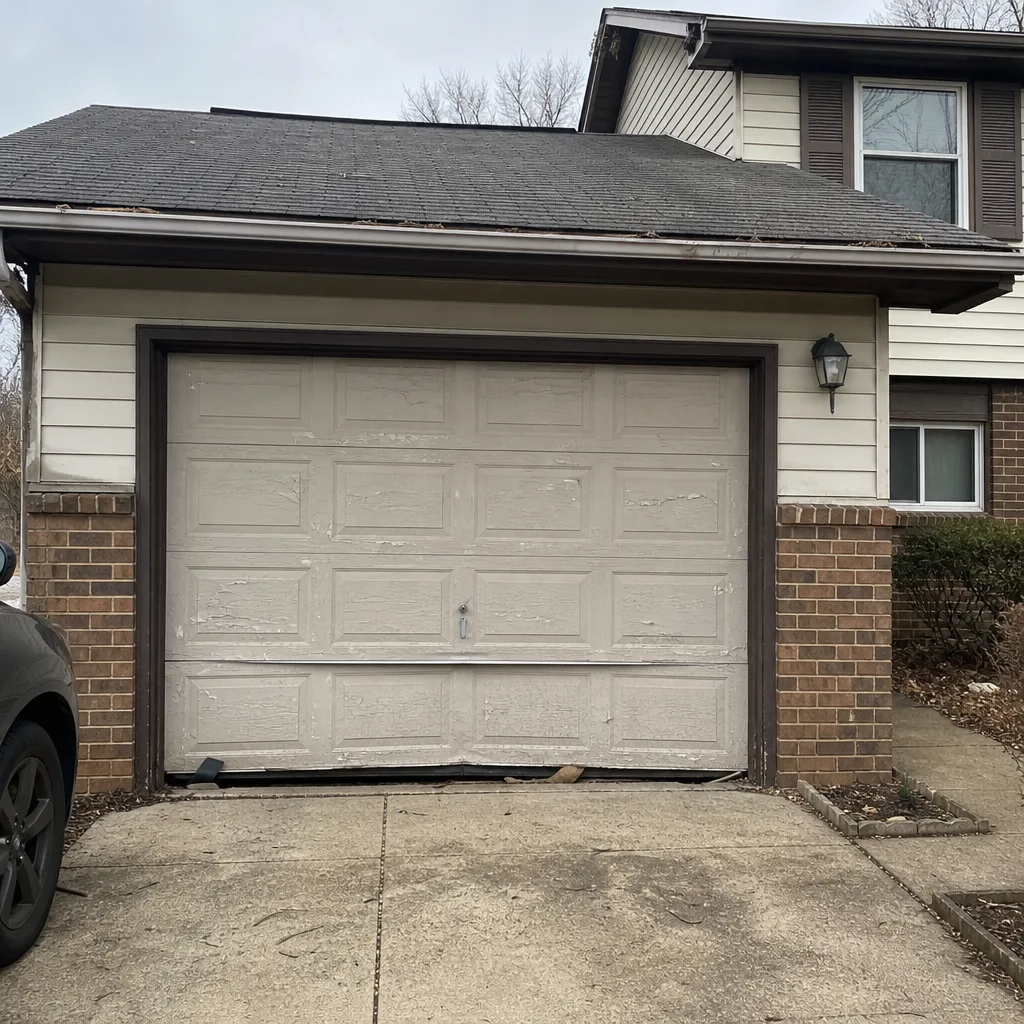 Before
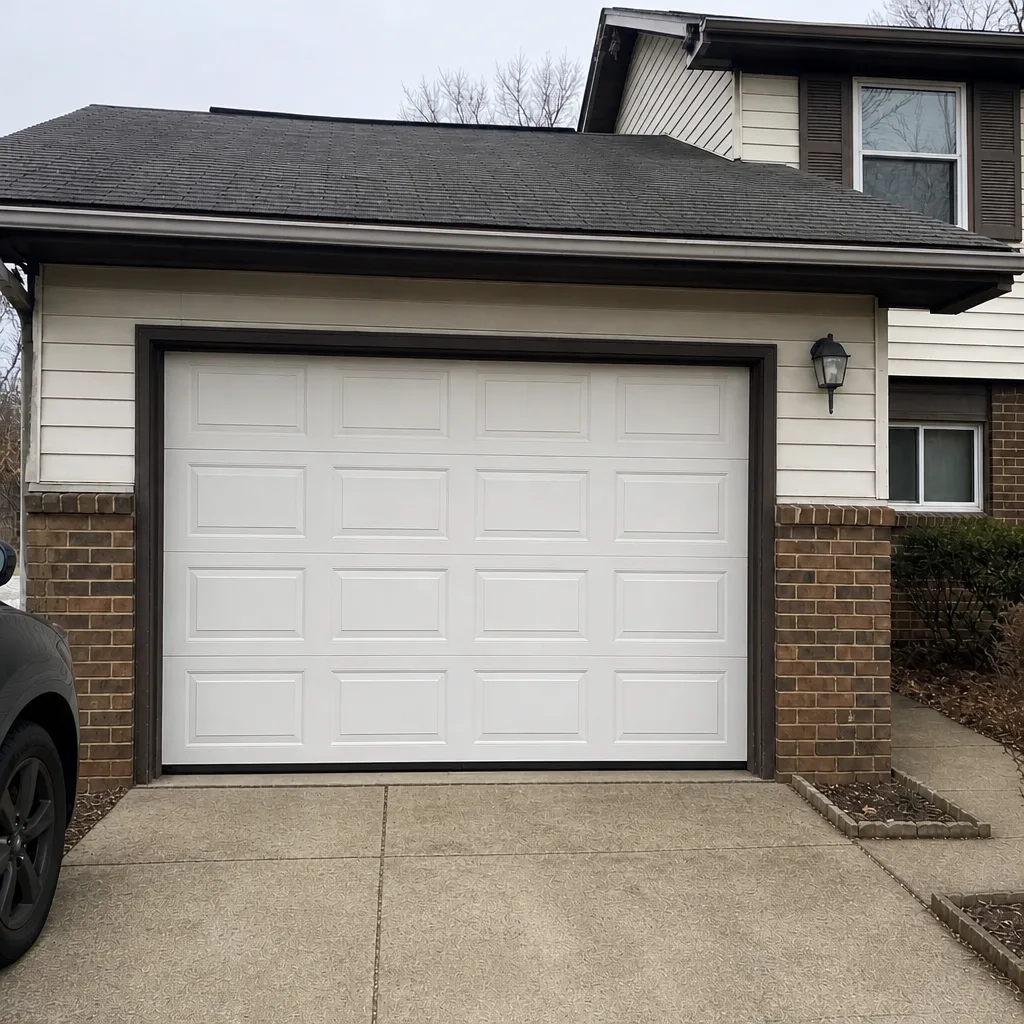 After
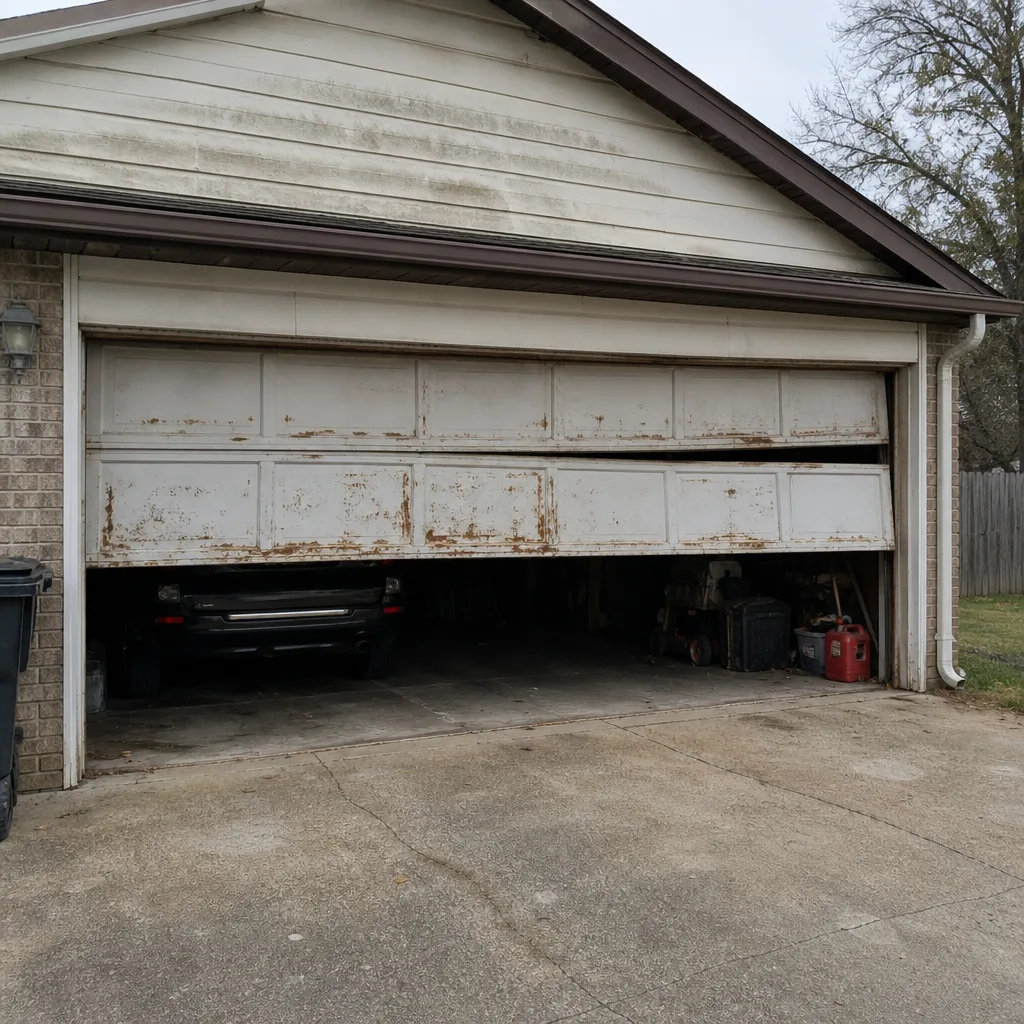 Before
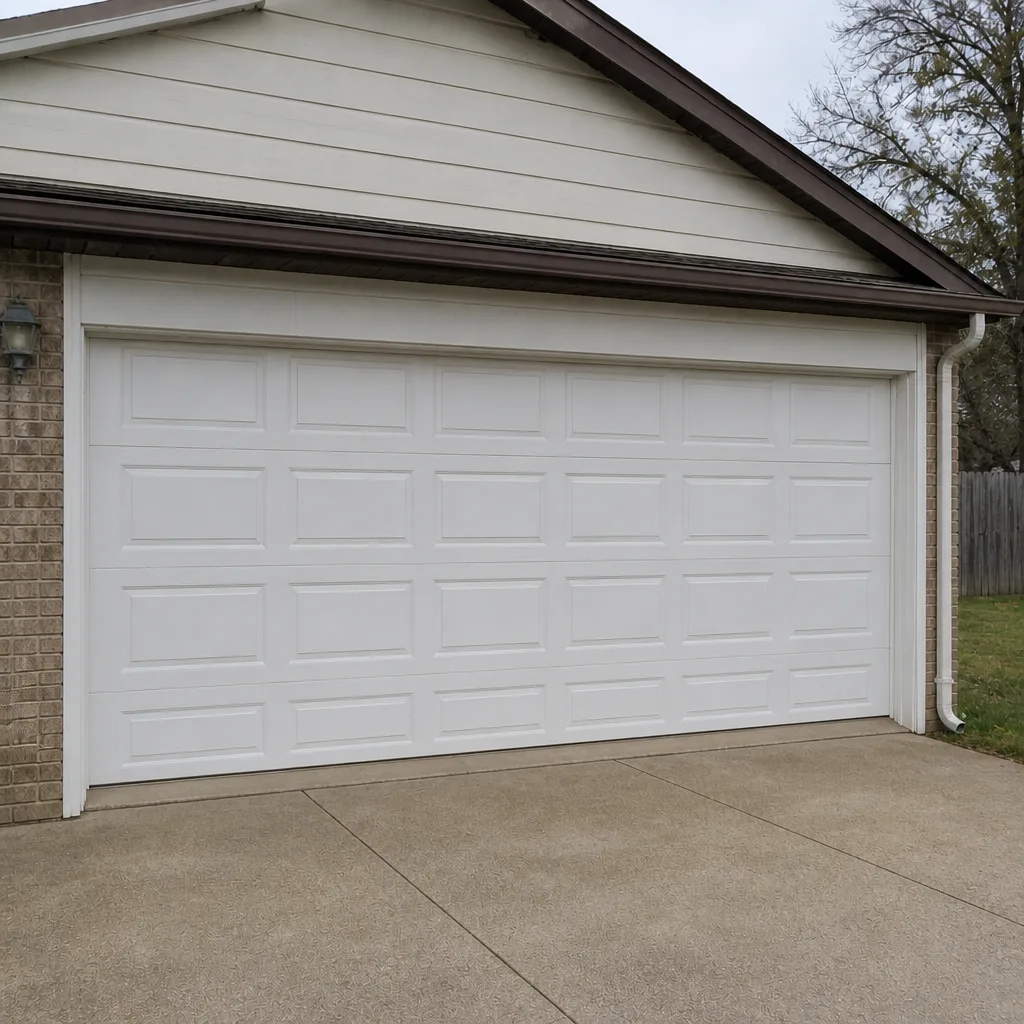 After
When to Call a Professional
Call a professional the moment you see frayed cables, cracked brackets, a header pulling away from the wall, or a spring with a visible gap. Call sooner rather than later if the door slows down, jerks on descent, or stops reversing. Call if the door won’t stay open or won’t close at all. For those, don’t force it, and don’t let a well-meaning neighbor try to wind a spring. Our technicians have up to 11 years of experience with torsion, extension, and smart-opener systems, and we work on the major door and opener brands you’re likely to have. Dale City Garage Door Repair offers free estimates in Dale City, so call (844) 766-2325. We answer 24/7, with fast dispatch from 7am to 7pm, Sunday through Friday. A call outside those hours is booked into the next opening.
Frequently Asked Questions
A broken garage door spring usually makes a sharp, loud bang, like a gunshot, and the door often won’t move afterward or drops suddenly. If you hear that bang and the door suddenly feels very light to lift, stop using it and call. A broken spring is dangerous and store-bought, so keep your hands off the hardware.
Usually not by itself. Grinding on the way up is often a worn roller or hinge, which is urgent but not an emergency. Grinding on the way down can point to a binding torsion spring, which warrants a prompt inspection. If you also see a frayed cable or a door sitting off its track, treat it as a stop-use sign and call now.
Yes, from the floor. Look for a visible gap in a torsion spring, one extension spring noticeably longer than the other, or a door that lifts by hand too easily with the opener disengaged. Those are safe observations. Actual adjustment or replacement is a trained technician’s job.
A sudden slow lift usually points to losing spring tension or a binding roller, with the opener working harder to compensate. It can also be the opener motor itself laboring. Since Dale City’s cold snaps can expose a marginal spring, the timing of a slowdown in winter is worth mentioning when you call.
Repair usually wins when the panels and framing are sound and only components are worn. Replacement makes sense when panels are cracked, the door is severely out of alignment across sections, or you’re changing the door style. We tell you honestly which one your door needs. If it’s a replacement, we install Clopay, Amarr, and Wayne Dalton doors and can quote you on the spot.
Often yes for repair work. Same-day repair is available for most common repairs, and the estimate is free. The price is set per job by the written estimate and agreed before any work starts. Call (844) 766-2325. We answer 24/7, with fast dispatch from 7am to 7pm, Sunday through Friday.
We’re factory-familiar with eight leading brands: LiftMaster, Chamberlain, Genie, Clopay, Amarr, Wayne Dalton, Craftsman, and Raynor. That covers most doors and openers in Dale City homes, from legacy Craftsman and Genie units to current LiftMaster and Chamberlain systems.
We ask what you’re hearing and where you hear it, plus the brand of the door and opener. From there we book a visit with a free estimate and a written price before any work begins. For urgent or unsafe situations, emergency service is available.
The Bottom Line
The warning signs you can see and hear are leads, not verdicts. A grind on the way up is a different repair than a grind on the way down, and a pop is a different problem than a squeak. Note the direction, check the spring from the floor, and treat frayed cables, cracked brackets, and header brackets pulling away from the wall as stop-use signs. When you’re ready, call us with the details and we’ll tell you what’s wrong, what it costs, and whether a repair or replacement actually makes sense. Dale City Garage Door Repair connects you with vetted local professionals who know your brand. Call (844) 766-2325. We answer 24/7, with fast dispatch from 7am to 7pm, Sunday through Friday, closed Saturday.
Written by the team at Dale City Garage Door Repair.