
Last updated November 23, 2026
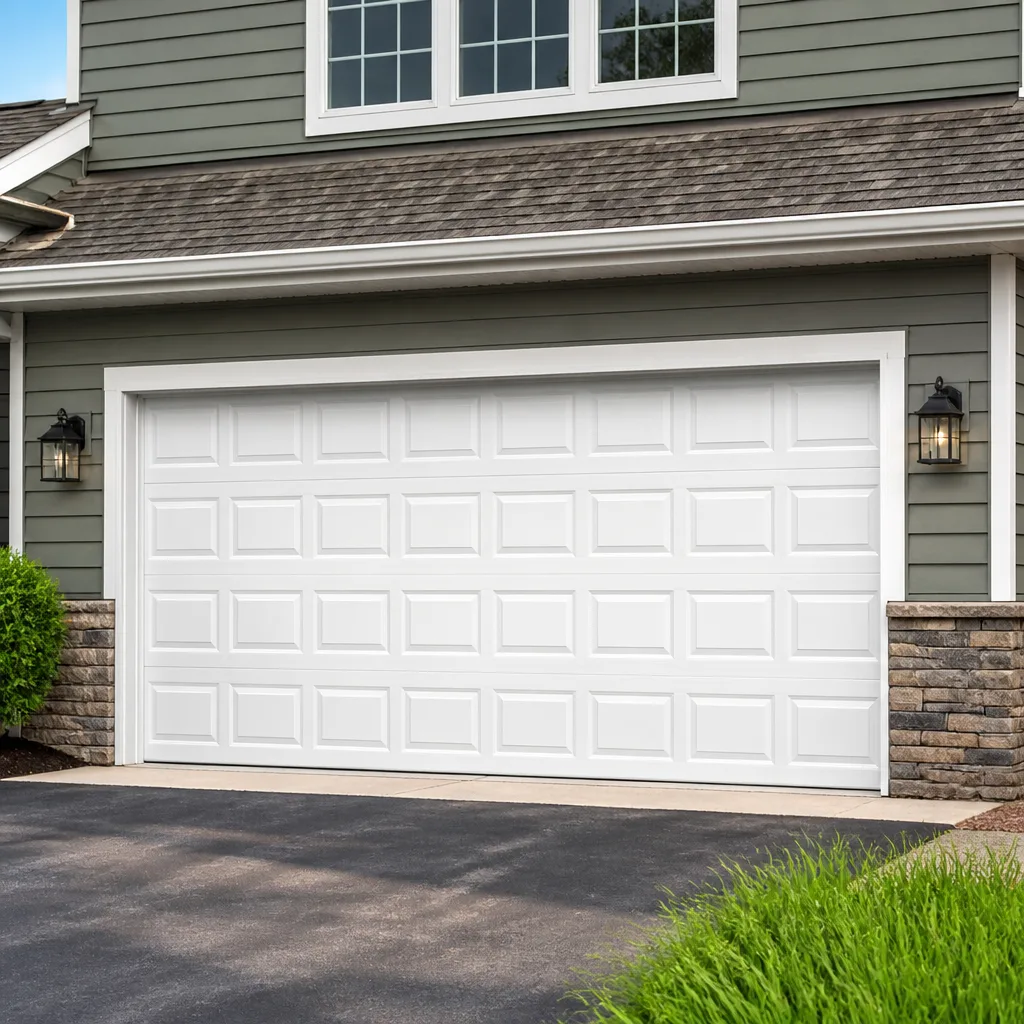 Raised-panel steel
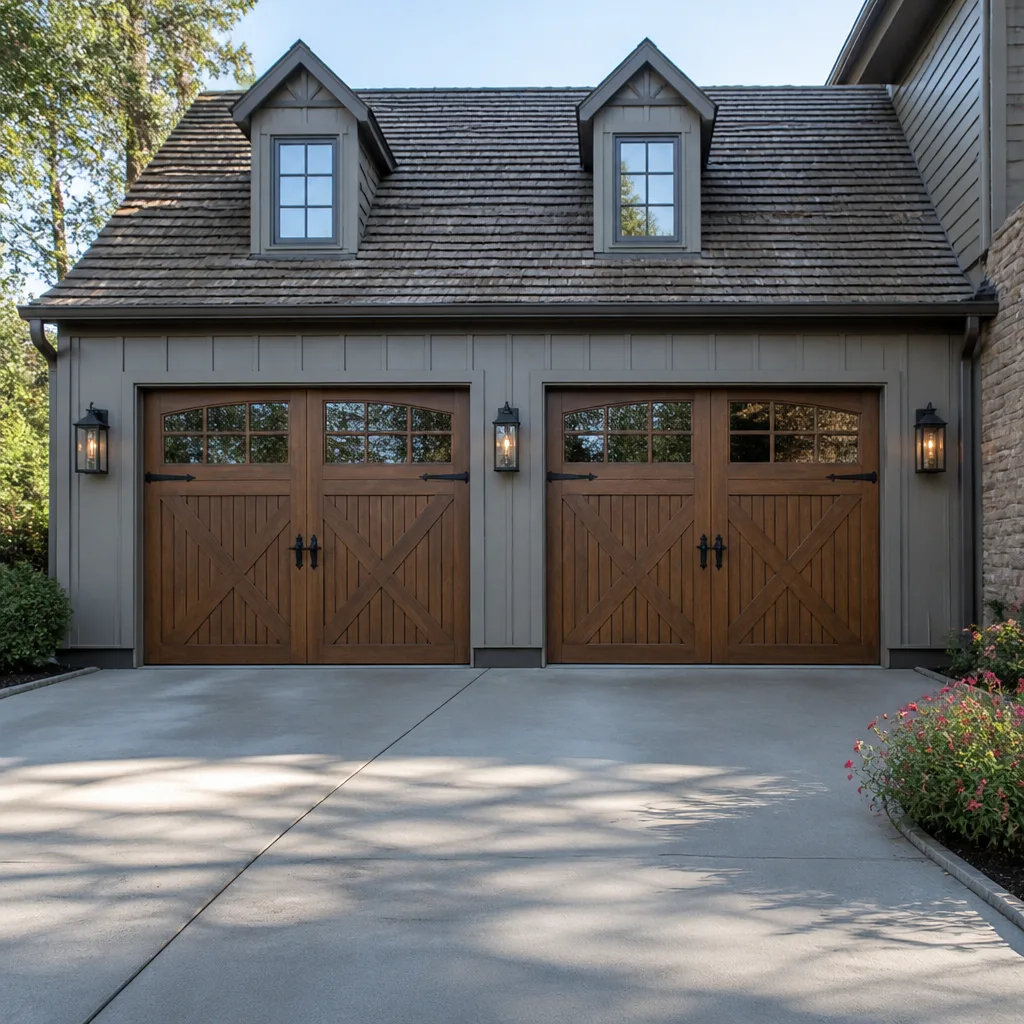 Carriage house
 Modern flush
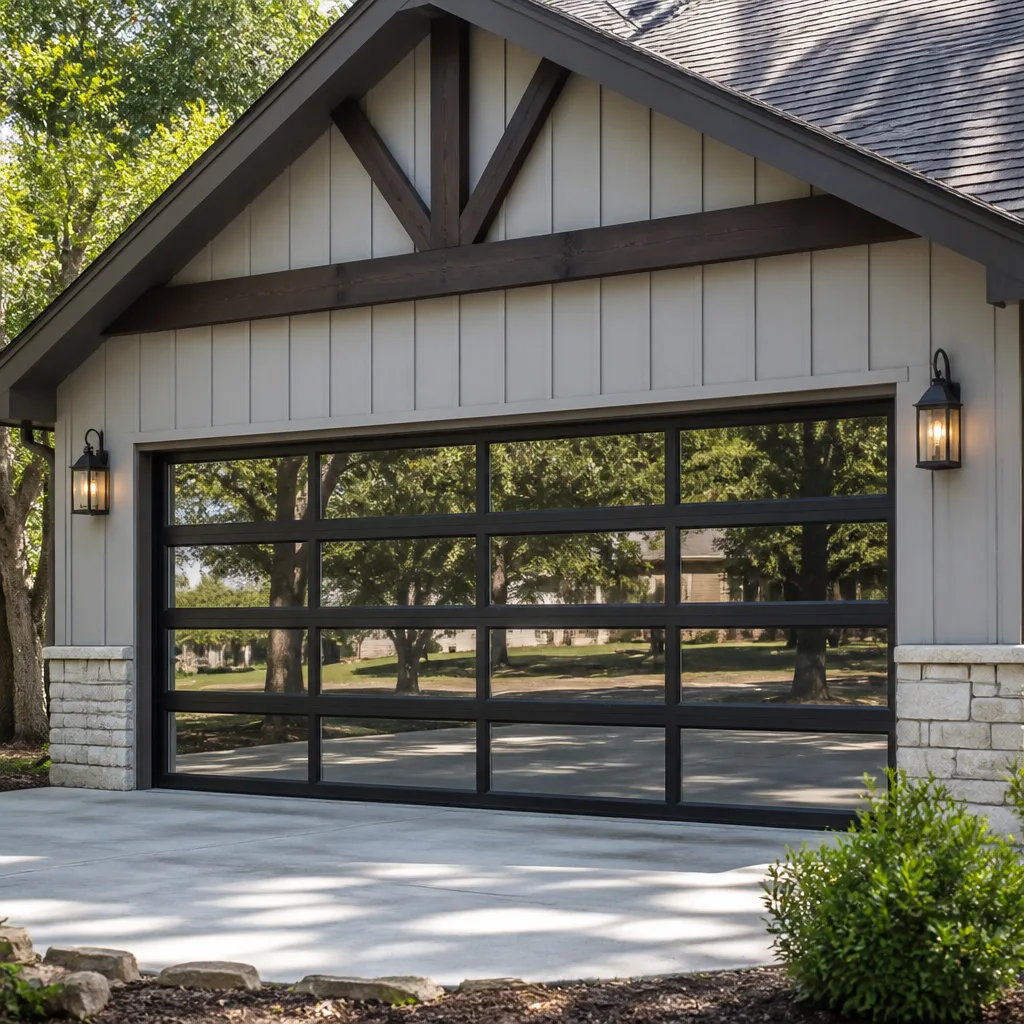 Full-view glass
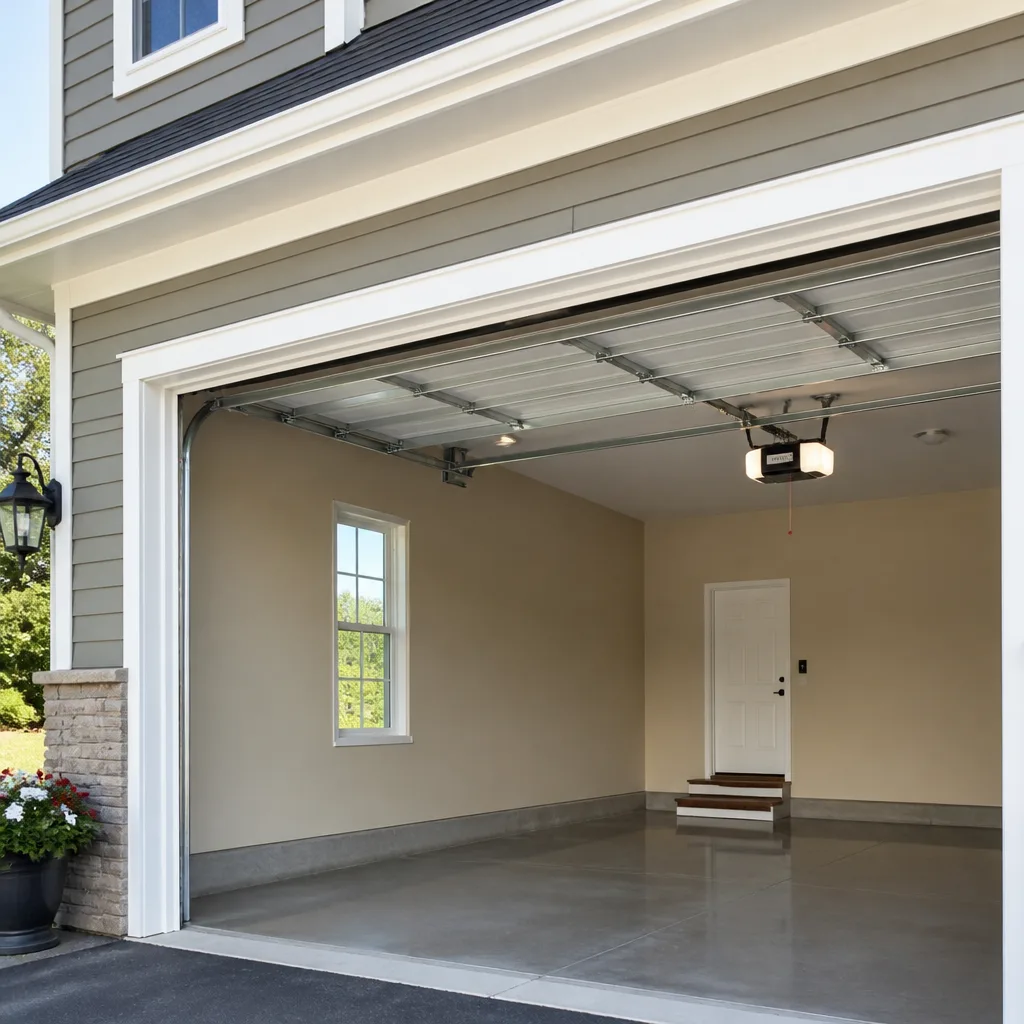 LiftMaster openers
 Chamberlain openers
Full 25-point door and opener safety check with every visit - springs, cables, rollers, tracks, and your LiftMaster or Chamberlain opener included
You get a price before we start. It does not change when the pro arrives.
Get your free estimateDIY vs Professional Garage Door: The Dale City Homeowner’s Decision Guide
Most homeowners frame the garage door question as a skill test: are you handy enough to fix it yourself? That’s the wrong test. The real question is which specific tasks carry injury risk from stored mechanical energy, and which are genuinely safe for a competent homeowner to handle. A torsion spring under tension doesn’t care how many weekend projects you’ve finished. But a stiff roller, a misaligned sensor, or a remote that stopped talking to the opener? Those are yours for the taking. This guide draws the line task by task, so you don’t overpay for simple work or underestimate the repairs that can hurt you. We’ll show you the exact dividing line we use every week across Dale City.
Quick Answer
Safe DIY garage door tasks are lubrication, weatherseal replacement, safety sensor alignment, and remote reprogramming. Everything working with springs, cables, and counterweight tension is off-limits and belongs to a trained technician. Opener installation sits in a gray zone, but doing it wrong can void your manufacturer warranty. If your door won’t move, makes a bang, or hangs crooked, it’s a professional job.
Styles & brands we work with
- Raised-panel steel
- Carriage house
- Modern flush
- Full-view glass
- LiftMaster openers
- Chamberlain openers
Table of Contents
- The Physics That Decides What’s DIY and What’s Not
- The Safe DIY Task List: What a Homeowner Can Handle
- The Off-Limits List: Tasks That Can Injure You Badly
- The Cost-Benefit Math on DIY Attempts
- Tools You Need for Safe DIY Work
- Opener Installation and Your Manufacturer Warranty
- Dale City Considerations From Climate to Neighborhood Housing
- How to Tell Whether Your Door Needs a Pro
The Physics That Decides What’s DIY and What’s Not
Every garage door is a balancing act. The door itself weighs a few hundred pounds on average, and the springs exist for one reason: to counterbalance that weight so a small electric motor can lift it, and so a person can push it up by hand when the opener dies. When a torsion spring is properly wound, it stores roughly 100 foot-pounds of torque. When it releases unexpectedly, that energy goes somewhere, and it doesn’t choose a safe direction. That’s why even experienced general contractors call a door specialist for spring work. Not because they can’t turn a winding bar. Because they know what happens when one slips.
This stored-energy distinction is the whole backbone of the DIY question. Tasks that work with the door as a dead weight, or with the electrical and electronic systems, are manageable. Tasks that work against the springs and cables are not. It’s that clean. We’ve had this conversation hundreds of times across Dale City, and the homeowner who respects that line is the one who never gets hurt and never pays to fix a botched repair.
There’s a second layer to it too. The door is a system: springs, cables, drums, rollers, hinges, tracks, and the opener all work together. Mess with one part in isolation and you can load the others unevenly. A DIY-er who replaces a single worn roller is fine. A DIY-er who “tightens” a track to chase a squeak can bind the door and stress the springs. So the dividing line isn’t just about danger in the moment. It’s about whether a task disturbs the balanced system.
The Safe DIY Task List: What a Homeowner Can Handle
Here’s the short version: if the task doesn’t require you to touch, release, or work around spring tension or cable tension, and it doesn’t require climbing near the moving door with a power tool, it’s probably yours. These are the tasks we tell homeowners to keep for themselves. They save money, they build familiarity with how the door operates, and none of them can hurt you if you follow basic ladder safety.
- Lubrication. A dry door is a noisy door. A white lithium grease or a purpose-made garage door lubricant applied to rollers, hinges, and the torsion spring (a light coat only, never the tracks) quiets the whole system and slows wear. Once or twice a year is plenty.
- Weatherseal replacement. The rubber flap along the bottom of the door, and the seals around the sides, dry out and crack over time. They’re held in by a retaining channel or adhesive strip and slide out with a little pull. This is one of the most common Northern Virginia maintenance tasks and one of the easiest.
- Safety sensor alignment. If your door reverses for no reason or won’t close, the beam between the two small sensors near the floor is probably blocked by cobwebs, dirt, or a bumped bracket. Wipe the lenses, check that both LEDs are solid, and nudge the brackets back into line.
- Remote and keypad reprogramming. New remote, dead battery, or a code that stopped working. Every opener brand has a “learn” button on the motor head and a documented sequence. LiftMaster and Chamberlain use the same learn-button logic; Genie uses a slightly different pairing process.
- Battery replacement in remotes, keypads, and wall consoles. Obvious, but worth saying. A dead coin cell battery accounts for a surprising number of “my opener is broken” calls.
- Visual inspection. Look at the springs for a visible gap (a broken torsion spring splits cleanly in two). Check the cables for fraying. Look at the rollers for flat spots. Look at the door panels for cracks or separation. You don’t fix any of this yourself, but you spot it early.
- Clearing the tracks. Dirt, leaves, and small debris in the track channels can cause a door to bind. A shop vac and a rag are the right tools here. Never force a roller out of a track to clean it.
One boundary worth calling out: if a task on this list starts to feel like it needs tools you don’t own, stop. A homeowner who comes off a ladder because they’re reaching too far is a person who is about to need a doctor, not a garage door tech.
The Off-Limits List: Tasks That Can Injure You Badly
The tasks below are the ones that put people in emergency rooms. Some of them are legally restricted in certain jurisdictions, depending on how a state classifies garage door work, but even where they aren’t, they’re mechanically off-limits because of what happens if they go wrong. These belong to a trained technician, full stop. That includes the dedicated specialists we connect Dale City homeowners with when a spring has failed. We cover this at length on our garage door spring repair page, but the principle is simple: stored energy, high consequence.
- Torsion spring replacement. A torsion spring must be wound with two winding bars to a specific number of turns (based on door height and drum size), locked in place, and then released. If a bar slips or the spring fails mid-wind, the energy releases against your hands, wrists, or face. This is the single most dangerous repair on a garage door.
- Extension spring replacement. Older doors use extension springs that stretch along the track. They should be run through a safety containment cable, and a stretched extension spring can fail with enough force to send parts across the garage. Replacing one involves releasing stored tension under load.
- Cable replacement and cable drum work. Cables carry the door’s weight between the springs and the bottom bracket. They can fray and snap under load. Working on a cable drum means working on a live counterweight system.
- Bottom bracket removal. The bottom bracket is where the cable attaches. Removing it while the springs are live is a way to get hurt. The bracket is under constant tension from the cable.
- Header bracket installation. The header bracket holds the whole door system to the structure of the house. Mounting one means knowing the structural material behind it, the fastener schedule, and the door’s top-of-opening geometry. Getting this wrong can affect the door’s security and safety.
- Track realignment after a cable failure or door derailment. A door that’s come out of its track has live spring tension and bent hardware. It needs to be controlled, not pushed back in by hand.
- Panel replacement on a door with live springs. Swapping a bent or damaged section sounds simple, but the spring system is still loaded. A panel swap is a professional job whenever the springs are engaged.
We aren’t saying this to sell repairs. We’re saying it because spring and cable work is exactly the kind of task that looks easier than it is, and the failure mode isn’t a dented panel. Our garage door repair team handles spring, cable, track, and panel work as a single diagnostic system, which is exactly the perspective a DIY homeowner doesn’t have.
The Cost-Benefit Math on DIY Attempts
Here’s the uncomfortable math most DIY guides don’t do: the savings on a task you can safely do is real and clear, but the cost of a botched repair isn’t just the repair. It’s the correction, the damaged parts, and the time. We see the second category constantly across Dale City. A homeowner who spends a Saturday “fixing” a stiff door and ends up with a bent track, a stripped hinge, and a door that won’t close all the way has spent the day and now needs a repair plus whatever got damaged in the attempt.
So here’s how to think about it in plain terms. The safe tasks on our list are worth doing yourself, and the value is straightforward: you save the cost of a service call and the trade typically charges an hourly or per-job rate for that class of work. The off-limits tasks are worth handing off, because the downside of a bad outcome is measured in injury, not just dollars. And the gray zone in the middle, mostly opener installation and track adjustment, is where a homeowner can genuinely go either way and should be honest about their own comfort and tools.
The cost-benefit math on a common DIY attempt, walking through it:
- Safe task (weatherseal, lubrication, sensor adjustment, remote reprogramming): savings are clean. No correction cost to worry about, because a mistake in any of these is low-consequence and easy to redo.
- Spring replacement attempt: the math doesn’t work. Even if you could source the right spring, the winding procedure is where the danger lives. The cost of doing it wrong is physical, and you can’t put a dollar figure on a hand injury.
- Cable replacement attempt: same logic, different part. Cables are under live tension. The “savings” here is not a savings.
- Opener installation attempt: the math depends on the unit. If the install goes clean, you save labor. If it goes wrong and the unit fails, you may have voided the warranty, and you’re buying a second unit. Run the numbers assuming a bad outcome and see if the savings still justify it.
We quote the price in writing, agreed before any work starts, so at least the professional side of the math is always known. That’s the honest way to decide: compare a guaranteed number against an uncertain one. Our garage door opener repair page walks through what opener work actually involves.
Tools You Need for Safe DIY Work
One of the reasons homeowners get into trouble with “simple” tasks is they improvise. They use a screwdriver as a pry bar. They reach for an adjustable wrench when the fastener needs a socket. They balance on a chair instead of a stepladder. The right tools for the safe DIY list are modest, and if you already have them, you can do those tasks confidently. If you don’t have them, buy them once and keep them in the garage.
- A sturdy stepladder rated for your weight, tall enough that you never stand on the top cap.
- A set of nut drivers and sockets sized for the fasteners on garage doors and openers. A 7/16 and 1/2 are common on roller brackets and hinges; most openers use 5/16 or 3/8. Having the right size prevents rounding the heads.
- Standard and Phillips screwdrivers, plus a small flathead for prying sensor brackets and popping retaining channels.
- A garage door specific lubricant, ideally in a can with a tube, so you can reach the rollers and hinges precisely.
- Work gloves that fit. A cut or a pinch on a door edge is easy to avoid.
- Safety glasses. A light coat of lubricant in the eye is not a story you want to tell.
- A shop vac for the tracks, and a rag for wiping sensor lenses.
- A multimeter if you’re troubleshooting a sensor that won’t signal or checking continuity on a suspect part. Cheap, and it saves you from replacing parts blindly.
What you should not have on a safe DIY task: winding bars, a torch, or any improvised tool used for prying. Winding bars are for spring work, and if you own a set because you’re considering a spring replacement, we’d rather you call us. Our technicians have up to 11 years of experience with this exact risk. Leave that tool drawer closed.
Opener Installation and Your Manufacturer Warranty
Here’s the warranty distinction most homeowners don’t learn until it’s too late: an opener manufacturer’s warranty typically covers defects in the unit, not damage from a bad installation. If a LiftMaster or Chamberlain unit fails in year two because the installer didn’t balance the door, didn’t set the travel limits correctly, or used the wrong rail support, the failure may be traced back to installation, and the warranty may not pay out. That’s the gray zone where DIY opener installation goes wrong in a way that costs money years later.
The other side of it: a properly installed opener that fails on its own in year two is a warranty claim, and doing that install yourself can complicate the claim if the manufacturer wants to know who installed it and how. It’s not that DIY installation automatically voids a warranty; it’s that a bad install is the kind of event where manufacturer support asks hard questions and the answer is unhelpful. So the honest advice is this: if you’re confident with the unit’s specific instructions, you have the right tools for the rail and support assembly, and you’re matching an opener to a door you know is already balanced and in good repair, go ahead. If any of those pieces is uncertain, the potential savings aren’t worth the risk of a dead unit in year two.
Where we help most is the match-up. A Raynor door on a LiftMaster opener is a common combination, and the reason we notice is that if the door isn’t balanced, the opener runs harder. The opener is usually the victim, not the cause. When someone calls us about an opener that keeps failing, we check the door first. The brands we work on regularly (LiftMaster, Chamberlain, Genie, Clopay, Amarr, Wayne Dalton, Craftsman, and Raynor) each have their own quirks with this balance relationship, and knowing those is what a trained tech is for. Whether it’s a Genie opener and a Clopay panel or a LiftMaster and a Wayne Dalton, the diagnosis is the same: door first, opener second.
Dale City Considerations From Climate to Neighborhood Housing
Dale City has housing stock and weather patterns that give garage doors a specific wear profile. Most of the area’s stands of homes are in the mid-to-late 20th century range, which means a lot of doors from the ’80s, ’90s, and 2000s still in regular service. Those doors have seen thousands of open-and-close cycles, and their springs, rollers, and tracks reflect that. A door from 1988 isn’t failing because it’s bad; it’s failing because it’s earned it. Knowing the typical age of what we’re walking into changes how we look at a problem, and it’s why a “simple” repair on an older Dale City door often needs a top-to-bottom check.
The climate does its share. Northern Virginia swings between humid, sticky summers and cold, dry winters, and both extremes stress the system. Summer humidity swells wood jambs and can stiffen hinges and rollers. Winter cold makes metal contract and makes rubber seals brittle, which is why January is the season for cracked bottom seals and stiff weatherstrip. A door that closed fine in October can bind in February because the boards expanded or a seal went hard. That’s not a mystery; it’s the seasons doing what they do, and it’s a reason we recommend the lubrication step at the turn of each season rather than once a year.
The other local factor is the housing pattern. Dale City’s neighborhoods run from modest townhomes to single-family homes with two-car garages, and many of those garages are attached. An attached garage means the door is part of your home’s envelope, so a failing door isn’t just a convenience issue; it’s a security and safety issue. A door that won’t close, or a spring that’s failed and left the door heavy, leaves the house exposed overnight. We answer 24/7 for exactly this reason. A call about a door that won’t close gets a person, and fast dispatch from 7am to 7pm schedules a technician.
If you’re trying to figure out whether your situation is a quick fix or a full replacement, that’s a decision we make honestly. Repair or replace: we’ll tell you which one actually makes sense. On an older Dale City door with a single broken part, repair is usually the right call. On a door with a cracked panel, failing springs, worn rollers, and a struggling opener, the math can shift. The point is you get the diagnosis before you commit to a dollar figure.
How to Tell Whether Your Door Needs a Pro
You don’t need a technician to know if something is seriously wrong. You need to know what to listen for, what to look at, and what to feel. Here’s the checklist we’d give a homeowner over the phone. Run through it, and if any of the answers point you toward a pro, call. If they don’t, use the safe task list and skip the repair bill.
- Look at the springs first. A broken torsion spring shows a clean gap in the coil above the door. A broken extension spring hangs loose or is stretched beyond its normal length. If you see a break, don’t run the door. Springs are a pro job, and a door with a broken spring can drop suddenly if someone tries to force it.
- Listen when the door operates. A rhythmic bang, a grinding metal noise, or a squeal that wasn’t there before is a signal. Grinding usually means rollers, hinges, or a track problem. Banging usually means a loose part or a spring issue.
- Feel the door with the opener disengaged. Pull the release cord and lift the door by hand halfway. It should lift with one hand and stay in place. If it’s heavy, or it drops on its own, the spring balance is off. Stop and call.
- Check that the door closes fully and evenly. A gap at one corner, or a door that reverses for no reason, can be a sensor, or it can be a bent track or a panel out of alignment. Sensor fixing is yours. Bent track and panel issues are not.
- Look at the cables. Fraying near the bottom or top of the cable, or a cable that’s come off its drum, is a call. Do not try to reseat a cable under tension.
- Check the opener’s behavior. If the opener runs but the door doesn’t move, the opener or the release mechanism has a problem. If the opener clicks and doesn’t move, the unit may be faulty or the force limit may have tripped. These are openers, and an opener that’s behaving oddly can be a symptom of a door that’s binding.
If your door fails any of these, call us. If you’re unsure, call us and we’ll walk you through what you’re seeing. A short conversation saves a lot of guessing. And if the door is stuck open or won’t close and you’re worried about your home’s security overnight, that’s exactly the scenario our emergency garage door service exists for. A stuck door is worth treating as urgent.
Common Mistakes to Avoid
We’ve seen every way this goes wrong. Here are the ones that show up most often in Dale City, and how to sidestep each.
- Reaching for a spring because it looks simple. Winding a torsion spring looks mechanical and manageable from a video. It isn’t. The energy stored in that spring is enough to break a wrist without warning, and the procedure requires precise torque, turns, and locking. Leave it, and call.
- Skipping the safety containment cable on extension springs. Older doors with extension springs that run along the track should have a cable through the center. Without it, a failed spring flies across the garage. If your door lacks the containment cable, that’s a fix for a professional, not a homeowner.
- Forcing a stuck door with the opener. Pushing the opener button repeatedly on a door that’s binding can strip the opener gear or bend the track. Stop the door, disengage the opener, and diagnose.
- Oiling the tracks. Lubricant on the track channels collects dust and grit and turns into a sticky mess that makes the door slower, not faster. Lubricate the rollers, hinges, and spring; leave the tracks dry and clean.
- Adjusting the force limit “to fix” a reversing door. The force limit exists to protect people and the door. Raising it to make a stubborn door close is exactly how a door squashes something it shouldn’t. Find the actual cause (sensor, track, spring balance) and fix that.
- Replacing a single roller with a mismatched size. Rollers come in different diameters and stem lengths. Using the wrong size can bind the track or fail quickly. Match the original, or have us match it for you.
- Assuming an older door is “just worn out.” A lot of Dale City doors from the ’80s and ’90s just need new springs, rollers, and a seal. A “worn out” door is often a door with three cheap parts that need replacement. Get a diagnosis before you buy a new door.
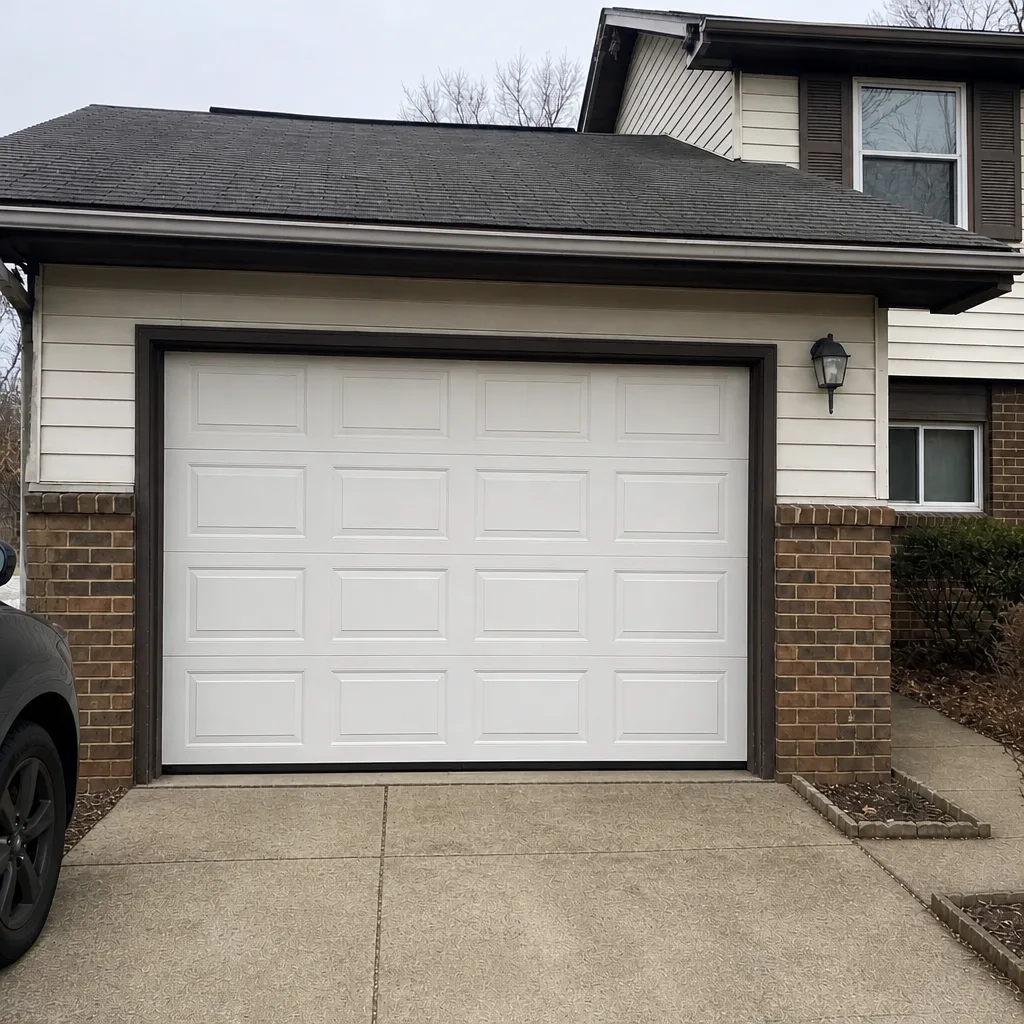
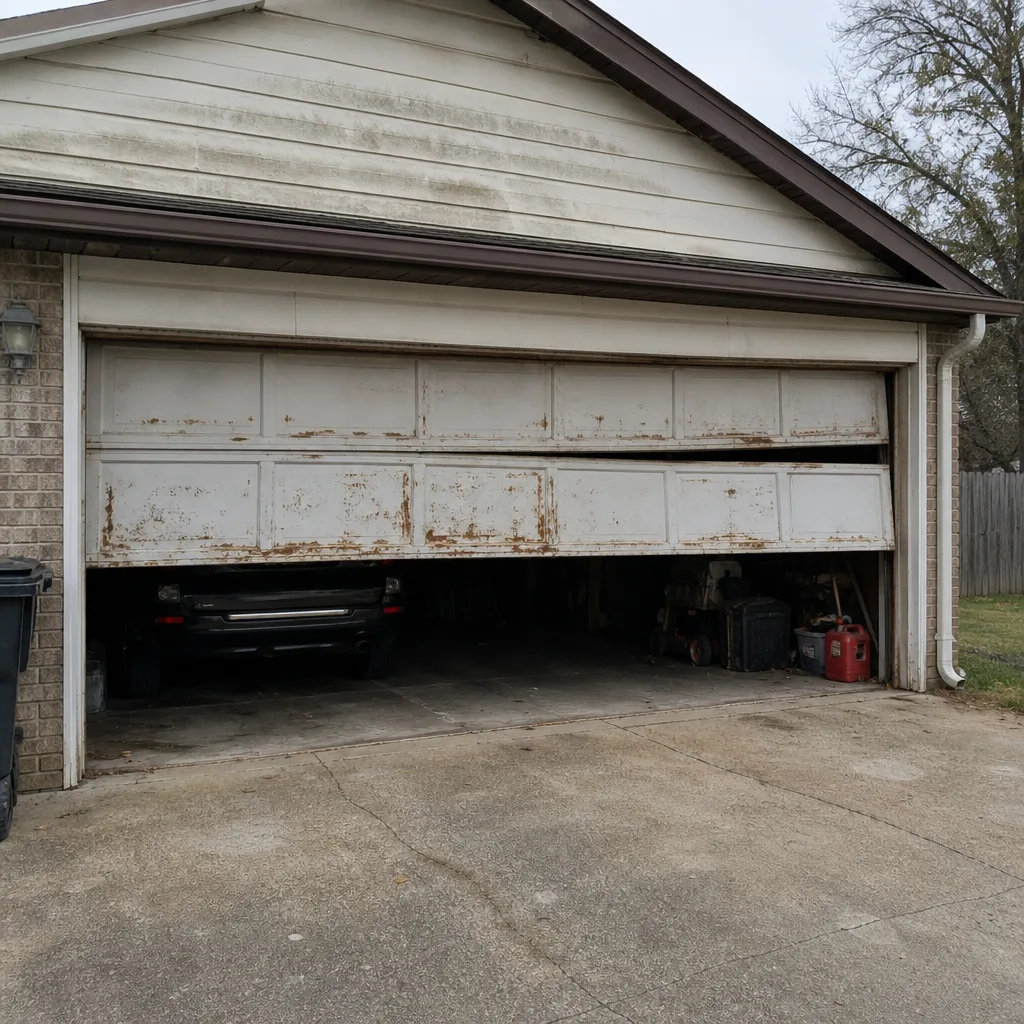
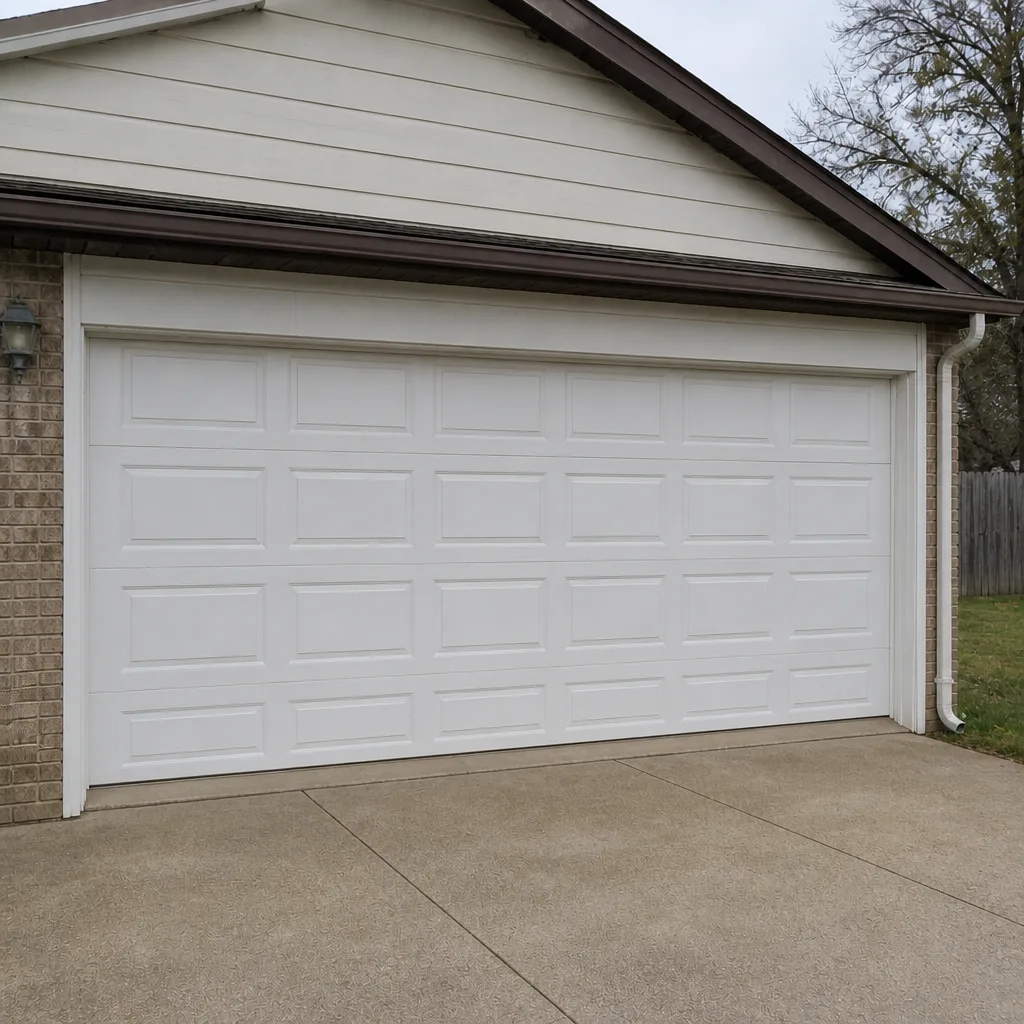
See the difference
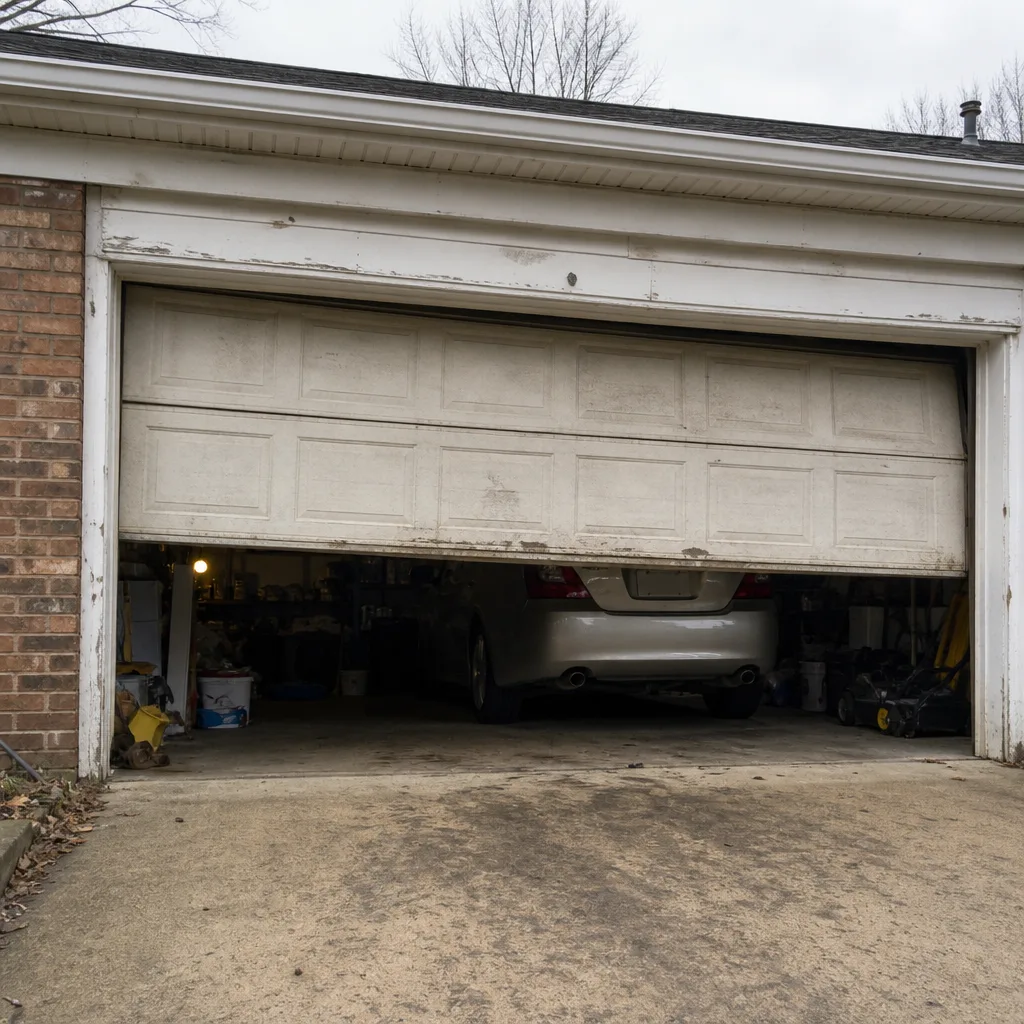 Before
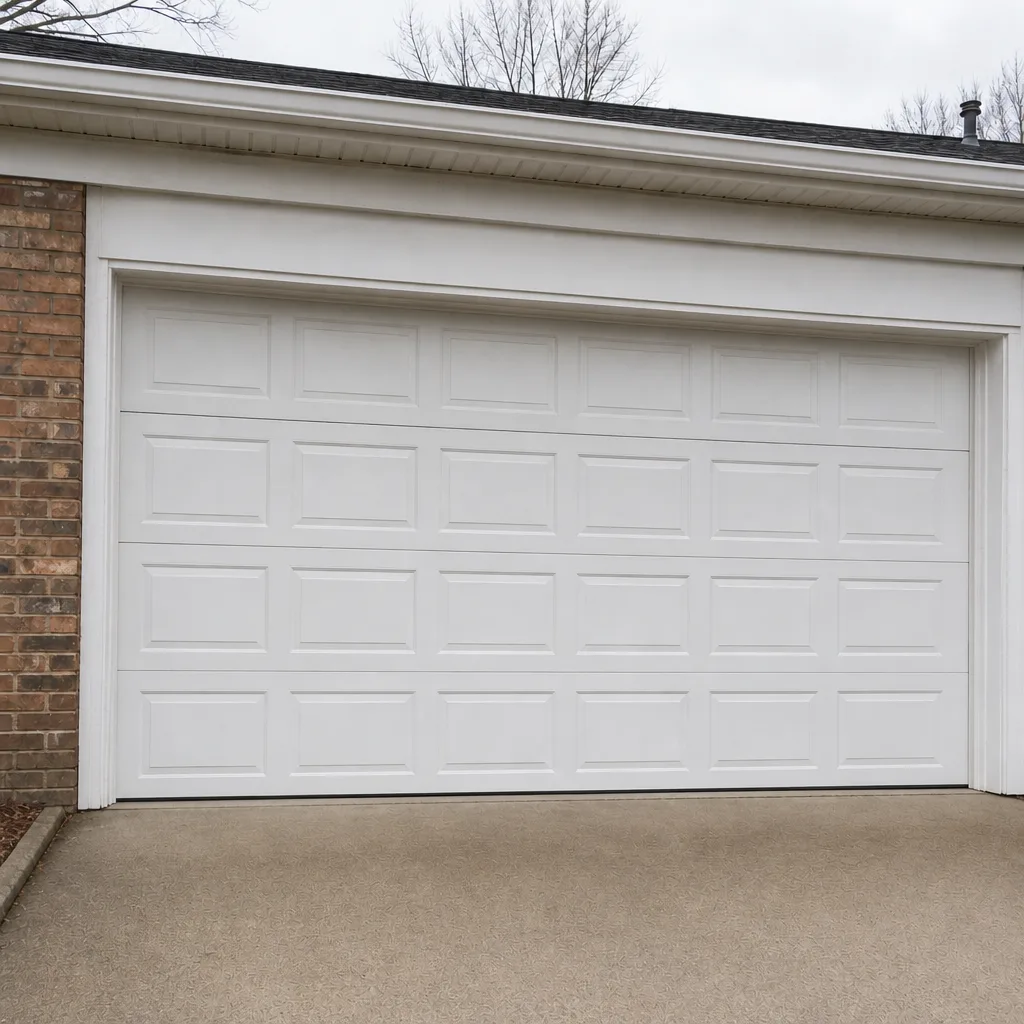 After
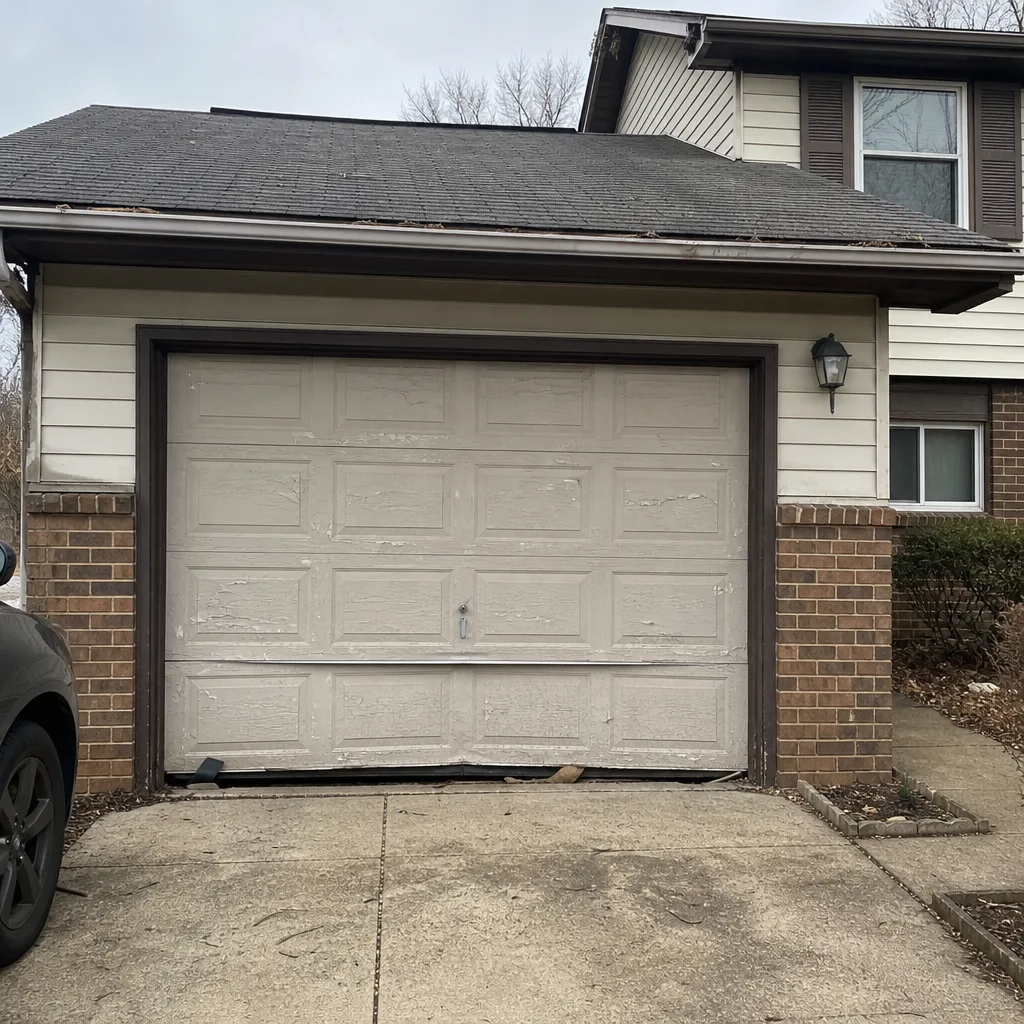 Before
 After
 Before
 After
When to Call a Professional
You should call a professional when the task involves spring tension, cable tension, header bracket work, track realignment, or a door that’s out of its tracks. You should also call when you’re unsure, and when a symptom has a couple of possible causes. The downside of calling is a conversation and an estimate. The downside of not calling is the risk of injury, and the risk of making a repair more expensive by trying and failing first.
Dale City Garage Door Repair offers free estimates in Dale City. Our technicians have up to 11 years of experience, we work on all the major brands, and we cover the whole lifecycle from repair to installation. Whether it’s a LiftMaster opener, a Chamberlain smart unit, a Genie, or a Raynor door, we know the system. Call (844) 766-2325 to book an estimate. If you’re not sure whether the job is a DIY-safe task or a call, that’s the easiest call you’ll make today, and it’s free.
Frequently Asked Questions
No, not safely. A torsion spring stores roughly 100 foot-pounds of torque when wound, and releasing it incorrectly can break bones or cause eye injuries. Spring replacement also requires precise turns and locking, and a mistake can let the door drop. Even experienced general contractors hand spring work to a door tech, and that’s the right call for a homeowner too. If your spring is broken, call (844) 766-2325 and we’ll get you a written quote.
Yes. Lubrication is one of the safest DIY tasks on a garage door. Apply a garage-door-specific lubricant to the rollers, hinges, and the spring, but keep grease off the tracks. Do it twice a year in Northern Virginia because the seasonal humidity and cold swing is hard on the moving parts. If your door is still noisy after a proper lube, that’s worth a diagnostic, and estimates are free.
Not automatically, but it can complicate a claim. Manufacturer warranties cover defects in the unit and typically don’t cover damage from a bad installation, so if the unit fails in year two, the manufacturer may ask about the installation. A poorly matched install or a door that isn’t balanced is exactly the kind of thing that gets a claim denied. If you’re not confident about the install, it’s worth calling. Call (844) 766-2325 for a free estimate.
If the task touches spring tension, cable tension, the header bracket, or a door that’s come out of its tracks, it’s a professional repair. If it’s lubrication, weatherseal, sensor alignment, remote reprogramming, or track cleaning, it’s a safe DIY task. When you’re unsure, look at the spring for a gap, listen for a new noise, and try the door by hand with the opener disengaged. If it’s heavy or drops on its own, stop and call.
We answer 24/7. A call outside dispatch hours is booked into the next opening, Sunday through Friday, 7am to 7pm. If the door won’t close and the house is exposed, treat it as urgent and call. Don’t force the door with the opener, and don’t try to fix a spring or cable at night. Call (844) 766-2325 and we’ll schedule the earliest available dispatch.
We work on LiftMaster, Chamberlain, Genie, Clopay, Amarr, Wayne Dalton, Craftsman, and Raynor. That covers the most common brands in Dale City garages, and it means the technician who arrives knows the specific system rather than only generic door mechanics. If you’re not sure what you have, tell us the model when you call and we’ll confirm. Call (844) 766-2325 for a free estimate.
The Bottom Line
The DIY versus professional question for a garage door is really a question about stored energy. The safe DIY tasks (lubrication, weatherseal, sensor alignment, remote and keypad programming, cleaning, and visual inspection) are yours, and doing them saves real money. The off-limits tasks (spring replacement, cable work, header bracket installation, track realignment after a failure) are professional work, because the failure mode isn’t a dented panel. Opener installation is the gray zone, and the deciding factor there is your comfort with the specific unit and its warranty. When in doubt, get a diagnosis. Dale City Garage Door Repair offers free estimates in Dale City, and we’ll tell you honestly whether repair or replacement makes sense. Call (844) 766-2325. We answer 24/7. Fast dispatch from 7am to 7pm, Sunday through Friday. The price is quoted in writing and agreed before any work starts.
Written by the team at Dale City Garage Door Repair.