
Last updated November 23, 2026
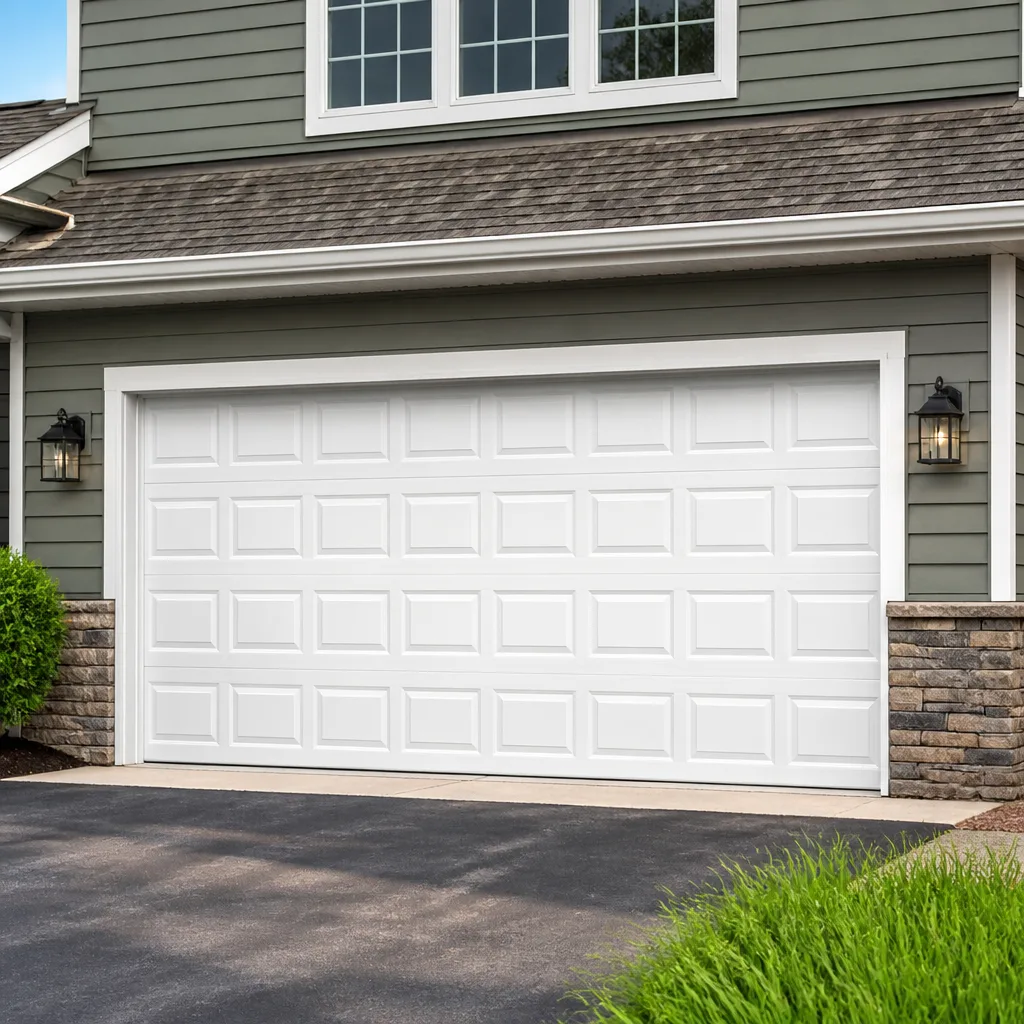 Raised-panel steel
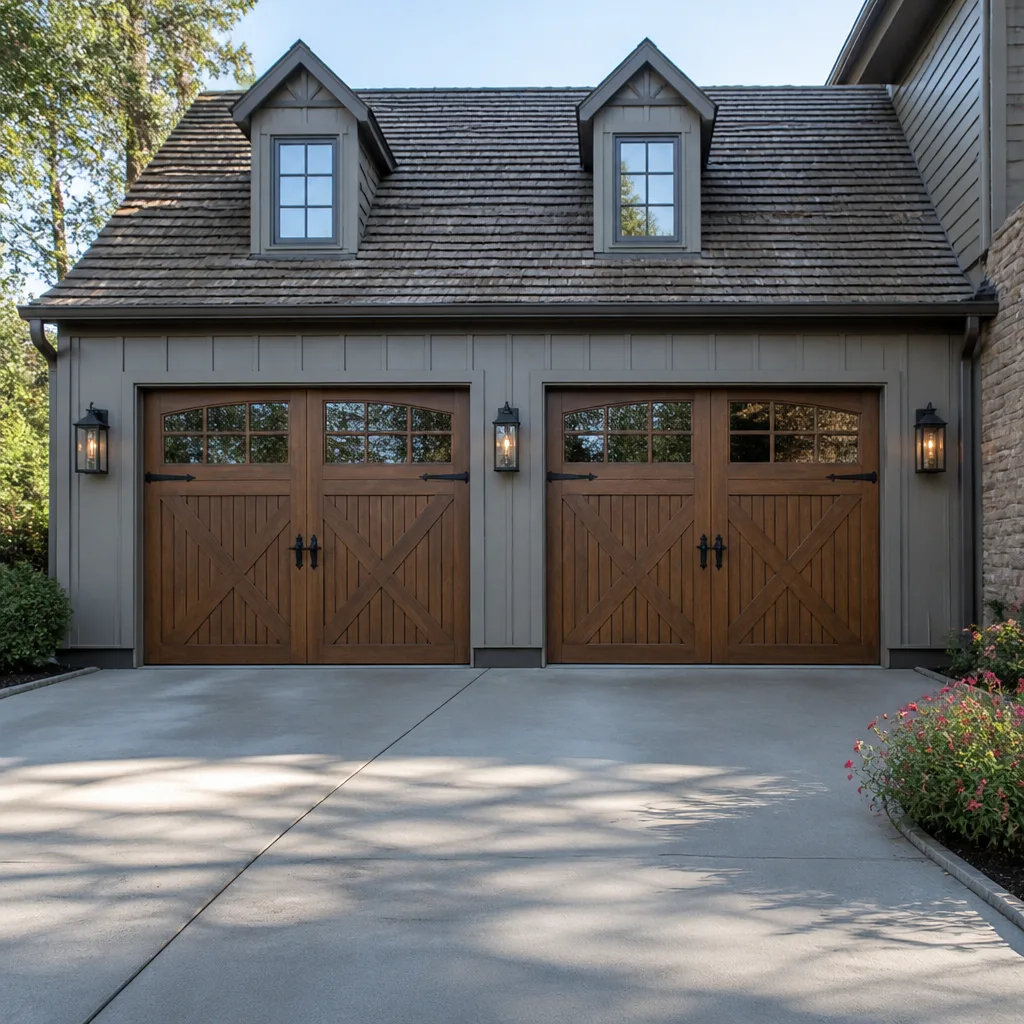 Carriage house
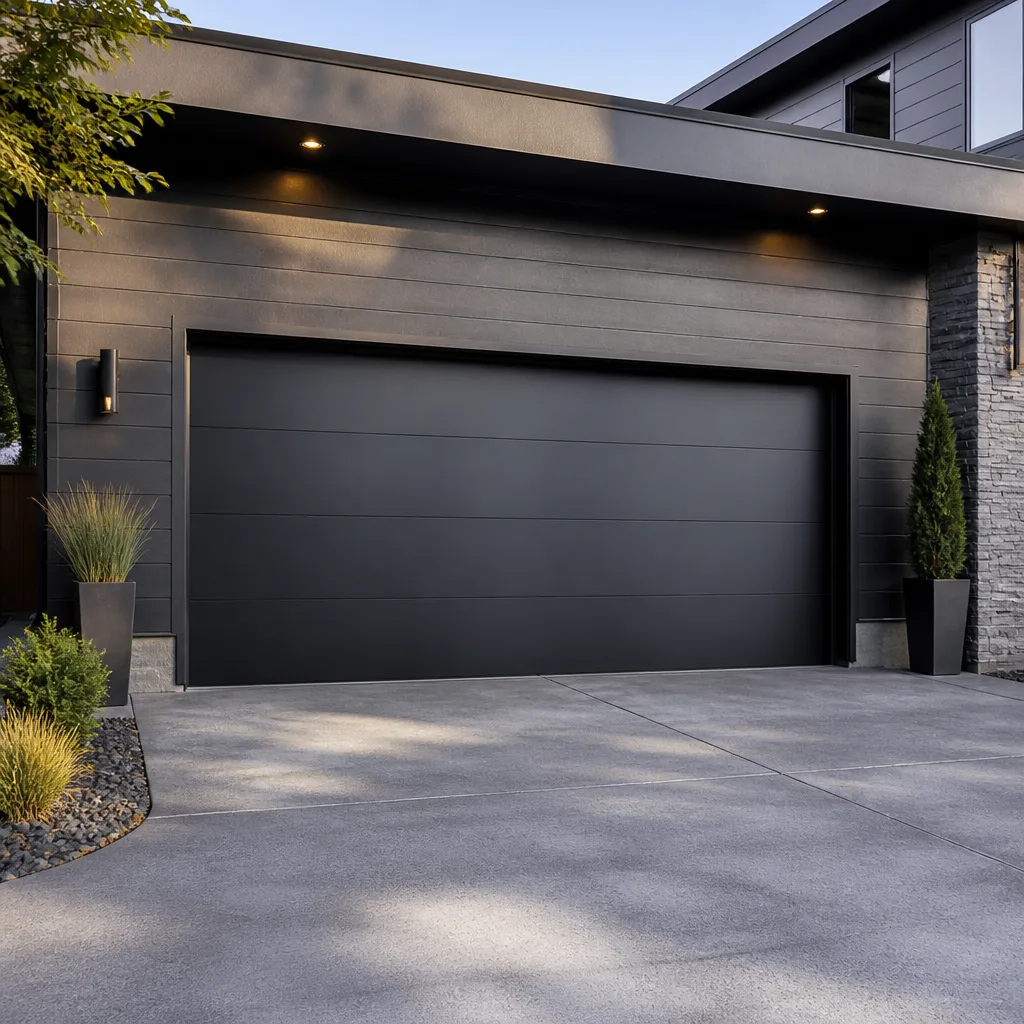 Modern flush
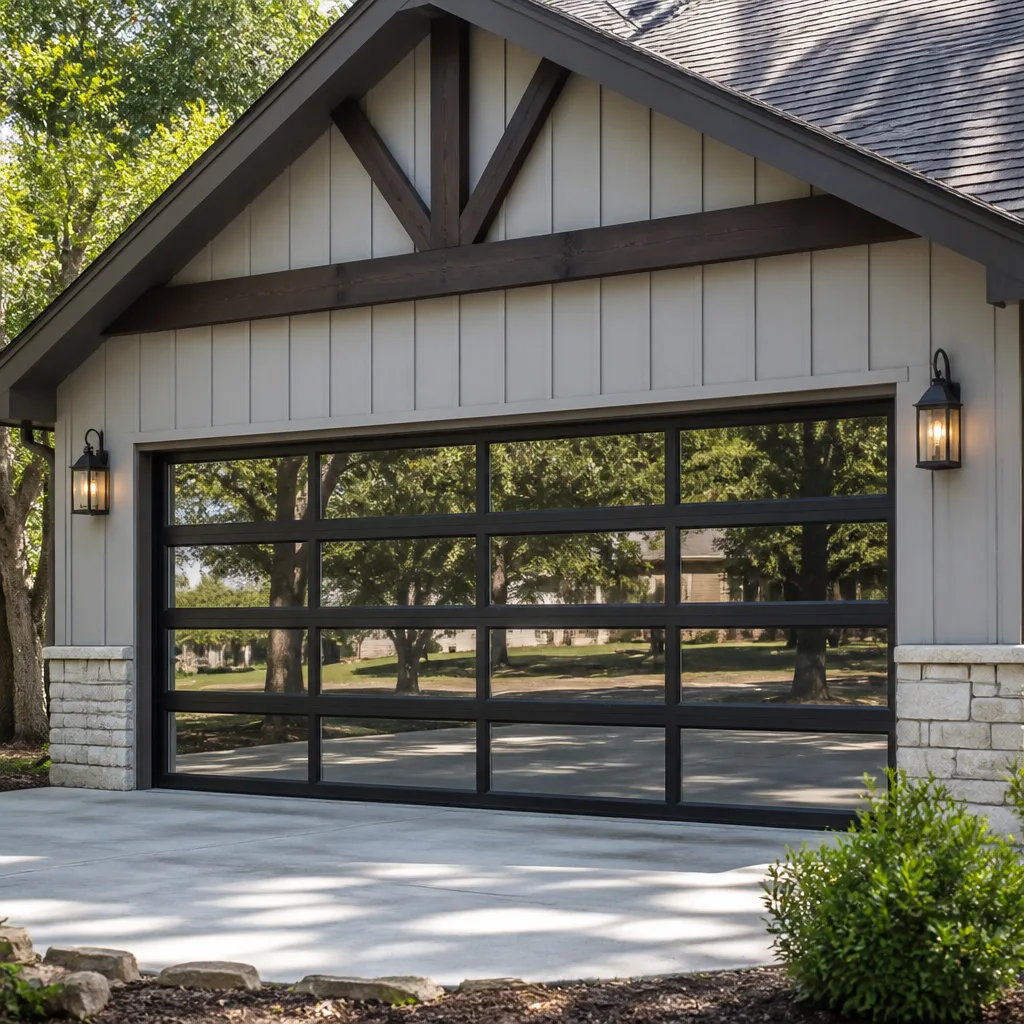 Full-view glass
 LiftMaster openers
 Chamberlain openers
Full 25-point door and opener safety check with every visit - springs, cables, rollers, tracks, and your LiftMaster or Chamberlain opener included
You get a price before we start. It does not change when the pro arrives.
Get your free estimateGarage Door Emergency Preparedness Guide for Dale City Homes
Most homeowners think of their garage door as a convenience until the moment it stops being one. Here’s the counterintuitive part: the emergencies that strand Dale City families almost never start with a broken spring. They start with the opener. The door is fine, the springs are fine, but the power is out and nobody in the house knows where the red release cord is, or the cord has been painted over during a repaint, or it was cut short years ago to look tidy. During the 2023 winter storm that knocked out power across Prince William County, emergency services fielded dozens of calls from homeowners who couldn’t exit their garages, and every one of those calls was preventable with a 60-second pull of the red release cord. This guide walks through the three emergencies that actually hit Dale City homes, how to handle each one, and what to check before you press the button after a storm. We’ll cover manual release on the openers most common in this area, how to secure a door during a long outage without bending anything, and what a battery backup can and can’t do.
Quick Answer
A garage door emergency in Dale City usually means one of three things: the power is out and the opener won’t lift the door, something failed mechanically (a spring, a cable, a roller), or a vehicle has hit the door. For a power outage, pull the red manual release cord to disconnect the opener and lift the door by hand. For a mechanical failure or vehicle impact, stop operating the door and call for help. Mechanical failures and impact damage are not DIY territory, and the springs especially are dangerous. We answer 24/7, with fast dispatch from 7am to 7pm, Sunday through Friday, and estimates are free.
Styles & brands we work with
- Raised-panel steel
- Carriage house
- Modern flush
- Full-view glass
- LiftMaster openers
- Chamberlain openers
Table of Contents
- The Three Real Emergencies for Dale City Garage Doors
- How to Release Your Door by Hand When the Power Is Out
- When the Release Cord Is Painted Over, Cut, or Missing
- How to Secure a Door During an Extended Outage
- Battery Backup Openers and What Works With Your Door
- After a Vehicle Impact: Cosmetic vs. Structural Damage
- Post-Storm Checklist Before You Operate the Door
- When to Call a Professional
The Three Real Emergencies for Dale City Garage Doors
Dale City sits in a pocket of Prince William County that catches its share of Nor’easters in winter and fast-moving summer storms the rest of the year. Power flickers. Trees come down on service lines. When that happens, an electric garage door opener becomes a very heavy manual door, and a lot of homeowners find out in that moment that they’ve never actually opened it by hand.
The emergencies that matter here sort into three buckets, and each one has a different response:
- Power loss. The door is mechanically sound but the opener has no electricity. This is the most common emergency in Dale City, and it’s the one you can handle yourself if you know where the release cord is. If the door is closed with a car inside, or open and exposing the house, you need to act.
- Mechanical failure. A torsion or extension spring snaps, a cable comes off a drum, a roller jumps the track, or the opener’s drive gear strips. The door may be stuck half-open, hanging unevenly, or frozen shut. This is not a manual-release situation; forcing the door can turn a repair into a replacement, and a broken spring under tension can injure whoever is standing near it.
- Vehicle impact. Someone backs into the door, or a teenage driver misjudges the clearance. The door may look battered but still lift, or it may have shifted on its tracks with damage hidden behind the panels. This is where a visual inspection matters most because what you see isn’t always the full story.
Matching the emergency to the right response is the whole point of being prepared. A power outage calls for the manual release. The other two call for a technician, and for good reason. When we talk about garage door repair in a storm-prone area, the honest answer is that the majority of emergency calls trace back to one of these three causes, and the fix depends entirely on which one you’re facing.
How to Release Your Door by Hand When the Power Is Out
The manual release is a cord that hangs from the opener’s trolley, and pulling it disconnects the door from the motor so you can lift the door by hand. Every opener made by LiftMaster, Chamberlain, Genie, Craftsman, and the rest has one. The catch is that the cord looks different from unit to unit, and in a lot of Dale City garages it’s been ignored for years.
Here’s the general sequence for the most common openers in this area. Check your owner’s manual for the specifics on your unit before you rely on this.
- Find the cord. Look up at the opener rail, near where the door arm attaches to the trolley. There’s a red handle or a red-tipped cord hanging down, usually with a tag on it. On a Genie or older Craftsman, it’s often a red T-handle; on a modern Chamberlain or LiftMaster, it’s a shorter cord with a red knob.
- Stand clear before you pull. If the door is open and the springs are working correctly, the door should hold itself. If it doesn’t, don’t pull; the balance is compromised and the door could fall.
- Pull straight down firmly. You’ll hear a click as the trolley disengages. The door is now free of the opener.
- Lift by hand, slowly. Use the bottom handle or the panel edges. A properly balanced door lifts with one hand; if you’re straining, stop and call for help.
- To re-engage, reconnect with the door closed. Once the power is back, push the door closed and run the opener. Most trolleys re-latch automatically as the door cycles. If it doesn’t catch, pull the cord again and try once more.
Never leave the door disconnected with the door open if you can help it. A disconnected door can’t be opened remotely and won’t hold when the opener is doing its safety checks. If you’re not sure the re-latch took, test the door by hand and then run the opener with a spring-loaded trigger, then confirm the trolley is engaged. If you have a LiftMaster or Chamberlain and the door has a battery backup, the release cord also works with the backup active, so this is the right move when the backup has run down or hasn’t been installed.
When the Release Cord Is Painted Over, Cut, or Missing
In older Dale City garages, the manual release cord has a way of disappearing. It gets painted over during a repaint, snipped off short because it looked messy, or torn away when someone backed into the door. A missing or jammed release cord is the single most common reason a homeowner can’t get the door open during an outage, and it’s easy to fix before the storm, not after.
- Painted over: If the cord is stuck to the trolley arm with paint, don’t force it. The paint may have sealed the release lever. You can try working it free with a careful pull while holding the trolley steady, but if it won’t budge, call us. The lever can break, and then the opener’s trolley is locked to the door until someone gets up there with tools.
- Cut short or removed: This is fixable but shouldn’t be a DIY job if you’re not comfortable on a ladder above the opener rail. The replacement cord threads through the release lever and terminates with a handle. Call it in as a preventive repair, not something to hope you never need.
- Snipped to hide it: A previous owner may have done this. It’s one of the things our technicians check on every visit. “Where’s your release cord?” is a better question than most homeowners realize.
We keep this short and practical because it’s one of the few emergency fixes that genuinely belongs on a homeowner’s radar. The rest of the time, opener problems are better handled by someone who knows the machine. That’s what garage door opener repair is for, and it includes reconnecting or replacing a manual release that’s been painted over or shortened.
One local note: the common door and opener combinations in this area run the range from older Genie units in the 1980s and 90s builds to newer Chamberlain and LiftMaster smart openers in the newer sections of Dale City. Our technicians have up to 11 years of experience working across every one of these brands and know where the release mechanism sits and how it behaves on each system, including the ones that look the same but aren’t.
How to Secure a Door During an Extended Outage
An outage that lasts a few hours is a nuisance. One that lasts two or three days, which happens in Dale City when the power company has hundreds of poles to reset, is a security question. The garage is the front door for a lot of families, and an open or disconnected door is a hole in the perimeter of the house.
There are two positions to secure: door closed, or door open.
Securing the door closed
If the door is already down and you have no car trapped inside, leave it closed. The door is the security barrier. The manual release cord should be pulled if you may need to lift it later for any reason, but if you don’t need access, leave the opener in normal position and don’t touch it. The door is locked by its own weight and the opener’s disengaged state. Only pull the cord if you need to open the door for access, and re-engage when done.
Securing the door open
If the door is up and the power is out, don’t leave it hanging on the opener. A door that’s open and connected to a dead opener is held by the opener’s belt or chain and the springs. If anything lets go, the door can slide down. The safe way to secure it open:
- Pull the manual release to disconnect the opener.
- Lift the door fully by hand until it rests at the top of the travel, and check that it holds. A balanced door should stay up with a slight nudge.
- Put a C-clamp or a set of locking pliers on the vertical track just above the bottom roller. This is the standard way to lock a door in the open position, and it prevents it from rolling down.
- Don’t do this on a door with a broken spring, a sagging cable, or a damaged track. Call a technician instead.
If the door is jammed and won’t lift or lower by hand during an outage, that’s a mechanical failure on top of a power failure, and it’s a two-part call. When we handle garage door spring repair, part of the job is making sure the door will operate manually and safely so the next outage doesn’t leave you stuck inside the garage.
Battery Backup Openers and What Works With Your Door
A battery backup opener keeps the door working for a limited time after the power goes out, lifting the door a set number of cycles before the battery drains. It’s the practical answer for households that lose the garage during storms, but it’s not universal and it’s not a substitute for knowing the manual release.
What to know before you buy:
- Not every opener supports it. Battery backup is built into specific models, and it can’t be added to an opener that wasn’t designed for it. If you’re replacing an opener and want backup, it’s a feature to specify up front, not a retrofit.
- The major brands differ. LiftMaster and Chamberlain both offer battery backup units, and their accessories and remotes generally follow the same ecosystem. If you have a Genie, the battery backup models are separate units with their own compatibility rules. A Craftsman or older unit may not have a matching backup at all.
- Existing rail systems: the common Dale City door configurations (single and double doors on a standard 7-foot track, with a few 8-foot setups in the newer builds) accept most modern openers, but the rail and mounting hardware have to match the opener. A backup unit is usually a full opener replacement, not an add-on to an old rail.
- The battery is a consumable. Backup batteries age. If the opener has been in place for years and the backup has never been tested, test it during the next outage with the door closed, and plan on replacing the battery eventually.
If you’re not sure whether your door can take a backup opener, we can look at the configuration and tell you what fits, which is part of what we do with any new opener installation in Dale City. A battery backup helps, but it still won’t help if the springs or cables have already failed. The backup is a power solution, not a mechanical fix.
After a Vehicle Impact: Cosmetic vs. Structural Damage
A car or truck hitting a garage door is one of the more common emergency calls we field, and it’s also the one where homeowners most often guess wrong about the severity. The door may still lift and close after a mild bump, but what looks like a dented panel can hide a bent track, a shifted header, or a twisted torsion tube.
What’s usually cosmetic
- A single dented or creased panel on the lower half of the door where the vehicle struck it, with the door still balanced and running smoothly.
- Scuffed paint or cosmetic damage to the frame of the door, not the track.
- A bent bottom bracket that can be replaced without pulling the door apart.
What compromises the structure
- Displaced tracks. If either track is visibly bent out of line, the rollers will bind and the door can come off the track. Stop operating the door.
- Header damage. The header is the beam above the door that carries the weight of the door and the opener. If the door is jammed, the tracks are torqued, or the door no longer hangs true, the impact may have transferred to the header. This needs a professional look.
- Torsion tube or spring displacement. Even a light impact can knock a spring out of its winding or shift the torsion tube. A door that suddenly seems heavier, or that won’t stay up, has a problem that isn’t cosmetic.
Our advice after a vehicle impact is simple: don’t run the opener to see whether it still works. If the door has shifted on its tracks, running the opener can bend the panels or drop the door. Get a technician out to look at it. If the panels themselves are the only casualty, a panel replacement with a matching Clopay, Amarr, or Wayne Dalton panel is often the right fix rather than a full door replacement, and we’ll tell you which one actually makes sense after we’ve seen it.
Post-Storm Checklist Before You Operate the Door
After a high-wind event in Dale City, the smart move is to look before you lift. Wind doesn’t just blow leaves around; it can push a door off its tracks, drive debris into the track, or shift a spring. Run through this before you touch the opener button.
- Look at the tracks. Both sides should be straight, parallel, and dent-free. A dented or misaligned track will bind the door.
- Check the cables. The cables should be taut and both seated on their drums. A cable that has jumped the drum or hangs loose means the door isn’t safe to operate.
- Check the springs. Look at the torsion spring above the door (for a torsion setup) or the extension springs along the tracks. A gap in the coil or a spring that’s visibly separate from its siblings means it’s broken. Don’t touch it; call us.
- Test the door by hand. With the opener disconnected, lift the door a foot or so. It should feel balanced and move without much effort. If it’s heavy, binds, or won’t stay put, stop.
- Walk the perimeter. Look for debris lodged in the tracks, a door that’s shifted in its opening, or damage to the frame.
- Run the opener and the safety reverse. With the door clear, run the opener and test the safety reverse with a firm push on the bottom edge. If the door doesn’t reverse, that’s a problem for the opener and needs attention before the next cycle.
If the power is out while you’re doing this, that’s fine; the hand test is the important part. If you want a second opinion, an emergency call for a stuck or non-functional door is available for exactly this reason. If you’re not sure whether your door is safe after a storm, our Dale City Garage Door Repair team can take a look before you run the opener again. The cost of the look is small compared to the cost of a door that comes down on a car.
Common Mistakes to Avoid
- Cutting the release cord short to tidy up. A short cord can’t be reached from the floor, and the moment you need it is the worst time to find out. Leave the full length and let it hang with its tag.
- Pulling the manual release on a door with a broken spring. The opener may be holding the door up by its own mechanism. Disconnecting it can drop the door. If the door is heavy in your hand, stop and call us.
- Forcing a jammed door with the opener. Running the opener on a door that’s off its track or bound on a dent cuts through panels, bends more track, and can strip the opener’s drive gear. It turns a repair into a replacement.
- Assuming the backup battery will cover a long outage. It won’t. Battery backup gives you a limited number of cycles, not days of power. Know where the release cord is anyway.
- Leaving the door open during an outage “because it’s fine”. An open, disconnected door is a security gap in a house that relies on the garage as its main entry. Secure it and clamp the track before you go to bed.
- Trying to fix a spring or cable on your own. This is the most dangerous repair in the trade, and the reason spring repair is a dedicated service for us rather than a general repair. Springs and cables are under tension and can cause serious injury. Keep your hands off it.
- Assuming after a storm that “it looks fine”. A door can look closed and even be closed while the tracks are torqued and the cables are off the drums. Run the checklist before you press the button.
See the difference
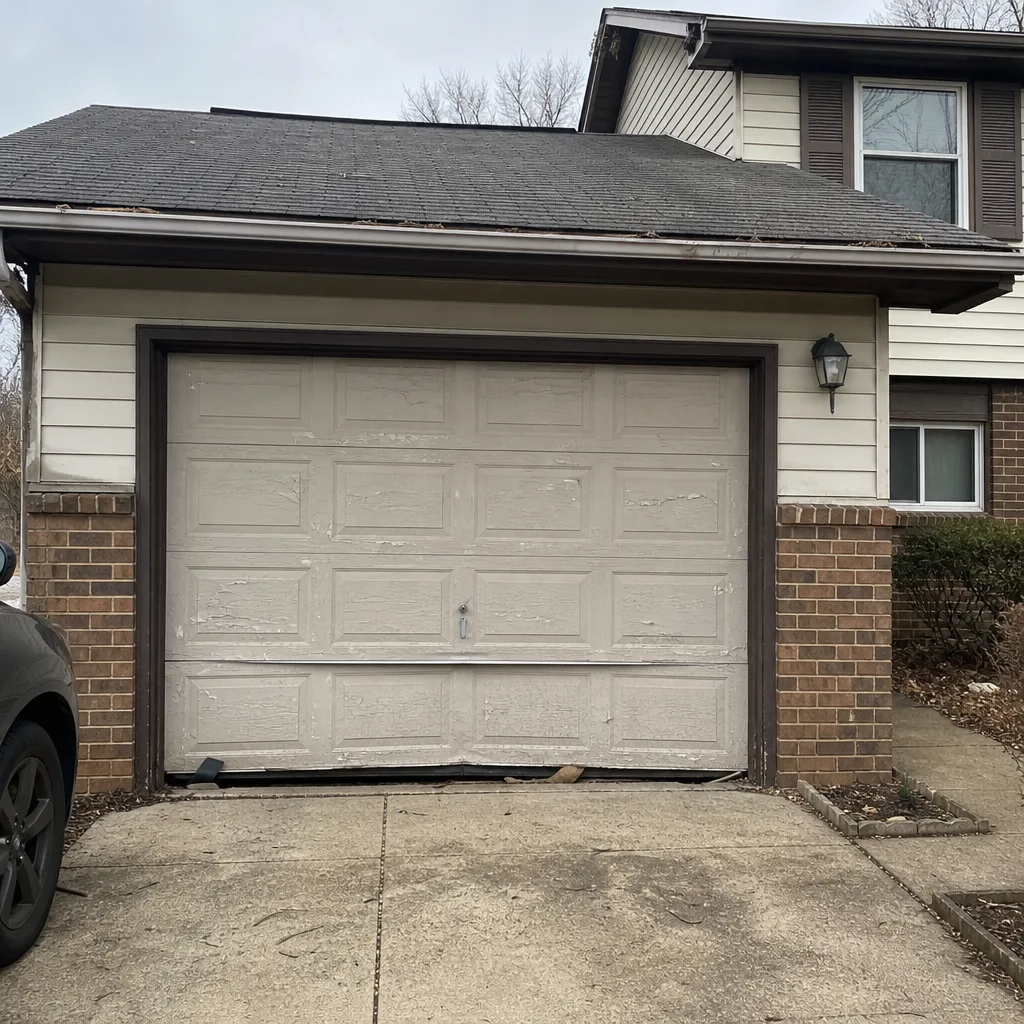
 Before
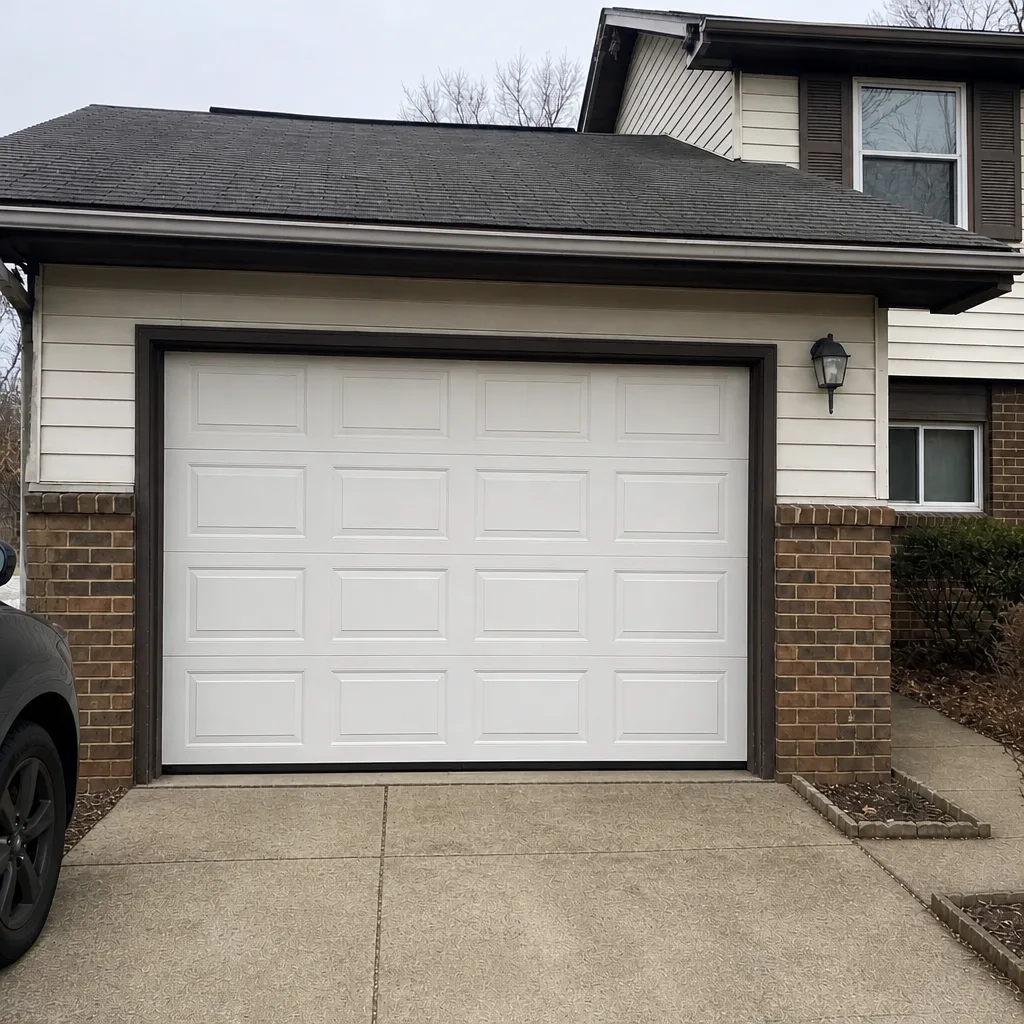
 After
 Before
 After
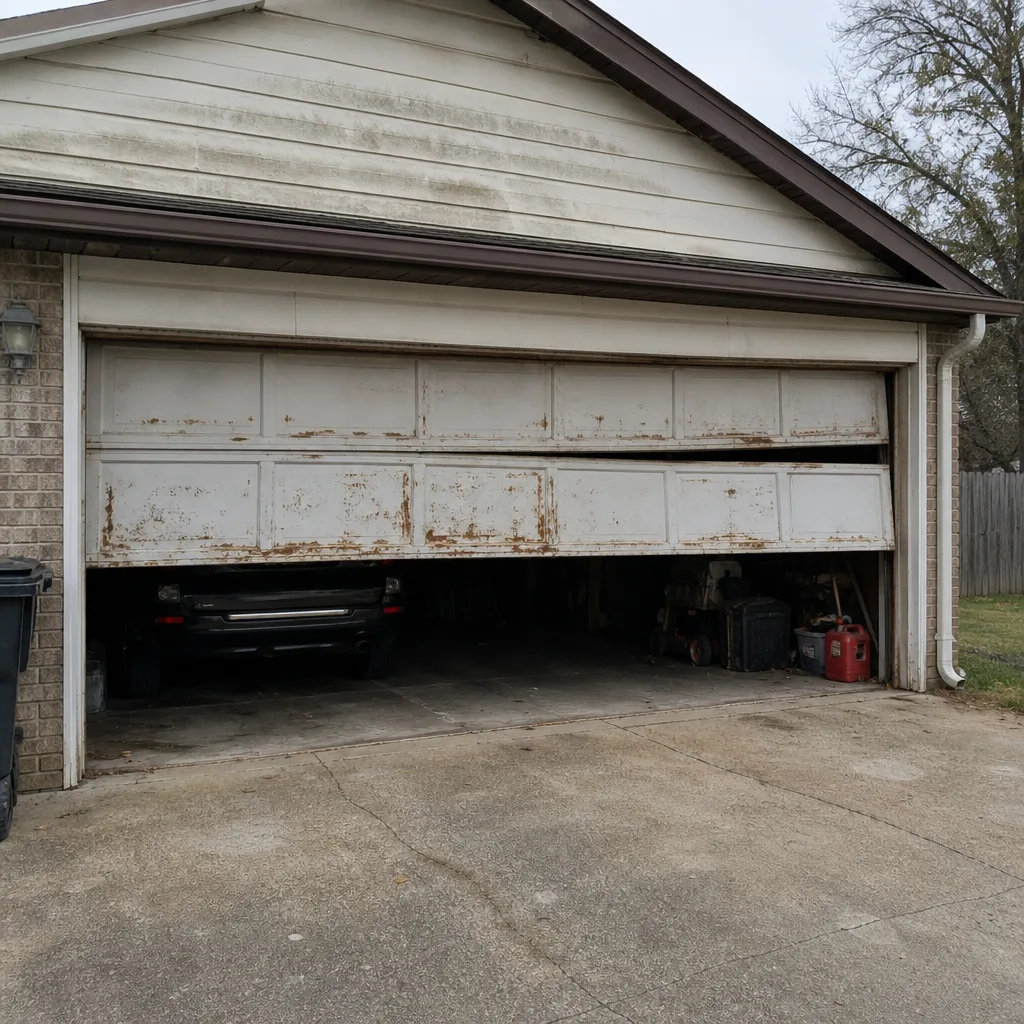 Before
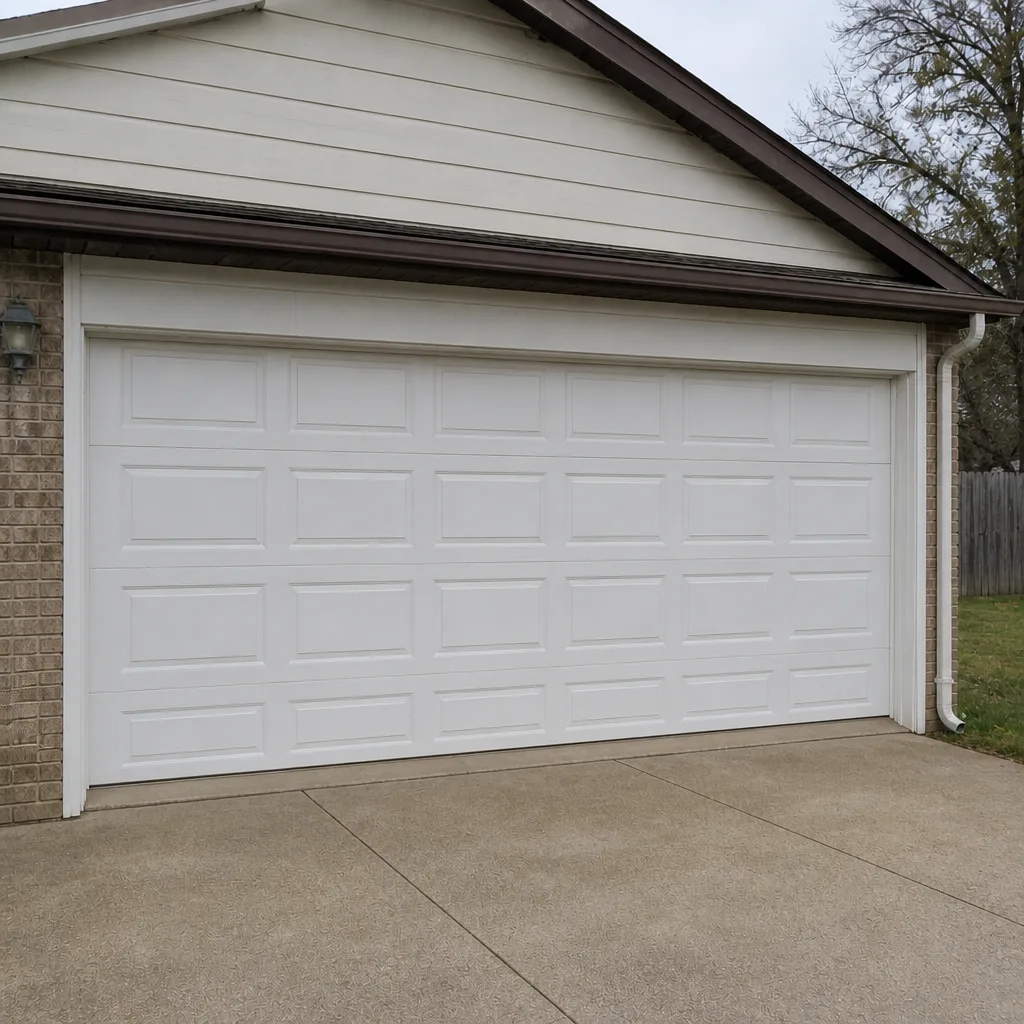 After
When to Call a Professional
Call a professional when the door won’t hold itself up by hand, when a spring has visibly broken or the door suddenly feels heavy, when a cable has come off a drum, when the door has shifted on its tracks after a vehicle impact, or when wind has left the door binding or off its line. Call for an opener that won’t reverse on the safety test, and call before you replace a manual release cord that’s been cut or painted over if you’re not comfortable on a ladder. We answer 24/7, with fast dispatch from 7am to 7pm, Sunday through Friday, and the estimate is free. Dale City Garage Door Repair offers free estimates in Dale City. Call (844) 766-2325. The local pro is licensed and insured as their state requires, and the price is quoted and agreed before any work starts.
Frequently Asked Questions
Pull the red manual release cord that hangs from the opener trolley. That disconnects the motor from the door, and you can then lift the door by hand. If the cord has been painted over, cut, or is missing, you’ll need a technician to restore the release before the next outage. Call (844) 766-2325 for a free estimate.
Storm damage usually reaches the door in one of three ways: the tracks get dented or pushed out of line, a cable jumps its drum, or a spring loses tension. In rare cases the opener loses power completely, in which case the manual release still works. Check the tracks and cables before you run the opener again. If anything looks bent or loose, call us.
It depends on your existing unit. Battery backup is built into specific models from LiftMaster and Chamberlain, and both are common in this area. It can’t be added to an opener that wasn’t designed for it, and it’s usually a full opener replacement rather than an add-on. The battery is also a limited resource, so it doesn’t replace knowing how to use the manual release. Call (844) 766-2325 and we’ll tell you what fits your door.
Not without an inspection. A dented panel is often cosmetic, but a bent track, a shifted torsion tube, or a compromised header isn’t, and you won’t spot all of it from the ground. Don’t run the opener until a technician has looked at the door. We’ll tell you whether it’s a panel replacement or something structural, and the estimate is free.
Same-day service is available for many repairs, and emergency service is a real offering for a stuck or non-functional door that’s a security or safety problem. We answer 24/7, with fast dispatch from 7am to 7pm, Sunday through Friday. A call outside dispatch hours is booked into the next opening. Call (844) 766-2325.
Check the tracks for dents and misalignment, the cables for slack or a jump off the drum, and the springs for a gap in the coil. Then lift the door by hand with the opener disconnected to see if it’s balanced. If any of those look wrong, don’t run the opener. If everything checks out, run the door once and test the safety reverse before going back to normal use. Call (844) 766-2325 if you’d like a professional look.
The Bottom Line
The three emergencies that matter in Dale City homes are power loss, mechanical failure, and vehicle impact, and each one has a clear response. Power loss is a manual release; know where your cord is and keep it reachable. Mechanical failure and vehicle impact are calls to a technician, especially anything involving springs, cables, or a shifted header. Battery backup helps with power loss but won’t fix a broken spring, and a post-storm inspection before you press the button is the cheapest insurance you have. If you’re not sure, don’t guess with the opener. We cover repair, spring repair, opener repair, and installation across all eight major brands. The estimate is free and the price is agreed before work starts.
Call (844) 766-2325 for a free estimate. We answer 24/7. Fast dispatch from 7am to 7pm, Sunday through Friday.
Written by the team at Dale City Garage Door Repair.