
Last updated November 23, 2026
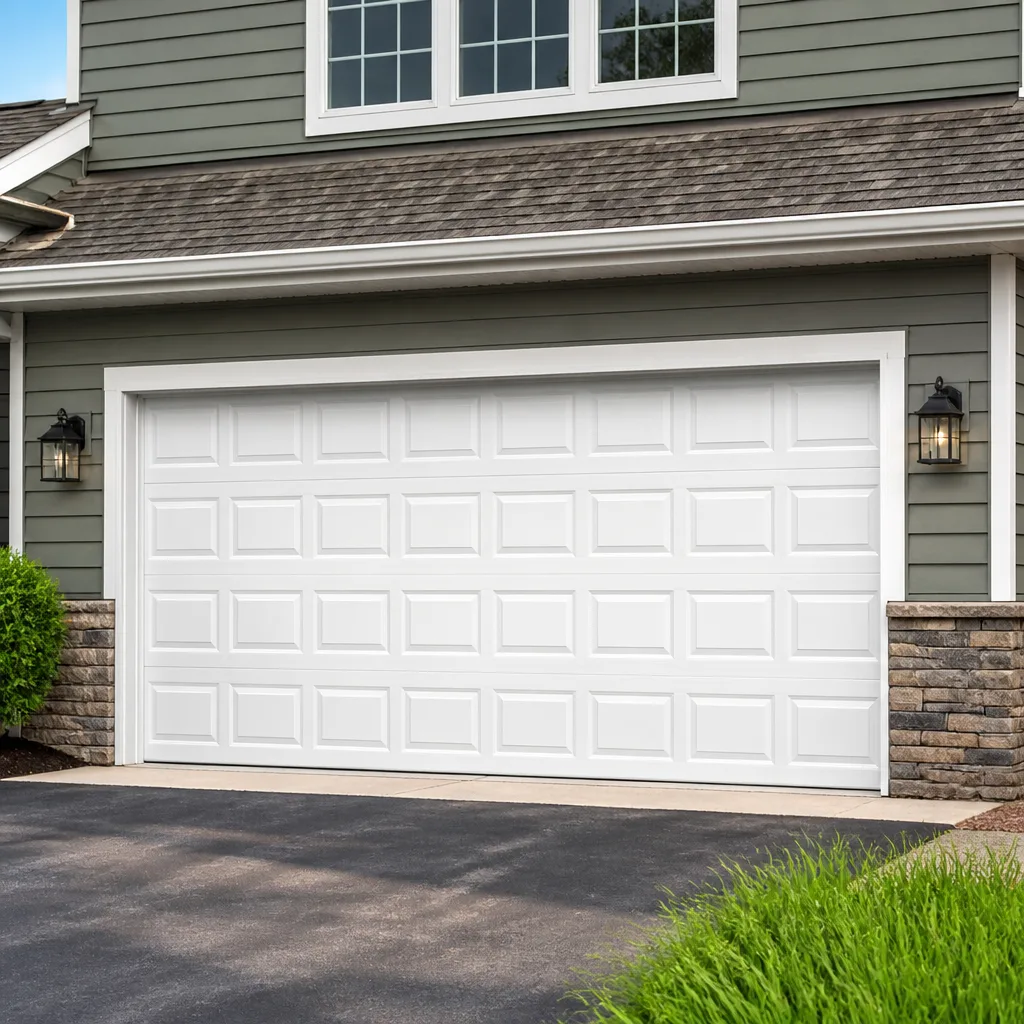 Raised-panel steel
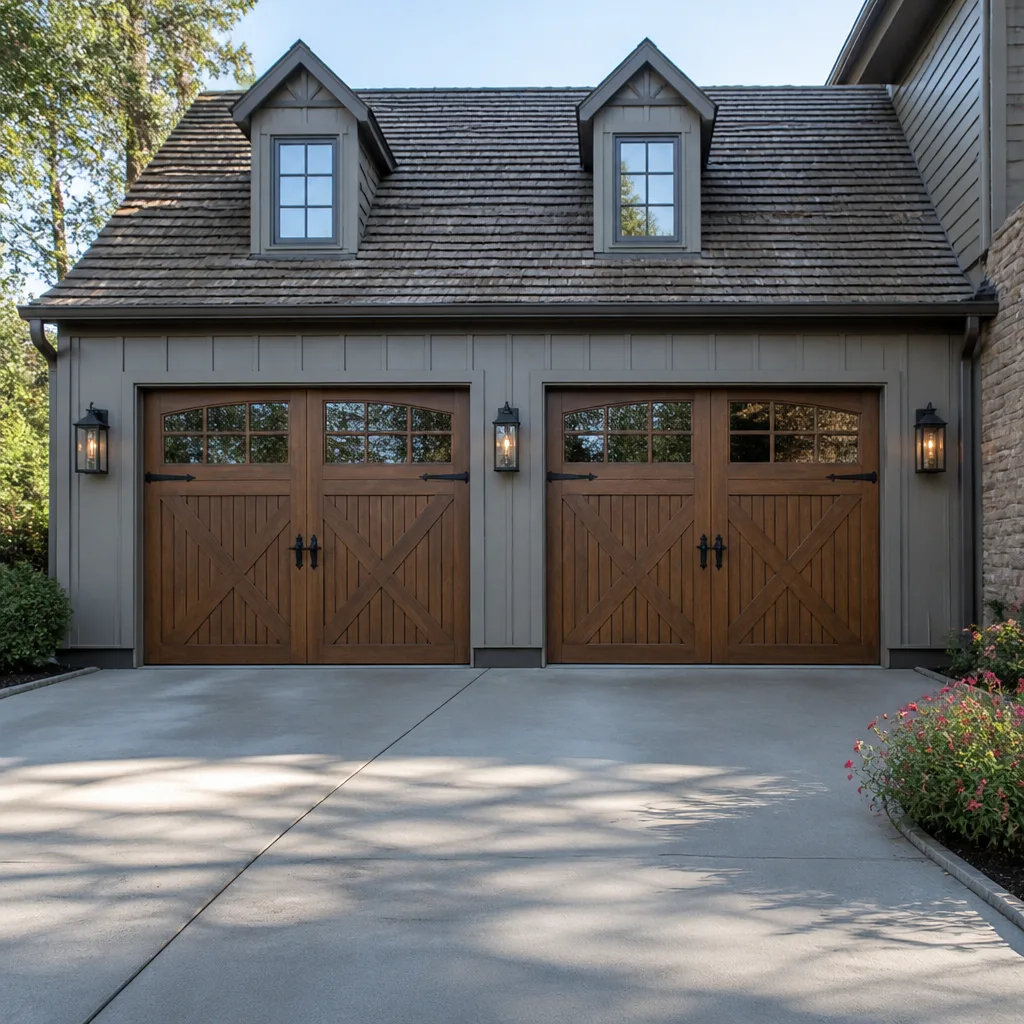 Carriage house
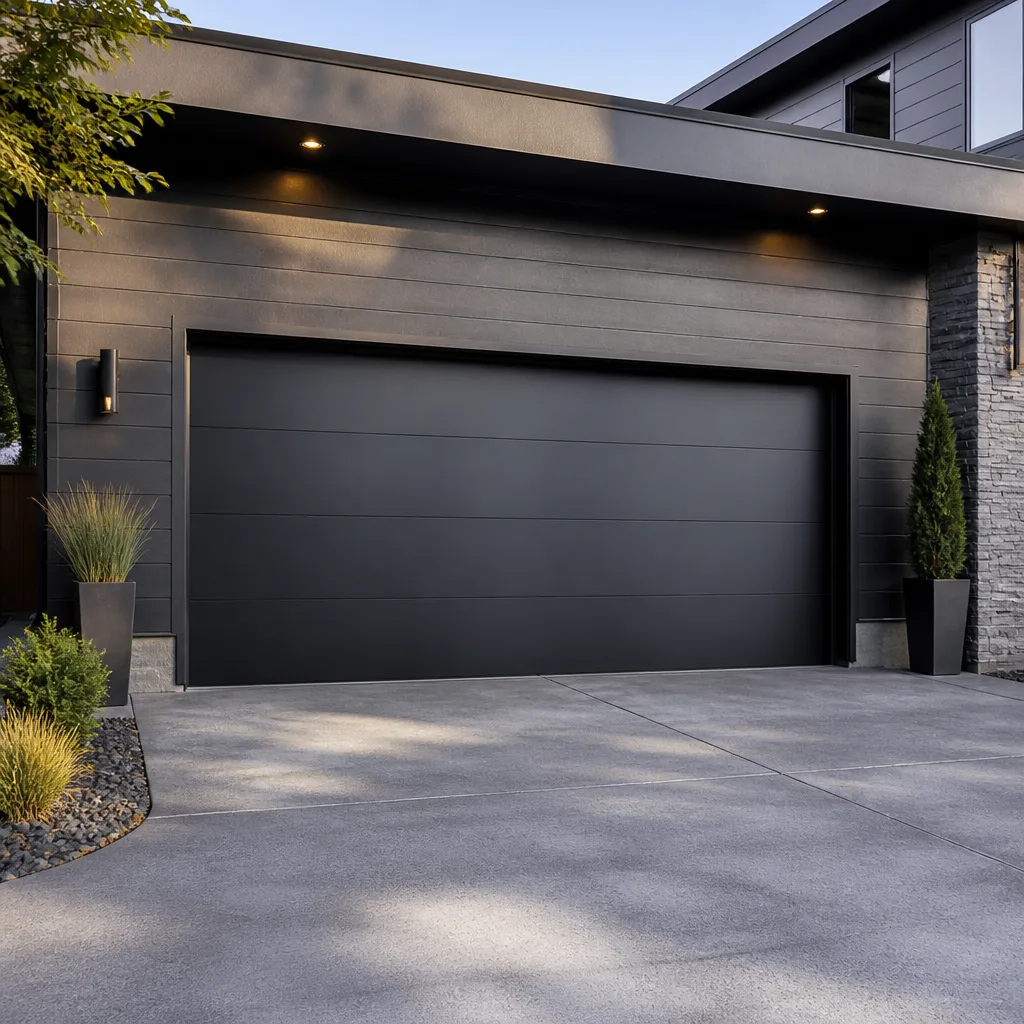 Modern flush
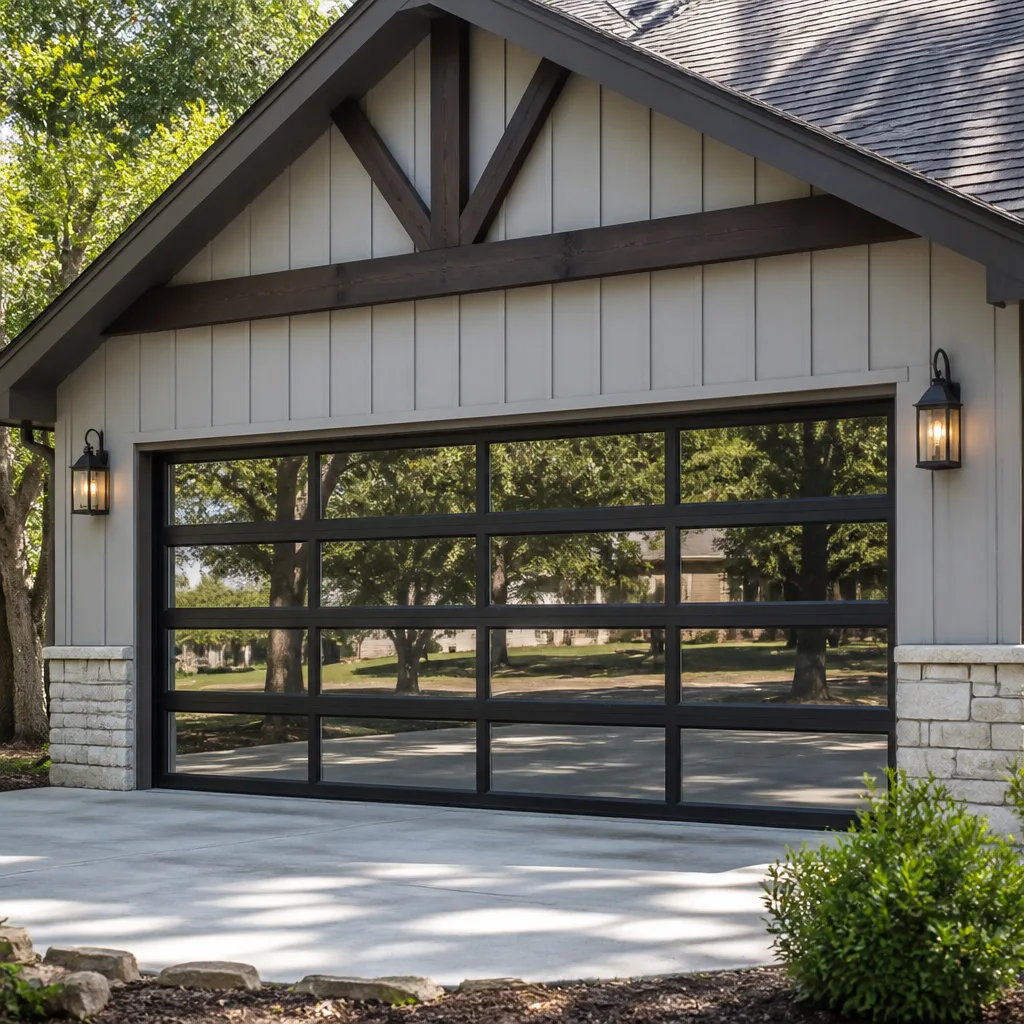 Full-view glass
 LiftMaster openers
 Chamberlain openers
Full 25-point door and opener safety check with every visit - springs, cables, rollers, tracks, and your LiftMaster or Chamberlain opener included
You get a price before we start. It does not change when the pro arrives.
Get your free estimateGarage Door Repair Maintenance Checklist for Dale City Homeowners
The call that surprises people most isn’t the one about a snapped spring. It’s the one that starts with “it just stopped working.” Nine times out of ten, when we ask how long it’s been since anyone lubricated the moving parts, the answer is never. A dry hinge or a roller with a flat spot doesn’t announce itself. It grinds quietly for months, wears the track, and by the time the door refuses to move, a small lubrication job has become a roller-and-track replacement. Garage doors are the one piece of equipment on your house that runs every single day, in every temperature, and gets inspected almost never. This checklist is organized by door age and by component, so you’re checking what’s actually likely to fail on your setup in Dale City, not running through a generic list that treats a twenty-year-old Wayne Dalton the same as a new LiftMaster.
Quick Answer
A garage door maintenance checklist should cover six areas: balance and travel, springs and cables (visual only), rollers and hinges, the track, the weather seal, and the opener’s safety reverse and force settings. How often you check each one depends on door age. Under five years, an annual pass is enough. Between ten and fifteen years, twice a year. Past twenty years, every few months, especially through Dale City’s summer heat and winter cold swings.
Styles & brands we work with
- Raised-panel steel
- Carriage house
- Modern flush
- Full-view glass
- LiftMaster openers
- Chamberlain openers
Table of Contents
- How to Check Your Door by Age
- Lubrication: The Right Product for Each Point
- Springs and Cables: What You Can Check Without Touching Them
- The Safety Reverse and Force Test
- Seasonal Adjustment for Dale City Temperature Swings
- Rollers, Hinges, and Track Condition
- Opener and Remote Checks
- Common Mistakes to Avoid
How to Check Your Door by Age
Age is the single best guide to what’s about to fail. The parts that wear first on a newer door are completely different from the parts that wear on an older one, and inspecting them on the same schedule wastes time in one direction and misses risk in the other. Here’s how we’d prioritize each tier.
Doors under five years old
- Test the safety reverse and force settings twice a year. New openers run the settings from the factory, and those settings can drift as the door settles.
- Check the balance once a year. A new door should hold halfway open without help.
- Look at the bottom seal for cracking or a gap at the floor. New seals compress and take a set, and a gap lets in the cold and the small pests.
- Wipe and lightly lubricate hinges and rollers once a year. Fresh factory grease doesn’t last forever, and a new Wayne Dalton or Raynor door still needs its moving parts.
Doors ten to fifteen years old
This is the age band where we see the most preventable trouble in Dale City. The two things to watch are springs and rollers.
- Test balance more often. A door that no longer holds halfway is telling you the springs are losing tension.
- Listen on the way up and down. A rumble or a scrape usually means a worn roller or a hinge that’s lost its lubrication.
- Look along the track for any bending or a gap at the seams. Older tracks can pull apart as the framing settles.
- Inspect the bottom seal and the side weatherstripping for hardening. Ten-year-old rubber gets stiff and stops sealing.
- Check the opener’s safety reverse every six months, not once a year.
Doors twenty years and older
Past twenty years, a garage door is running on borrowed time in at least one component. Check it every few months. Look for a door that sags at one corner, a panel that’s cracking, hinges pulling loose from the panel, and springs that show rust or a visible gap. At this age, it’s worth having a technician look at the whole system once a year, because the wear adds up and the failure points stop being obvious. Whether you repair or replace is a genuine question at this age, and we’ll tell you which one actually makes sense rather than pushing a new door you don’t need yet.
Lubrication: The Right Product for Each Point
Lubrication is the cheapest thing you can do for a garage door, and it’s also where we see the most damage done wrong. The most common mistake in Dale City: spraying WD-40 on the springs and calling it maintenance. That’s the opposite of what springs need. Standard WD-40 is a water-displacing solvent, not a lubricant, and the solvent in it cuts through the factory oil on a spring and leaves the metal dry. Dry metal in a damp garage corner is where rust starts.
Here’s what to use, point by point:
- Springs: A garage door or lithium grease applied to the coils, or a purpose-made garage door spring lubricant. Never a solvent spray.
- Rollers (metal-stem rollers): A few drops of light machine oil on the bearing end. Sealed nylon rollers need no lubrication; adding oil to them attracts grit.
- Hinges: A light oil or a dab of lithium grease on the pivot points. Avoid a penetrating spray that will run off.
- Track: Don’t grease the track. Keep it clean and dry. Grease on a track collects dust and grit and turns into a paste that wears the rollers.
- Opener rail: Follow the opener brand’s guidance. A chain-drive LiftMaster or Craftsman rail typically takes a light grease; a belt-drive doesn’t.
Do this once a year on a young door and twice a year on a door past ten years. The whole job takes fifteen minutes. It’s the difference between a $12 tube of grease and a roller-and-track replacement you didn’t plan for. If you’re not sure which roller type you have, that’s the moment to ask.
Springs and Cables: What You Can Check Without Touching Them
We need to be direct here, because this is where people get hurt. A garage door spring carries the full weight of the door under extreme tension. A winding or unwinding spring can cause serious injury in an instant, and the tools that hold a spring in place are specialized for a reason. Never touch, adjust, wind, unwind, or attempt to replace a spring yourself. Never cut a cable. This is not a DIY fix, and no checklist should tell you otherwise.
What you can do is check visually, from a safe distance, without touching anything:
- Look for a visible gap in the spring coil. A broken torsion spring often shows a clear break or a gap between two coils. If you see one, stop and call. The door should not be run.
- Check for rust. Rust on the spring, especially orange flaking, shortens its life and signals it’s worth a professional look.
- Look at the cables. A frayed cable has broken strands sticking out. A cable that’s come off a drum is a serious fault. Either one means don’t use the door.
- Check the safety cable. Extension springs on older doors should have a safety cable running through the spring to contain it if it snaps. If yours has no cable, that’s worth a conversation.
A broken spring shows up as a door that’s suddenly very heavy and either won’t open or opens a few feet and stops. Spring replacement is a core part of what we do in Dale City, and it’s one of the highest-risk jobs in the trade. On a matched pair, the two springs are usually replaced together, because the second has worked the same number of cycles as the first. If a spring fails on a Saturday, call us. We’re closed Saturdays, and we’ll book you into the next opening, Sunday through Friday.
The Safety Reverse and Force Test
This is the one test every homeowner should run every month. The safety reverse system is a federal requirement on openers, and it’s what stops the door from closing on a child or a pet. It’s quick, and it gives you a clear pass or fail. Here’s how to run it right.
The auto-reverse test (the object test)
- Fully open the door, then start it closing.
- Place a firm object at least two inches tall in the middle of the opening. A piece of wood or a rolled-up mat works.
- Watch the door as it meets the object. Pass: the door reverses and goes back up without touching the object hard. Fail: the door presses on the object, stalls, or doesn’t reverse. A fail means stop using it and call.
The photo-eye (beam) test
- With the door closing, wave your leg or a broom across the light beam at the bottom corners.
- Pass: the door reverses immediately. Fail: it keeps going. Check that both sensors are lit, clean, and aimed at each other, then retest. A sensor that won’t stay lit is a wiring or alignment fault.
The force (pressure) test
The opener has a force limit that decides how hard it pushes before it gives up. A limit set too high is a safety problem, and one set too low makes the door stop halfway. On most LiftMaster and Chamberlain openers, the adjustment is on the back or side of the motor unit, with a labeled force screw. If you’re unsure how your brand sets it, leave it to us. A technician can set it to the door’s actual weight.
Seasonal Adjustment for Dale City Temperature Swings
Dale City gets both real summer heat and hard winter cold, and a garage door feels every degree of it. Metal expands in the heat and contracts in the cold. The result is small changes twice a year that add up.
- In the heat of summer, the tracks can soften and the framing shifts slightly, which pulls a gap at the track seams. A door that opens smoothly in spring can start to bind in July. Check the track for a gap at the seams and listen for a scrape.
- When the cold hits, the metal contracts and the door can sit slightly differently in the frame. The springs are stiffer in the cold, which puts more load on the opener. If your door strains in cold weather, the force setting or the spring tension is the likely cause.
- The bottom seal takes the brunt of both. Hot summer hardens the rubber, cold winter makes it brittle. Check it in spring and fall for cracks and a gap at the floor.
The smart habit in Dale City is to adjust your inspection timing to the season. Run a full check in spring before the heat and again in fall before the cold. If you feel the door bind, hear a new noise, or see a track gap, don’t wait for the seasonal check. That’s the moment to have a technician look.
Rollers, Hinges, and Track Condition
The rollers and the track are the parts that turn a small amount of wear into a big repair. Rollers wear on the bearing or the stem, and a worn roller rides hard on the track, which wears that too. Check these together.
- Rollers: Look for a flat spot, a wobble, or a roller that’s chipped. Metal rollers with no bearing wear faster; nylon rollers wear quieter. Worn rollers are cheap to replace before they damage the track.
- Hinges: Check that each hinge is tight to the panel and that the pivot isn’t seized. A hinge pulling loose from a panel is a sign the panel itself is under stress.
- Track: Run your hand along the inside of the horizontal track (door down, opener off the door) and feel for dents or bends. Look for a gap at the vertical-to-horizontal bend. A bent track is what a door “jumps” out of, and a track that’s come apart at a seam is a repair, not an adjust.
- Panel condition: Look for cracks, a loose section, or a steel panel that’s rusting through at the bottom. A cracked panel on a Clopay or Amarr door can often be replaced as a section rather than the whole door.
Rollers and hinges are within reach for a careful homeowner on a young door. Track bending and panel replacement are not. If the door jumps, grinds, or comes off the track, that’s the point to stop and let a technician take it. This is squarely garage door repair territory, and we handle it from the same visit as an opener or spring issue.
Opener and Remote Checks
The opener is the brain of the system, and it deserves its own check because its failures look different from the door’s. Most of what we fix on openers in Dale City is a force-limit setting, a worn gear, or a remote that needs reprogramming, not a dead unit.
- Listen to the opener on the way up and down. A grind or a clunk from the motor unit is often a worn gear or a chain that needs adjustment.
- Test the wall button and the remotes separately. If the wall button works but the remotes don’t, the issue is the remote or the receiver, not the opener. If neither works, it’s the opener or its power.
- Check the safety sensors on every test. Clean the lenses and make sure both are lit. A sensor knocked out of alignment is the most common cause of a door that refuses to close.
- On a LiftMaster or Chamberlain with MyQ, the app can tell you the door’s status and history. If the app shows the door didn’t close, treat it as a sensor or limit issue, not a Wi-Fi one.
- On an older Craftsman or Genie, a remote that’s stopped working is often just a battery or a reprogram. That’s a cheap fix before you consider a new opener.
If the opener is past its service life or is a model without today’s safety features, replacement is often the smarter call. The right decision depends on the door and the opener together, and that’s what an opener specialist can tell you on a free estimate. For anything beyond a remote or sensor, that’s garage door opener repair work, and we cover both the modern smart platforms and the older mechanical systems.
Common Mistakes to Avoid
- Spraying WD-40 on the springs. It’s a solvent, not a lubricant, and it strips the protective oil and invites rust. Use grease or a spring-specific lubricant instead.
- Greasing the track. It collects grit and turns into a paste that wears the rollers. The track stays clean and dry; the rollers get the oil.
- Adjusting the spring yourself. A garage door spring is under full door tension and can cause serious injury. Visual check only, from a distance, and call a professional for the repair.
- Ignoring a door that no longer holds halfway. That’s a balance problem, and it almost always means the springs are losing tension. Left alone, it puts the whole load on the opener.
- Skipping the safety reverse test. It’s the one check that protects people, and it takes thirty seconds. If it fails, stop using the door.
- Assuming a 20-year-old door needs the same checks as a new one. Age is the best guide to what’s about to fail, and a door that age needs a closer look far more often.
- Letting a track gap go through a Dale City summer. Heat pulls the track seams apart. A small gap today can become a door that jumps the track.
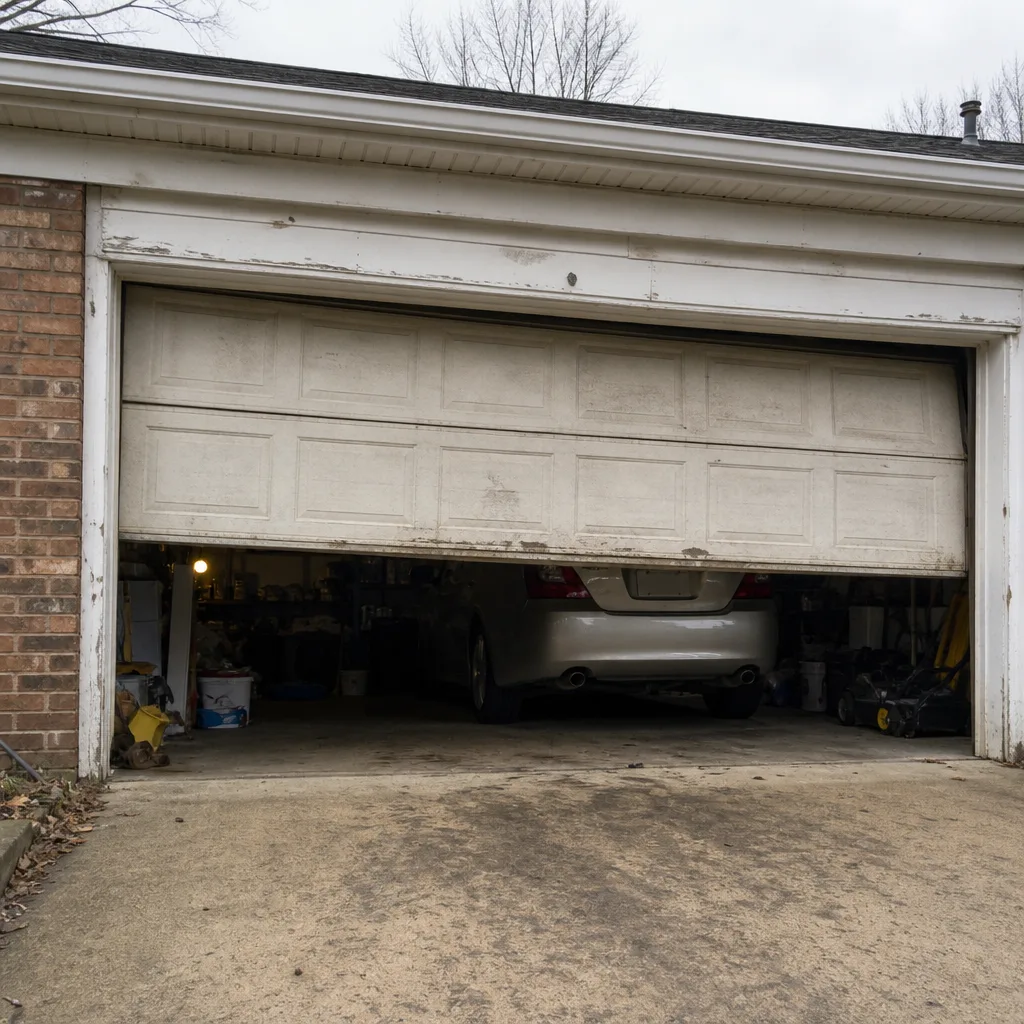
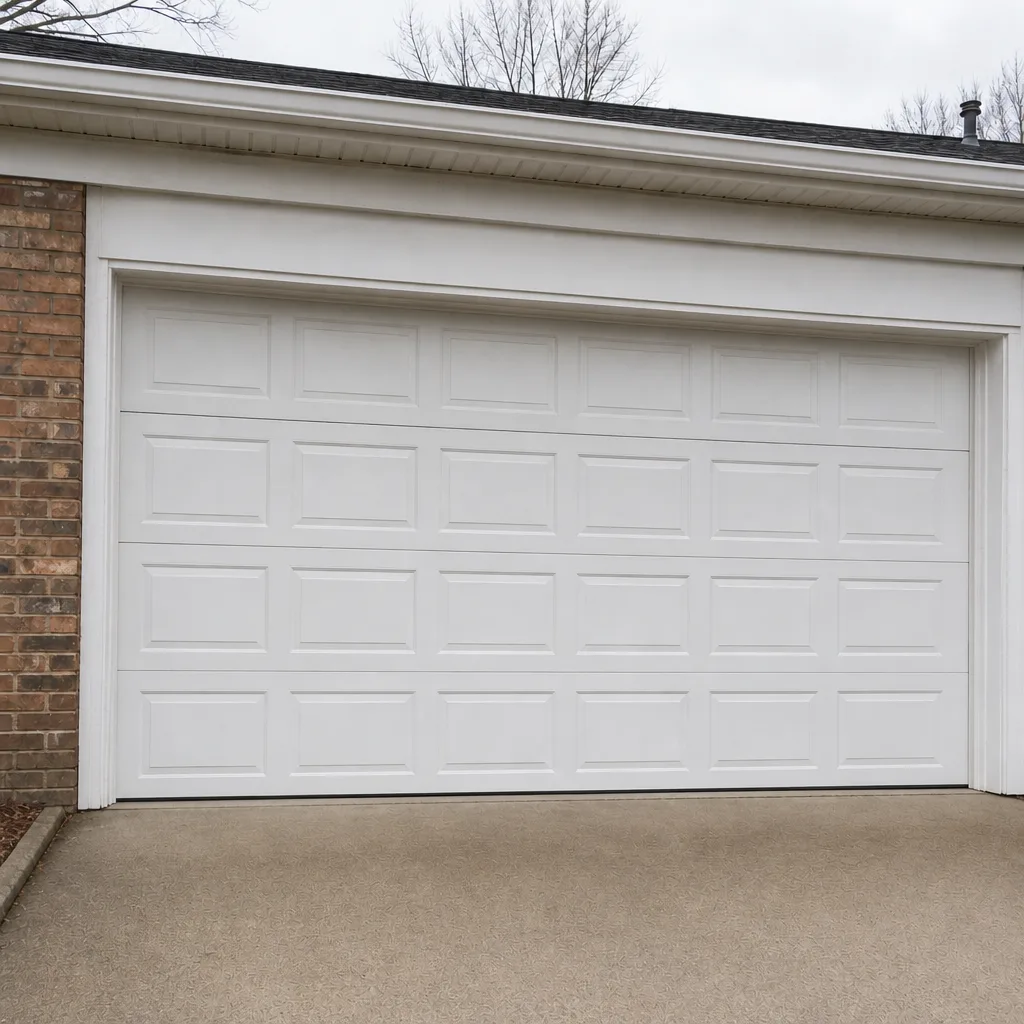
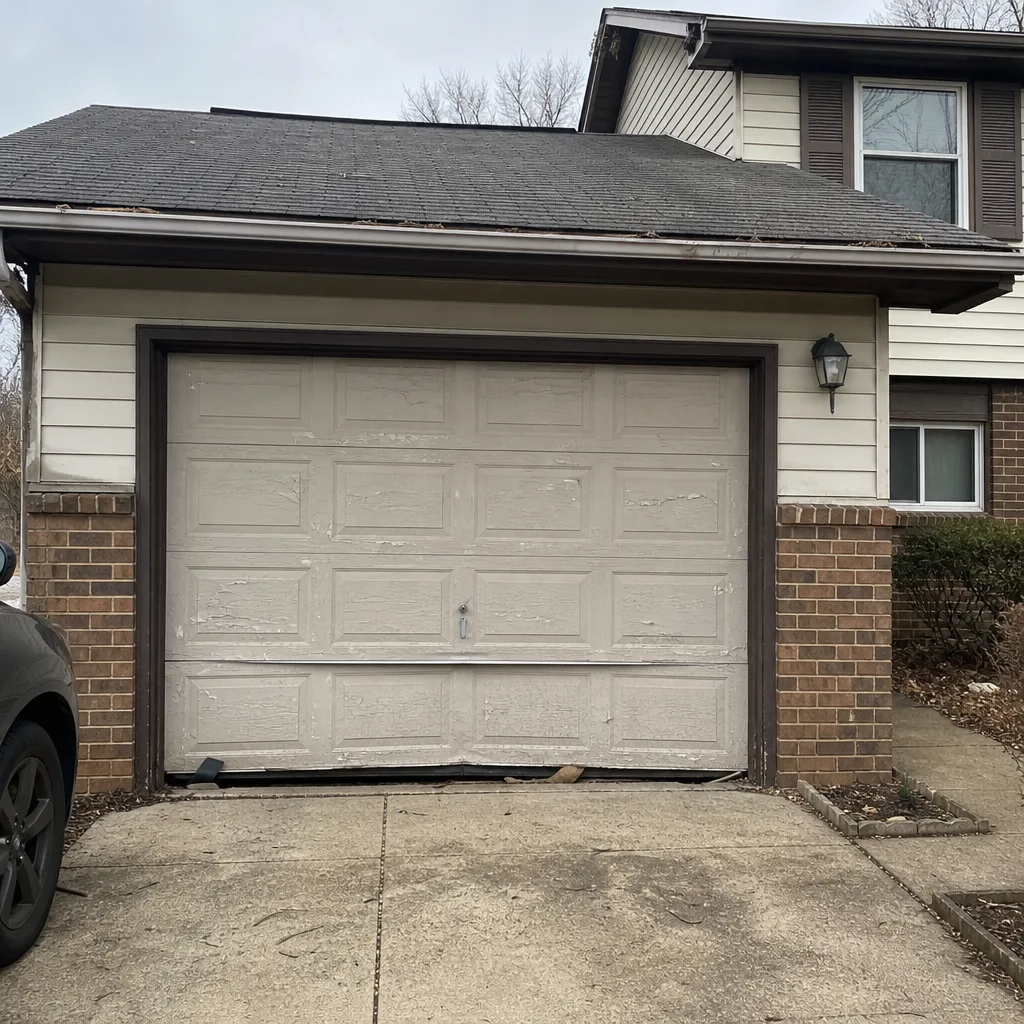
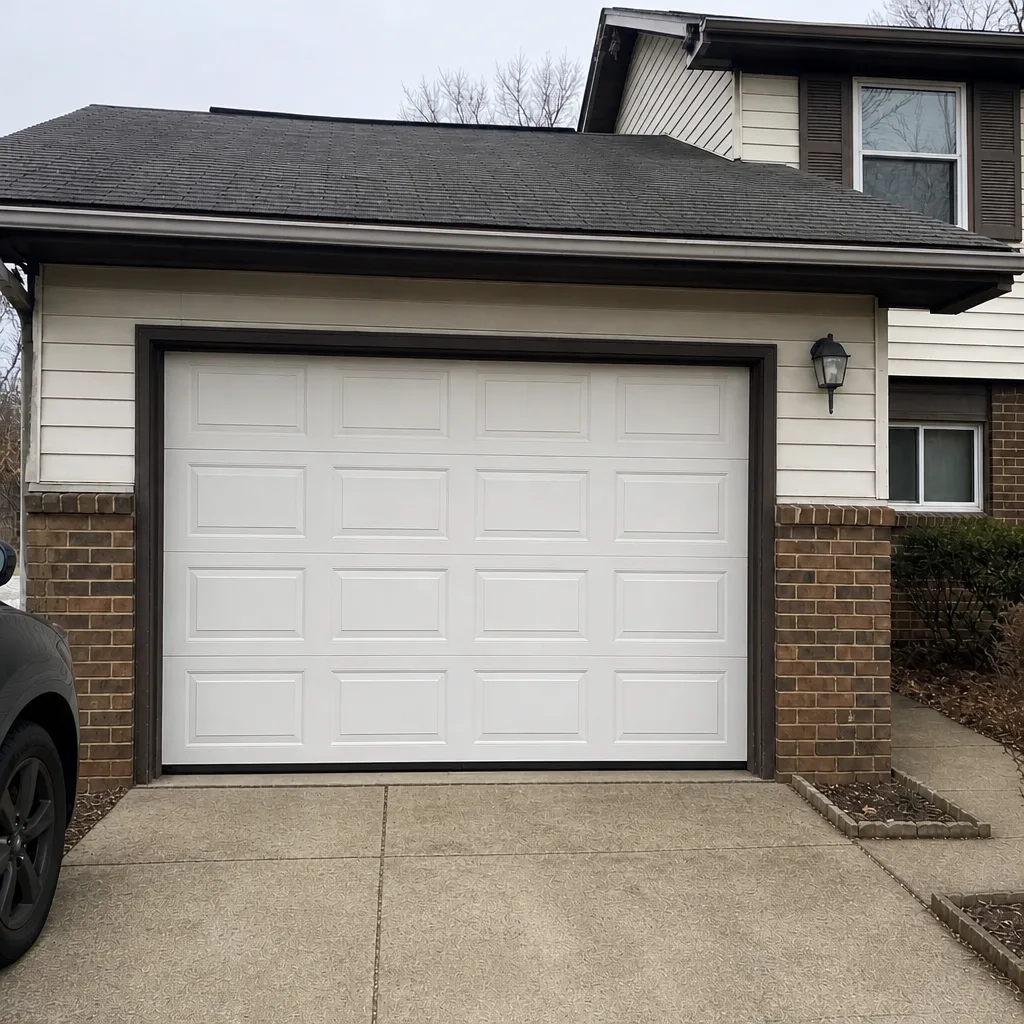
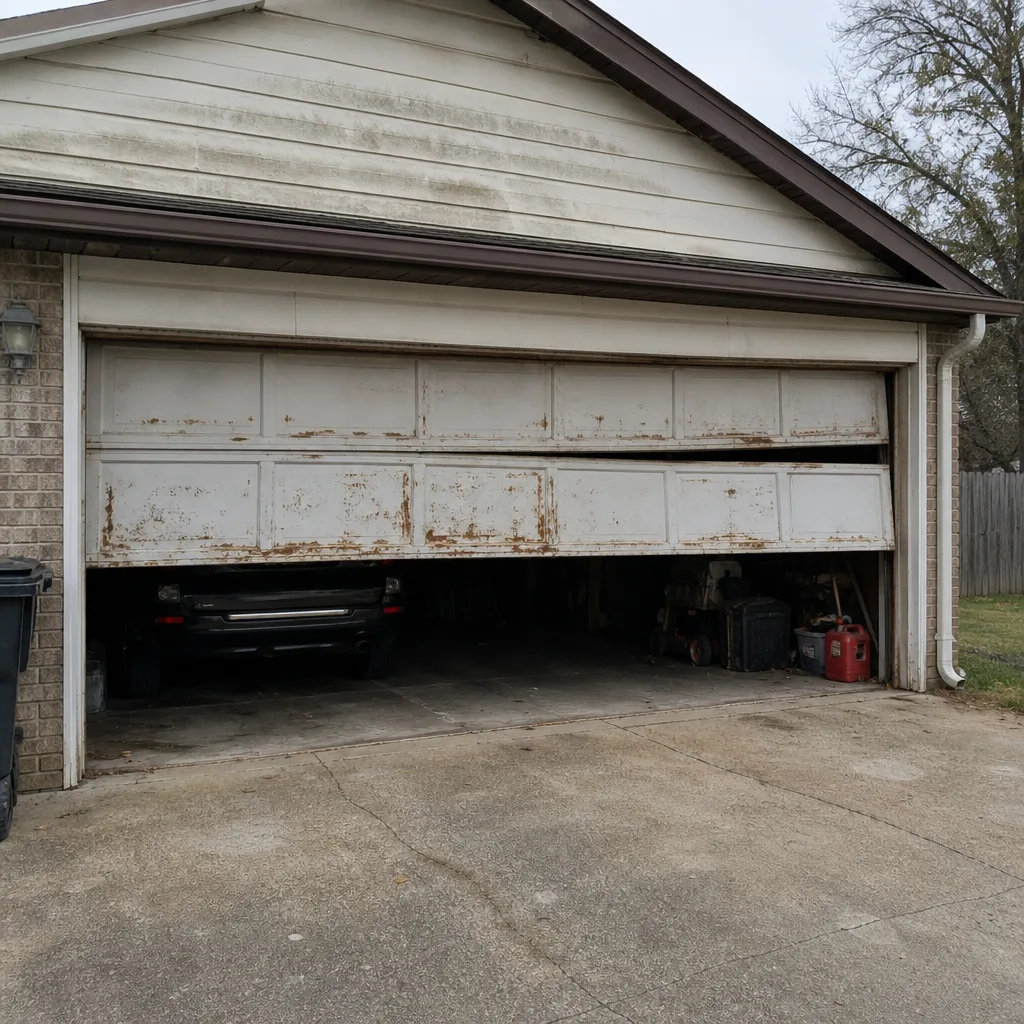
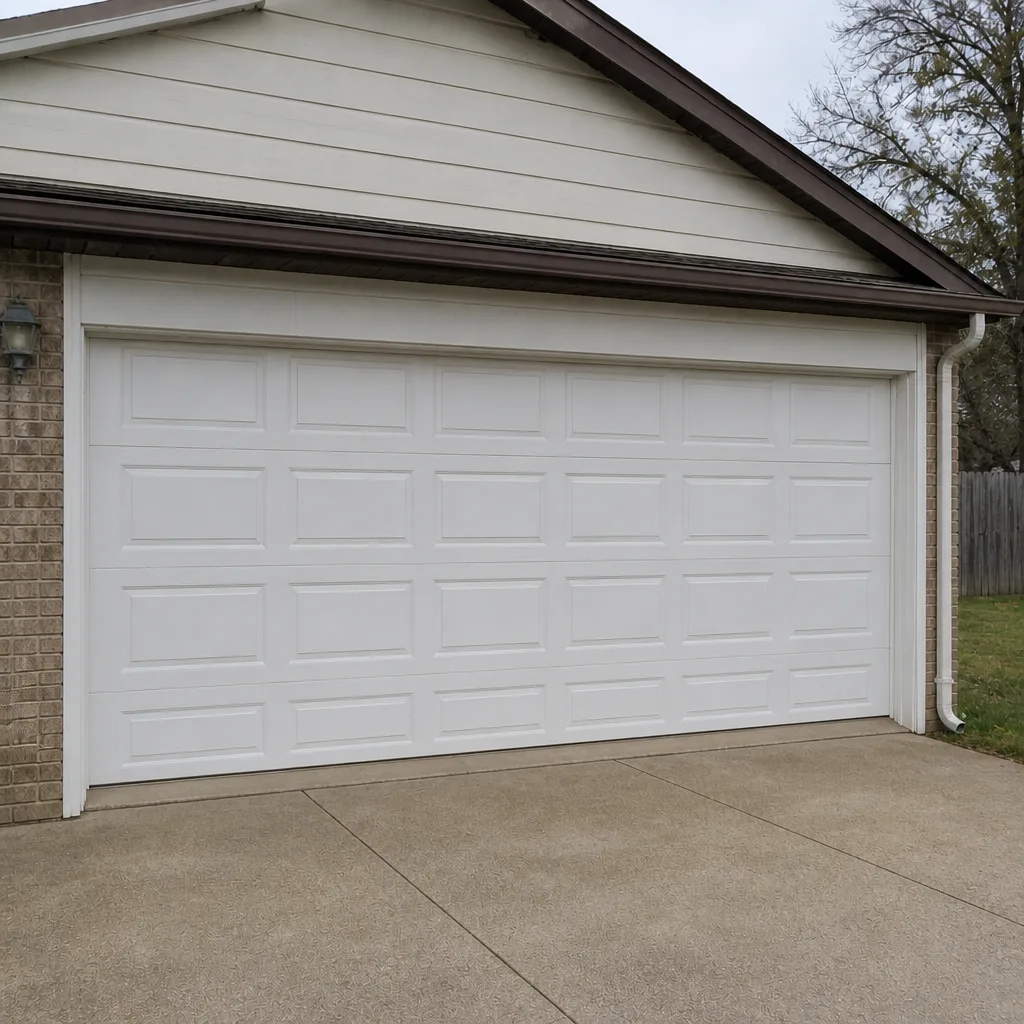
See the difference
 Before
 After
 Before
 After
 Before
 After
When to Call a Professional
Some checks in this guide are safe for any homeowner. Some are not, and some issues are a signal to stop using the door entirely. Call a professional if you find a broken spring, a frayed or off-drum cable, a door that jumps or comes off the track, a bent track, a door that no longer holds halfway, or a safety reverse that fails the test. Also call if the opener grinds, if the door won’t close reliably, or if the door is twenty years or older and hasn’t had a technician look at it. A technician can set the force and balance to the actual door weight, deal with the spring safely, and tell you whether repair or replacement is the better call. Dale City Garage Door Repair offers free estimates in Dale City. Call (844) 766-2325. We answer 24/7, with fast dispatch from 7am to 7pm, Sunday through Friday. The price is quoted and agreed before any work starts.
Frequently Asked Questions
Once a year for a door under ten years old, and twice a year for a door past ten. Lubricate the springs with a garage door grease or spring lubricant, put light oil on metal roller bearings and hinge pivots, and leave the track clean and dry. Do not spray WD-40 on the springs. If you’re not sure which parts need what, call (844) 766-2325 and we’ll walk you through it or come out on a free estimate.
No. A garage door spring is under extreme tension and can cause serious injury, so a broken spring should always be handled by a professional. What you can do is look for a visible gap in the coil or rust on the spring from a safe distance and, if you see either, stop using the door and call. Spring repair is a core service for us, and we’ll tell you whether one spring or a matched pair needs replacing.
Start the door closing with an object at least two inches tall in the opening. It passes if the door reverses and goes back up without touching the object hard, and fails if it presses on it, stalls, or doesn’t reverse. Also wave your leg through the photo-eye beam; it passes if the door reverses immediately. A fail means stop using the door and call us. If the door won’t close reliably, call (844) 766-2325 for a free estimate.
Because metal expands in the heat and contracts in the cold, and Dale City gets both. Summer heat pulls the track seams apart and can make a door bind; winter cold stiffens the springs and puts more load on the opener. Adjust your full inspection to spring and fall, and if you feel the door bind or hear a new noise, have a technician look sooner. Call (844) 766-2325 for a free estimate.
No, and it’s often not the opener at all. Years of skipped lubrication can wear the rollers and the track to the point the door won’t move, which turns a small lubrication job into a roller-and-track fix. A worn hinge, a seized roller, or a lost force setting can all look like a dead opener. A technician can tell you which. Call (844) 766-2325 to book a free estimate.
Very likely. We work on LiftMaster, Chamberlain, Genie, Clopay, Amarr, Wayne Dalton, Craftsman, and Raynor equipment, so whether you have a Wayne Dalton door, a Clopay panel, or a LiftMaster opener, we know the quirks of your system rather than treating it as generic hardware. Our technicians have up to 11 years of experience. Call (844) 766-2325 for a free estimate in Dale City.
The Bottom Line
Maintenance isn’t a ten-point list you run the same way on every door. It’s a set of priorities that change with age and component. On a young door, the safety reverse test and an annual lubrication pass cover most of it. Past ten years, springs, rollers, and balance need closer attention. Past twenty, a technician should look at the whole system more than once a year. Lubricate the right parts with the right product, check the springs and cables without touching them, test the safety reverse every month, and adjust your timing to Dale City’s seasonal swings. Call (844) 766-2325 for a free estimate. We answer 24/7, with fast dispatch from 7am to 7pm, Sunday through Friday.
When a check turns up something you shouldn’t handle yourself, the best path is a professional diagnosis. Whether that’s garage door spring repair, an opener that needs attention, or a full garage door repair, we can look at the whole system and tell you what makes sense. For a full picture of how we work in your community, start with Dale City Garage Door Repair, and call (844) 766-2325 when a check turns up something you’d rather not handle yourself.
Written by the team at Dale City Garage Door Repair.