
Last updated November 23, 2026
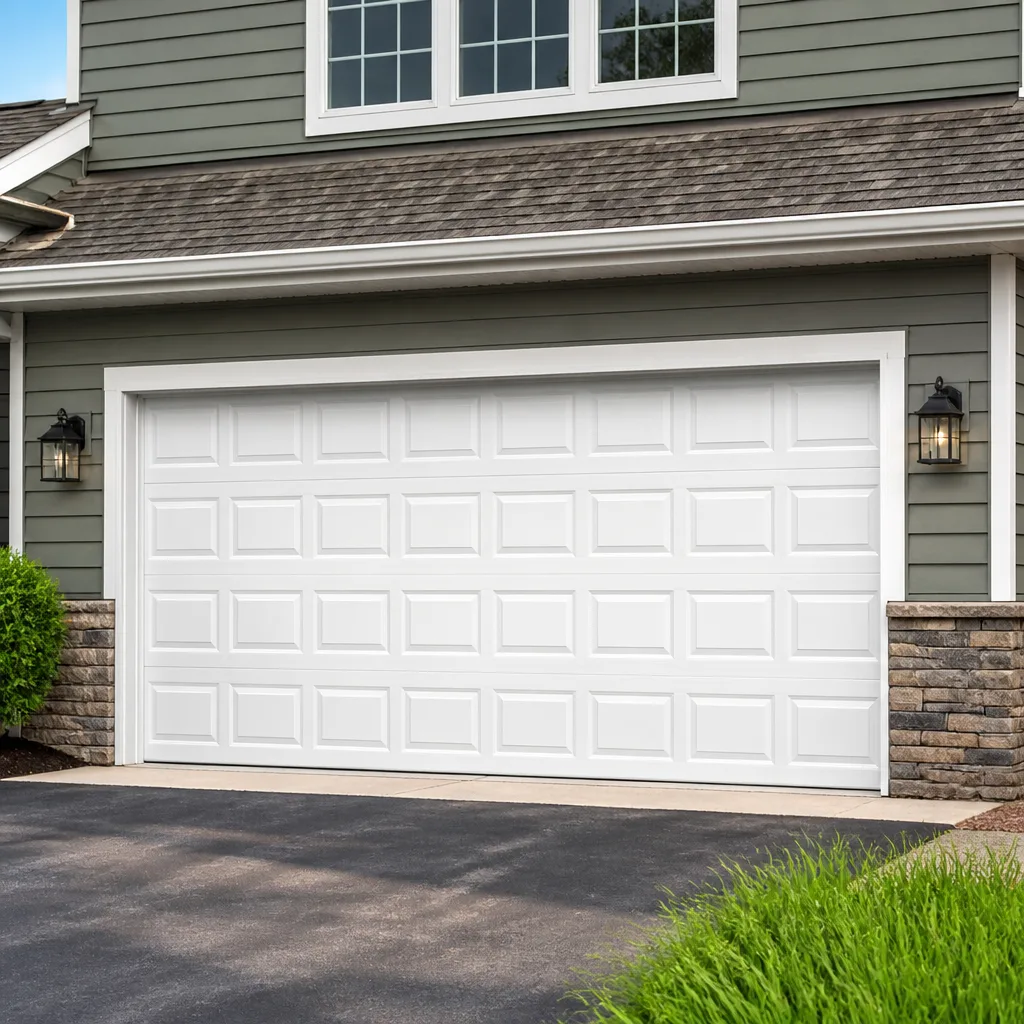 Raised-panel steel
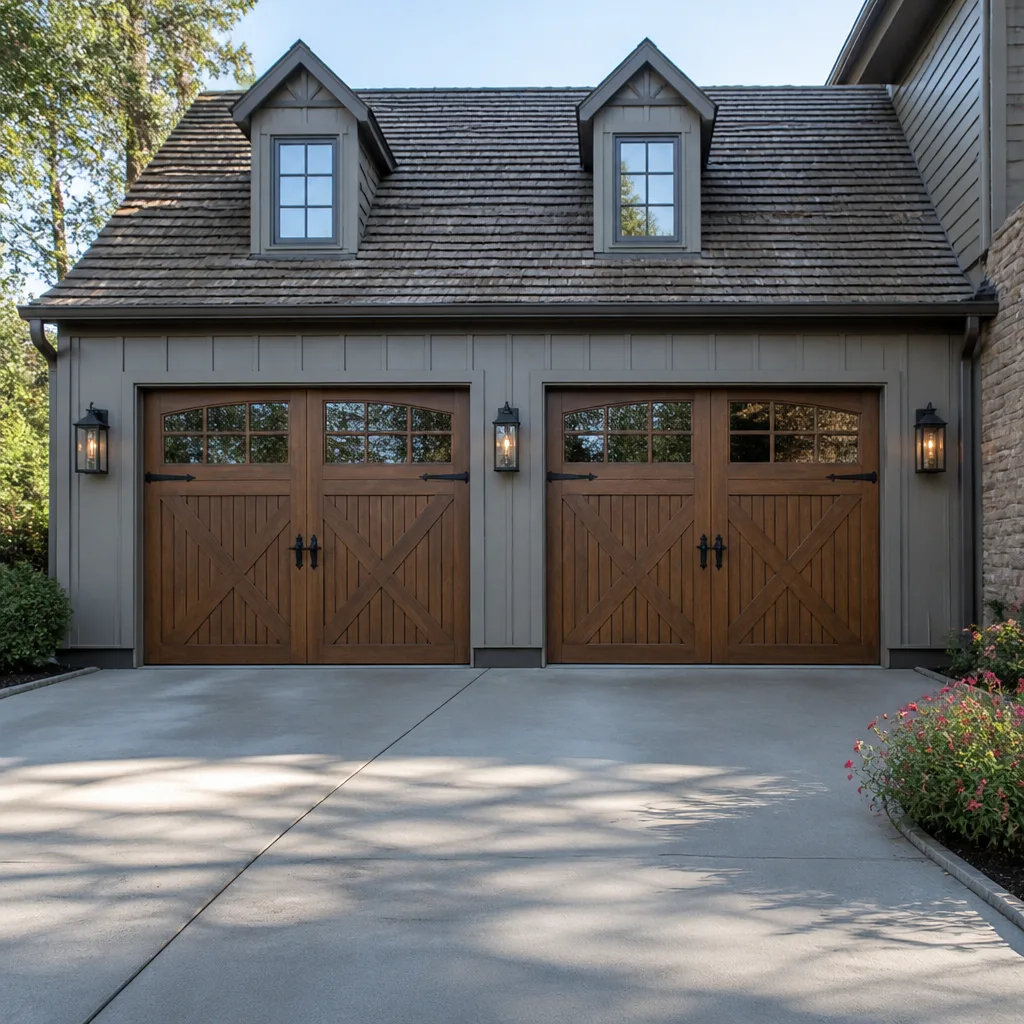 Carriage house
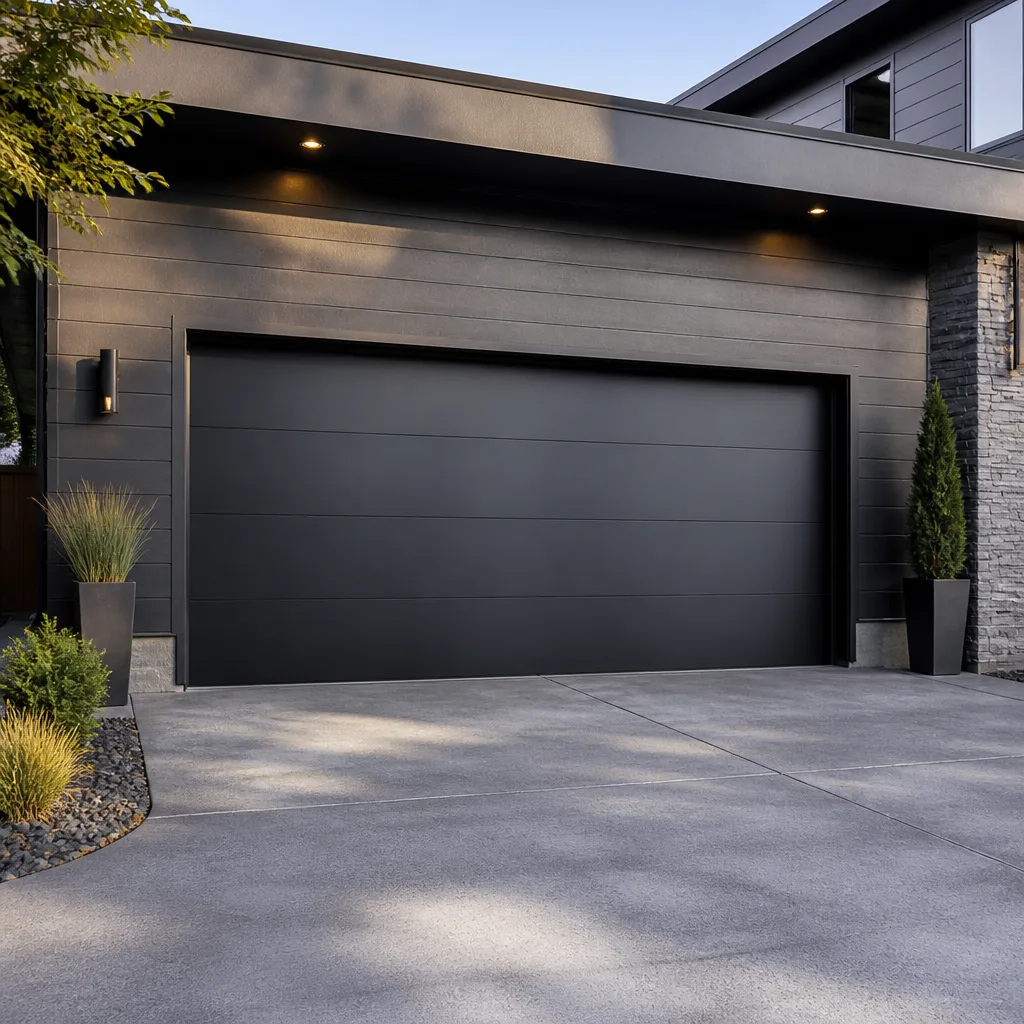 Modern flush
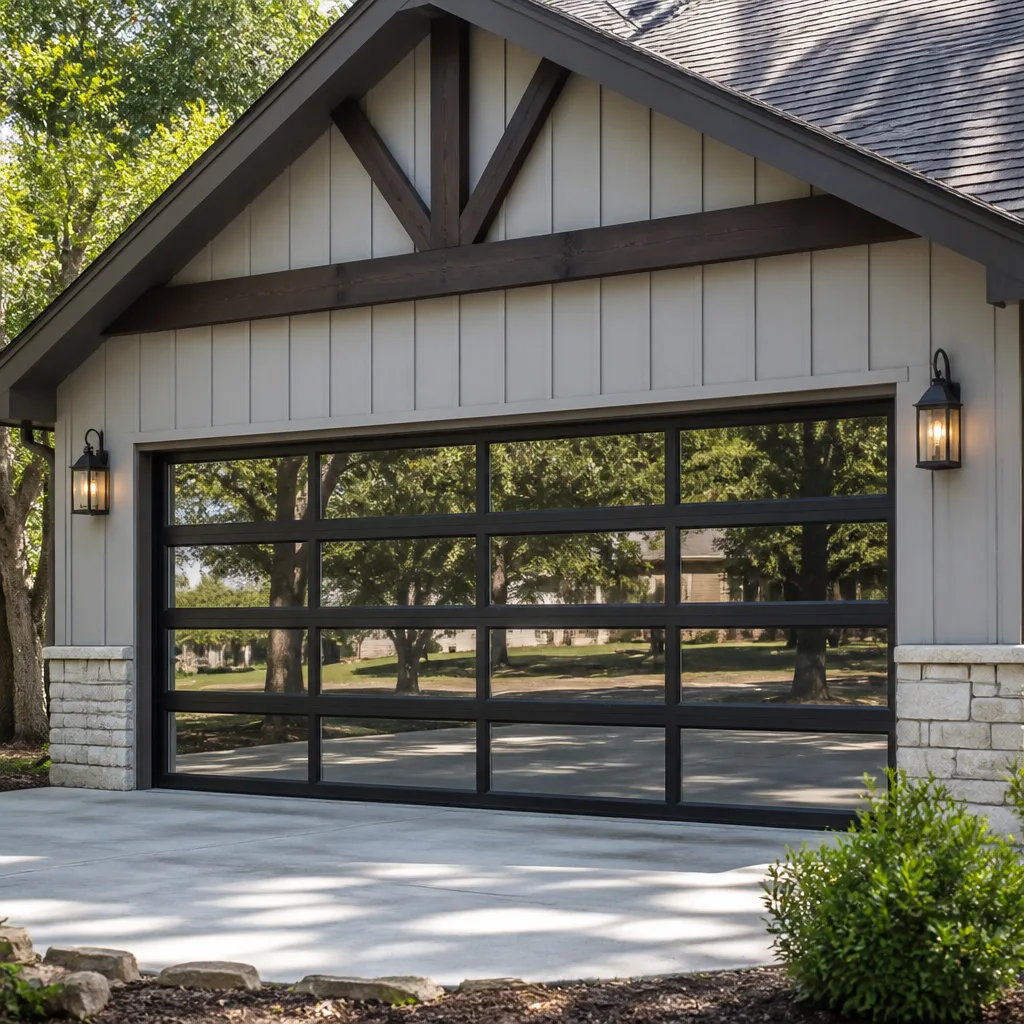 Full-view glass
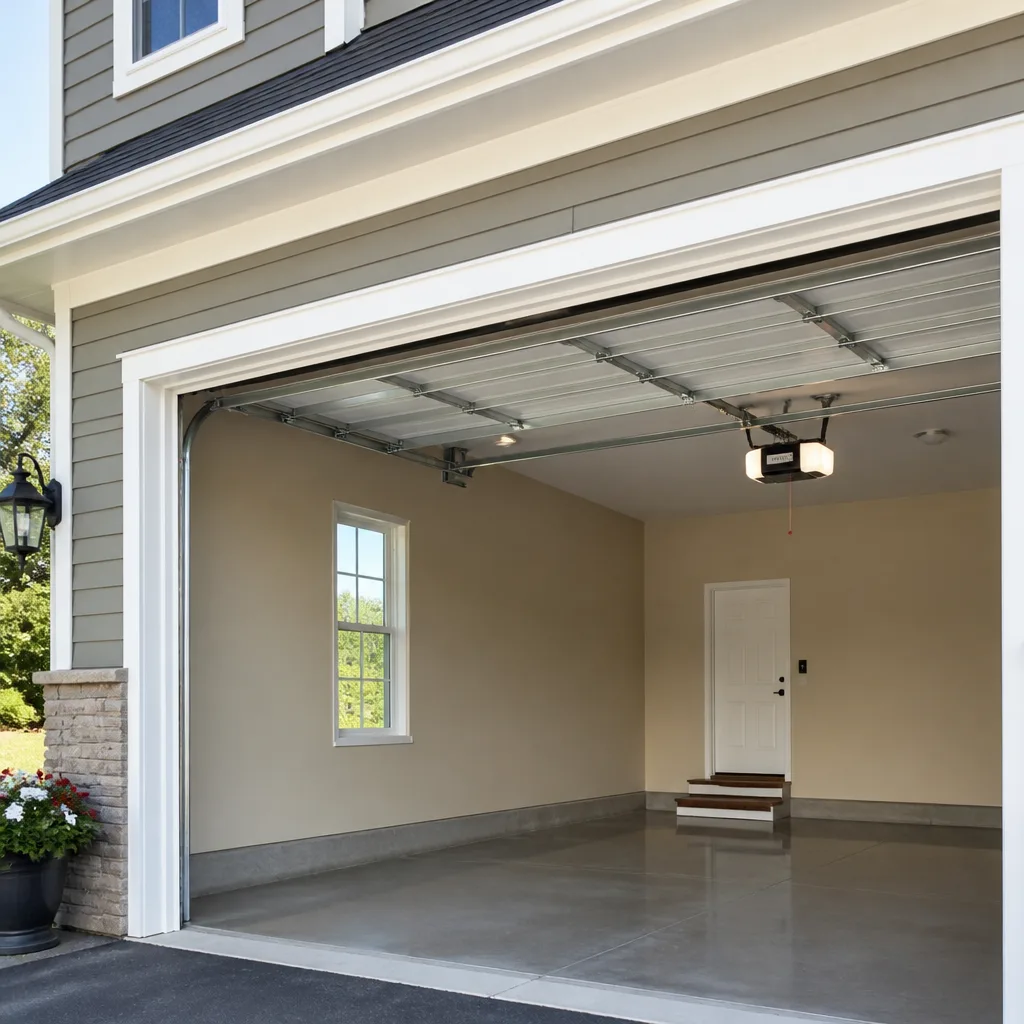 LiftMaster openers
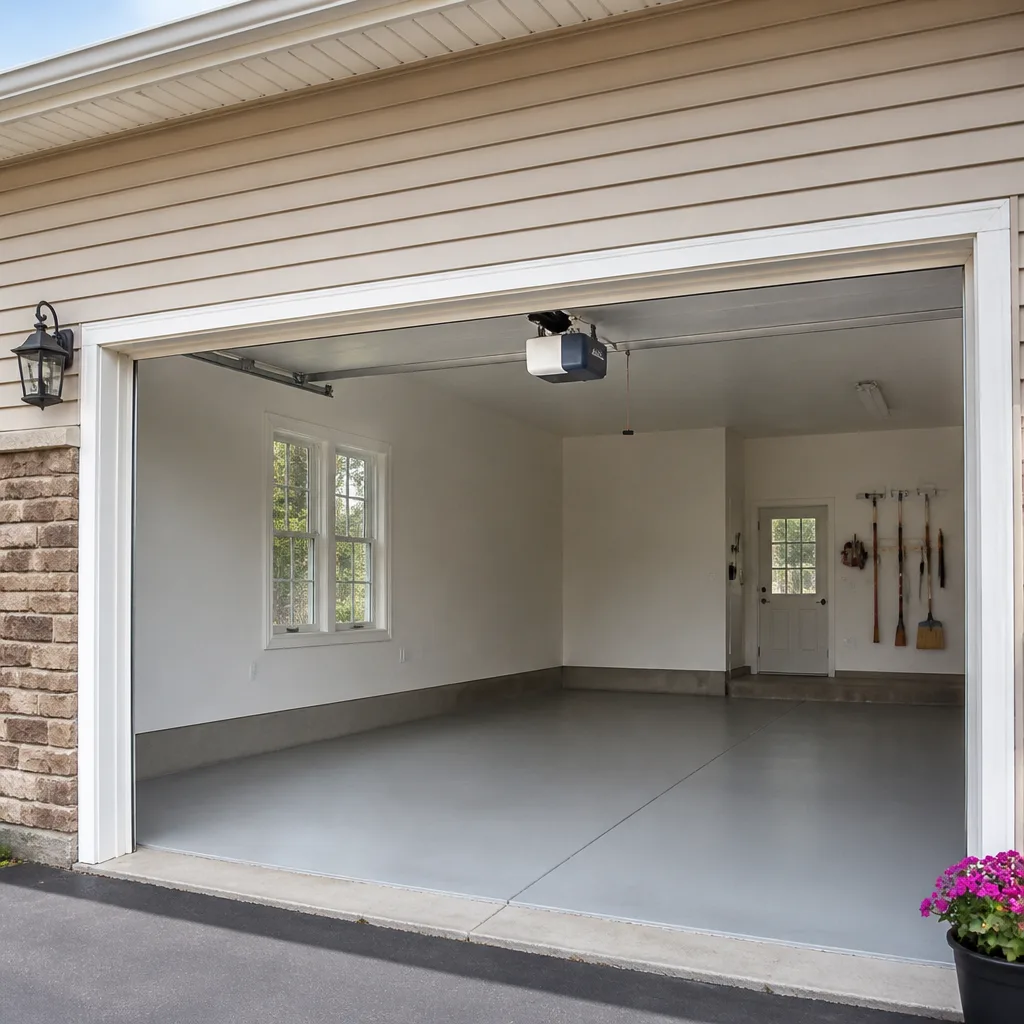 Chamberlain openers
Full 25-point door and opener safety check with every visit - springs, cables, rollers, tracks, and your LiftMaster or Chamberlain opener included
You get a price before we start. It does not change when the pro arrives.
Get your free estimateGarage Door Repair Troubleshooting in Dale City: Common Problems and How to Fix Them
A noisy door and a door that won’t close share one symptom but can have eight completely different causes. We see this constantly in Dale City: a homeowner hears a grind, assumes the motor is dying, and starts pricing a new opener when the actual culprit is a dry hinge or a swollen wood frame. Guessing at garage door problems costs you time and parts you didn’t need, and it can push you toward a repair that doesn’t match what’s actually broken. This guide maps each symptom back to the specific component responsible, so you can sort a five-minute adjustment from a job that needs a trained technician. We’ll walk through spring testing you can do safely, opener fault codes for the brands common in Dale City, and the exact line where DIY stops and professional repair starts.
Styles & brands we work with
- Raised-panel steel
- Carriage house
- Modern flush
- Full-view glass
- LiftMaster openers
- Chamberlain openers
Quick Answer
Most garage door problems trace to one of four systems: the springs and cables that carry the door’s weight, the opener and its logic board, the tracks and rollers that guide travel, or the safety sensors and weather seals at the opening. Diagnosing the failure by system rather than by symptom is what gets a door fixed correctly the first time. In Dale City, big seasonal humidity and temperature swings add a fifth common cause: wood door frames and jambs that swell and bind, mimicking a mechanical failure that isn’t really there. Repair or replace, we’ll tell you which one actually makes sense.
Table of Contents
- The Symptom-to-System Diagnostic Map
- The Two-Finger Balance Test: Is It the Springs?
- Why Dale City Humidity Makes Doors Behave Like They’re Broken
- Opener Fault Codes: What LiftMaster, Chamberlain and Genie Are Telling You
- Safety Sensors and the Door That Won’t Close
- Noise, Vibration and the Worn Parts That Cause Them
- The Stop/Call-Now Boundary: What Homeowners Can Safely Check
- Brand Quirks: Clopay, Amarr, Wayne Dalton and Craftsman Systems
- Common Mistakes to Avoid
- When to Call a Professional
- Frequently Asked Questions
The Symptom-to-System Diagnostic Map
Troubleshooting starts with a simple rule: describe what the door does, then find the component that controls that motion. A door that opens unevenly, with one side rising before the other, is a balance problem, usually a spring or cable. A door that runs smoothly but reverses halfway down is a safety-sensor problem. A door that hums without moving is an opener problem. When you’ve seen enough of them, the symptom basically points to the part.
Here’s the mapping we use when a technician first looks at a door in Dale City:
- Door won’t budge, opener hums: usually a broken torsion spring or a seized opener gear. The motor is running but there’s nothing lifting the door’s weight.
- Door rises a few inches then stops: often a binding track or a torque-limit setting on a LiftMaster or Chamberlain unit that’s tripping because the door is too heavy to travel.
- One side higher than the other: a snapped cable or a cable that’s jumped its drum. This is not a balance adjustment, it’s a real mechanical failure.
- Door reverses before touching the floor: blocked or misaligned photo eyes, or a down-travel limit set too high.
- Grinding or squealing while moving: dry rollers, worn hinges, or a bent track forcing the door to drag.
- Door closes partway and goes back up: the logic board is reading a force spike, often a swollen wood frame or an obstruction in the track.
- Panel visibly cracked or dented: impact damage to a Clopay or Amarr section, which can throw the door out of alignment as it travels.
- Remote works intermittently: a dying opener battery, a logic board issue, or interference from a newer smart-home device on the same frequency.
Once you’ve matched the symptom to a system, the next step narrows the cause. A hum without movement isn’t the same as a grind without movement, and they aren’t fixed the same way. Diagnosing on the part rather than the symptom is what keeps you from buying an opener when a spring would’ve done it.
The Two-Finger Balance Test: Is It the Springs?
Springs carry most of the door’s weight, which is why a garage door that feels heavy to lift is often telling you a spring has broken or lost tension. Before you call anyone, you can run the two-finger balance test to get a fast read on whether the springs are the actual problem. This is one of the safest diagnostics a homeowner can do, and it eliminates the single most expensive guess.
Here’s the test, done with the door, not the opener:
- Disconnect the opener by pulling the manual release handle so the door moves freely.
- Raise the door to about waist height by hand. If it feels unusually heavy or you can’t lift it comfortably, stop here. That’s a spring issue, and springs are not a DIY job.
- If you can lift it, hold the door at the halfway point with one hand, then try lifting with two fingers only.
- A door in balance stays put with two fingers. A door that wants to fall, or that drifts upward on its own, means the springs are out of adjustment or failing.
- Lower the door, then reconnect the opener before using it again.
What this test tells you is whether the springs are carrying their share of the load. If they aren’t, everything downstream gets stressed: the opener works harder, the panels flex, the whole system wears faster. That’s why garage door spring repair is a core specialty for us, and why we don’t recommend tackling it as a homeowner project. Torsion and extension springs are under high tension even when the door is closed, and releasing that tension incorrectly can cause serious injury. Our technicians have up to 11 years of experience handling springs safely, and we treat it as one of the most high-risk jobs on any door.
Why Dale City Humidity Makes Doors Behave Like They’re Broken
Northern Virginia swings hard between humid summers and dry, cold winters, and garage door openings feel it worse than the rest of the house. Wood jambs, frames and headers absorb moisture when the air is thick, then dry out and shrink when the weather turns. That movement changes the clearances your door travels in, and the door ends up binding, dragging, or stalling when it shouldn’t. Plenty of Dale City doors have been diagnosed as mechanical failures when the real problem was a swollen wood frame.
The signs that humidity, not mechanics, is behind a door that won’t close:
- The door runs fine on dry days and sticks after rain or during humid stretches.
- You can see daylight or feel drag along one jamb but the track itself looks straight.
- The door tries to close, meets resistance, and reverses; the opener isn’t broken, it’s reacting to real force.
- The frame feels tight against your hand at the sides or top of the opening.
The fix usually isn’t mechanical at all. It’s adjusting the weather seal, trimming or planing a swollen jamb back to clearance, or replacing a seal that’s given up. If your door has wood sections, a sealant check before the rainy season pays you back. If your door has a lot of years on the opening hardware, a fresh set of rollers and a track alignment will often remove the drag entirely. That’s the point where garage door repair starts to make sense, because a swollen frame and a misaligned track can fool you into replacing the opener when nothing’s wrong with it.
Opener Fault Codes: What LiftMaster, Chamberlain and Genie Are Telling You
Modern openers report their own problems, and the codes mean specific things once you know the language. LiftMaster and Chamberlain units (the two dominant brands on smart-home-compatible systems) usually flash a numbered LED sequence, while Genie units often show a combination of up and down arrow lights. Craftsman openers, still common in older Dale City homes, tend to use patterned LED flashes on the logic board. Reading the code first saves you a diagnostic call and points a technician straight at the right part.
What the most common codes generally indicate:
- Up-arrow flashes (Chamberlain/LiftMaster): the opener has detected an obstruction or a force problem. Often a track or sensor issue, not the motor.
- Down-arrow flashes: the down-travel limit or the safety sensor is the problem. Check for an object or misalignment before assuming the logic board failed.
- All arrows flashing together: commonly a logic board or motor fault, which is a technician call.
- Yellow LED on a Genie: usually a sensor or signal issue, not a programming problem.
- Red LED on a Genie: often an obstruction or a safety reverse triggered by force, similar to the Chamberlain force code.
- Rapid blinking on a Craftsman board: often a power supply or board problem rather than a mechanical one.
Keep in mind that codes tell you where the opener *thinks* the problem is, which isn’t always the same as where it actually is. A force code can mean the door is binding, not that the opener’s broken. That’s why garage door opener repair on a LiftMaster or Chamberlain unit usually starts with a walk around the door, not the ceiling. We’re factory-familiar with both platforms, which means a technician isn’t reading the code chart for the first time in your driveway.
Safety Sensors and the Door That Won’t Close
Photo eyes are the most common cause of a door that opens fine but won’t close all the way, or that reverses the moment it starts down. These sensors sit a few inches off the floor on each side of the opening and shoot an invisible beam across. If anything blocks that beam, the door reverses on purpose. That’s the safety system doing its job, not failing.
Check these in order before calling anyone:
- Look for obstructions in the beam path: a broom, a bike, a trash can, a fallen leaf pile wedged against the sensor.
- Wipe the lens of each sensor with a dry cloth. Dust and pollen build up fast here in spring.
- Check that both sensors are pointed at each other and haven’t been bumped out of alignment.
- Look at the indicator light on each sensor. Steady means it’s receiving; flickering or dark means it’s cut off or unpowered.
- If the light is dark on both, check the wiring at the sensor and at the opener terminal.
Sunlight can be a culprit too. A sensor facing the morning sun can get washed out and read a false obstruction when the light hits it directly. If your door won’t close at a specific time of day but works fine otherwise, a sensor hood or a slight reposition usually solves it. If the sensors are aligned, clean, and the light is steady on both, but the door still reverses, you’re into logic board or wire fault territory, and that’s a call.
Noise, Vibration and the Worn Parts That Cause Them
Garage door noise is diagnostic. A rattle, a creak, a grind and a squeal each point at a different part. Rattle usually means loose bolts or a door flexing on worn hinges. Creak is dry rollers or pivot points. Grind is metal on metal: worn rollers, a bent track, or the opener chain if it’s dry. Squeal is the same list as creak but further along, and it usually gets worse before it gets better. If the door is silent but the opener is loud, you’ve localized the issue to the head unit, not the door.
What to listen for:
- Rattle at the panels: hinges loosening with age. The fix is tightening or replacing the hinge, not the panel.
- Creak as the door moves: dry rollers or pivot points that need lubrication. A silicon-based lubricant on the moving parts, not the tracks, quiets most of these.
- Grind: worn metal rollers, or a track that’s out of alignment. Grinding is a stop-and-inspect noise.
- Squeal: often a dry chain or a failing opener gear. Persistent squeal on a Craftsman or Wayne Dalton opener tends to mean the chain or the gear is done.
- Bang or thud at the start or end of travel: a travel limit set too aggressively, or a torsion spring that’s lost tension.
It’s worth noting that noise is what gets people to call us after months of putting up with it, and by that point the worn part has often taken a few others with it. A hinge that started rattling can wear the hole it bolts into, which means the panel needs replacing, not the hinge. The earlier the noise is addressed, the smaller the repair.
The Stop/Call-Now Boundary: What Homeowners Can Safely Check
Some garage door troubleshooting is safe for a homeowner. Some isn’t just inconvenient, it’s dangerous. The line isn’t arbitrary; it sits exactly where high-tension components, electrical panels, or the door’s weight are involved. Knowing where that line is protects both your door and you.
Safe for a homeowner to check:
- Photo eye alignment, cleanliness and indicator lights.
- Remote and wall button batteries.
- Visual inspection for obstructions in the track.
- Weather seals and wood jambs for swelling or gaps.
- Listening for noise and running the two-finger balance test.
Stop and call:
- Anything involving the torsion spring, extension springs, or the cables on either side. These carry the door’s full weight and are under tension even when the door is down. A snapped cable or a released spring can cause serious injury, and it’s not a part to learn on.
- Anything involving the opener’s internal wiring, the logic board, or the electrical panel. Homeowners shouldn’t open an opener casing or touch household wiring.
- A door with a broken spring that’s been left hanging. Don’t force it up or down. Run the door by hand only if you can do so safely; better, leave it closed and call.
- A door that’s come off one track or is visibly bent. Do not operate it; the risk of the door falling is real.
- Any time the door is being held up by something other than its springs.
When the door is stuck and the house is open to the street, this is where emergency service matters. We handle emergency garage door service for exactly those situations. If you’re not sure which side of the line you’re on, call us and describe what you’re seeing. It’s a free estimate, and a technician will tell you which repairs make sense and which don’t.
Brand Quirks: Clopay, Amarr, Wayne Dalton and Craftsman Systems
Brands develop personalities. A Clopay panel isn’t the same as an Amarr panel, and a Wayne Dalton torsion system works differently from a Craftsman opener setup. Knowing those quirks saves time and prevents the wrong part from being ordered. We’re certified to service LiftMaster, Chamberlain, Genie, Clopay, Amarr, Wayne Dalton, Craftsman and Raynor, which means a technician working on your door has likely seen the specific failure you’re describing on the same equipment.
What each brand tends to teach us:
- Clopay: panel profiles and hinge placements vary across product lines, so replacing a section needs the exact panel from the original series, not a close match.
- Amarr: many of their doors use a specific roller and hinge pattern, and a generic retrofit doesn’t always seat right in the track.
- Wayne Dalton: some of their doors use a proprietary torsion system with a different torque tube and spring arrangement. A standard torsion setup won’t fit without conversion.
- Craftsman: the older Craftsman opener line has logic boards that behave differently from modern LiftMaster or Chamberlain boards; fault codes and travel limits aren’t always diagnosed the same way.
Whether you have a Genie opener or a Clopay panel, the technician working on it should recognize the brand before touching it. That’s the shortcut that prevents the “we ordered the wrong part, come back next week” scenario. It’s also why our team focuses on the eight major brands rather than treating every door as generic hardware.
Common Mistakes to Avoid
- Replacing the opener when the springs are the problem. A door that won’t lift isn’t a dead motor; it’s usually a spring that’s lost tension. Replacing the opener without checking the balance leaves you with a new motor lifting a door it can barely move, and a repair bill for the wrong part.
- Forcing a stuck door up or down by hand. If a spring has snapped or a cable is off, forcing the door risks the door coming down hard or the cable whipping. Leave it and call.
- Assuming a swollen wood frame is a mechanical failure. Dale City humidity swells jambs, which bind the door and trip the opener’s force limit. Check for drag and daylight along the jamb before assuming the track is bent.
- Tightening the torsion spring yourself. This is the single most dangerous mistake a homeowner can make on a garage door. Torsion springs are under high tension at all times, and the injury risk is real, not hypothetical.
- Cleaning the track with a lubricant. Track surfaces should stay clean and dry; lubricant on the track collects grit and accelerates roller wear. Lubricate the rollers, hinges and pivot points, not the track.
- Ignoring a fault code without reading the door. A force code isn’t a verdict on the opener; it’s a hint. A binding track, a swollen frame, or a worn roller all trigger the same code, and replacing the opener won’t fix any of them.
- Waiting on a grinding door. A grind means metal on metal. Every use wears the roller and the track together, and a small repair turns into a larger one.
When to Call a Professional
Call a professional when the problem is anywhere near the springs, cables, opener wiring, or a door that’s come off the track. Call too when the diagnosis has stalled out: if you’ve cleaned the sensors, checked the balance, read the fault code and the door still misbehaves, the next step is a technician with the parts and the tools. We also recommend calling after any impact to a panel or track, because the door can look straight and still travel badly. And call if your door has been noisy for a while; noise is the earliest warning a door gives.
Dale City Garage Door Repair offers free estimates in Dale City. Call (844) 766-2325. We answer 24/7. Fast dispatch from 7am to 7pm, Sunday through Friday. Our technicians have up to 11 years of experience, and we’re certified to service eight major brands, so a technician walking up your driveway has likely seen your exact door and opener combination before.
Frequently Asked Questions
Run the two-finger balance test with the opener disconnected: if the door feels very heavy, or won’t hold position with two fingers, the springs are the problem, not the opener. If the door balances in the middle and moves easily by hand, but the opener still won’t lift it, the fault is in the opener or the travel-limit settings. Don’t try to fix a spring yourself; that’s a trained-technician job, and it’s the most common serious injury in garage door work.
Blocked or misaligned photo eyes are the most common cause of a door that reverses before closing. Check for obstructions in the beam path, wipe the lenses, and confirm both sensor lights are steady. If the sensors are clean and aligned, the problem is usually a down-travel limit or a force setting on the opener. Call (844) 766-2325 for an exact quote if it’s not resolving with the basics, because estimates are free.
Humidity swells wood jambs and frames, which reduces the clearance the door travels in and makes it bind. The opener reads that drag as increased force and either stops or reverses. Adjusting the seal, planing a swollen jamb, or replacing a worn weather seal usually solves it, and it’s one of the most common “false mechanical failure” calls we get in Dale City.
The flash pattern points at the system the opener thinks is failing: up-arrow or down-arrow flashes usually mean an obstruction, sensor issue or travel-limit problem, while all arrows flashing together commonly point to a logic board or motor fault. Genie units use a different signal set, and older Craftsman openers use patterned LED flashes on the board. Read the door before replacing the opener, because a force code often means the door is binding, not that the opener is broken.
No. Torsion and extension springs are under high tension at all times, even when the door is down, and releasing that tension incorrectly can cause serious injury. Spring repair is the single most dangerous homeowner job on a garage door, and it’s the one we handle as a core specialty because we’ve seen what happens when a homeowner tries and gets it wrong. Call (844) 766-2325 for a safe, professional repair.
We’re certified to service LiftMaster, Chamberlain, Genie, Clopay, Amarr, Wayne Dalton, Craftsman and Raynor equipment, so whether you have a Clopay panel or a Genie opener, the answer is almost certainly yes. If your brand isn’t on that list, call us and describe what you have; we’ll tell you before you book. Call (844) 766-2325. We answer 24/7, with fast dispatch from 7am to 7pm, Sunday through Friday.
The Bottom Line
The mistake most Dale City homeowners make is treating a symptom instead of a system. A grinding door isn’t always a failing opener; a door that won’t close isn’t always a broken sensor; and a swollen wood frame in humid weather can imitate a mechanical failure convincingly enough to cost you a motor you didn’t need. Read the door, run the balance test, check the sensors, and check the fault code before assuming. Where springs, cables, wiring or a door off its track are involved, stop and call. Repair or replace, we’ll tell you which one actually makes sense, and the price is quoted and agreed before any work starts.
Written by the team at Dale City Garage Door Repair.
If you’re not sure what’s wrong with your door, call (844) 766-2325 for a free estimate from Dale City Garage Door Repair. We answer 24/7. Fast dispatch from 7am to 7pm, Sunday through Friday, and a written price before any work begins.
See the difference
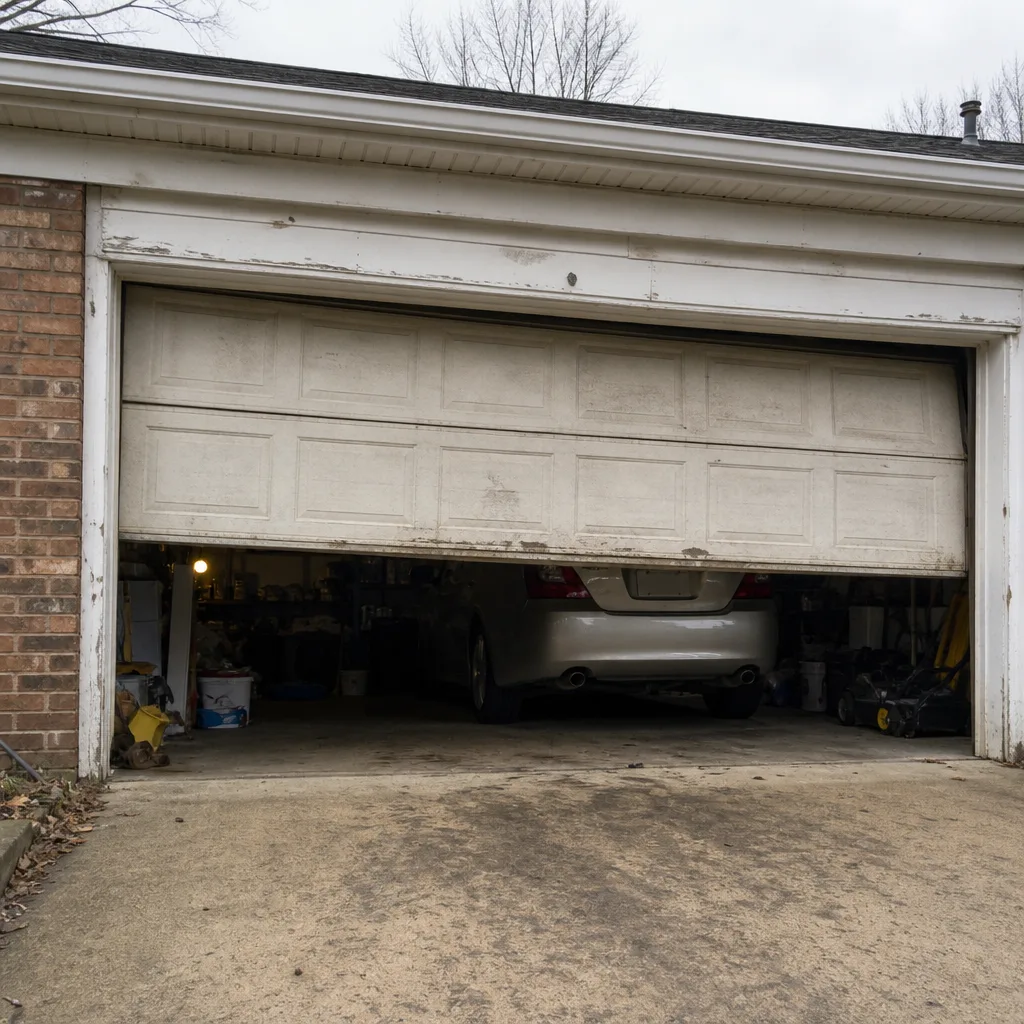 Before
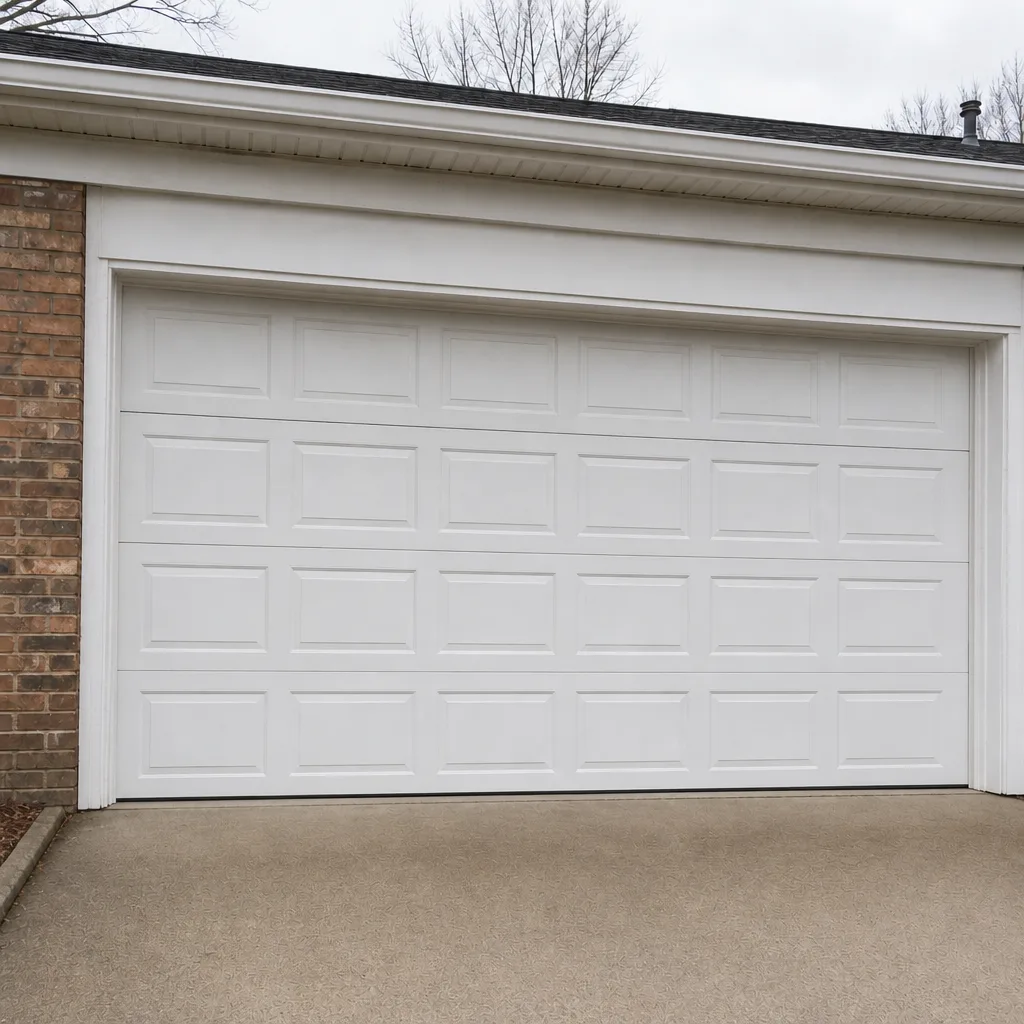 After
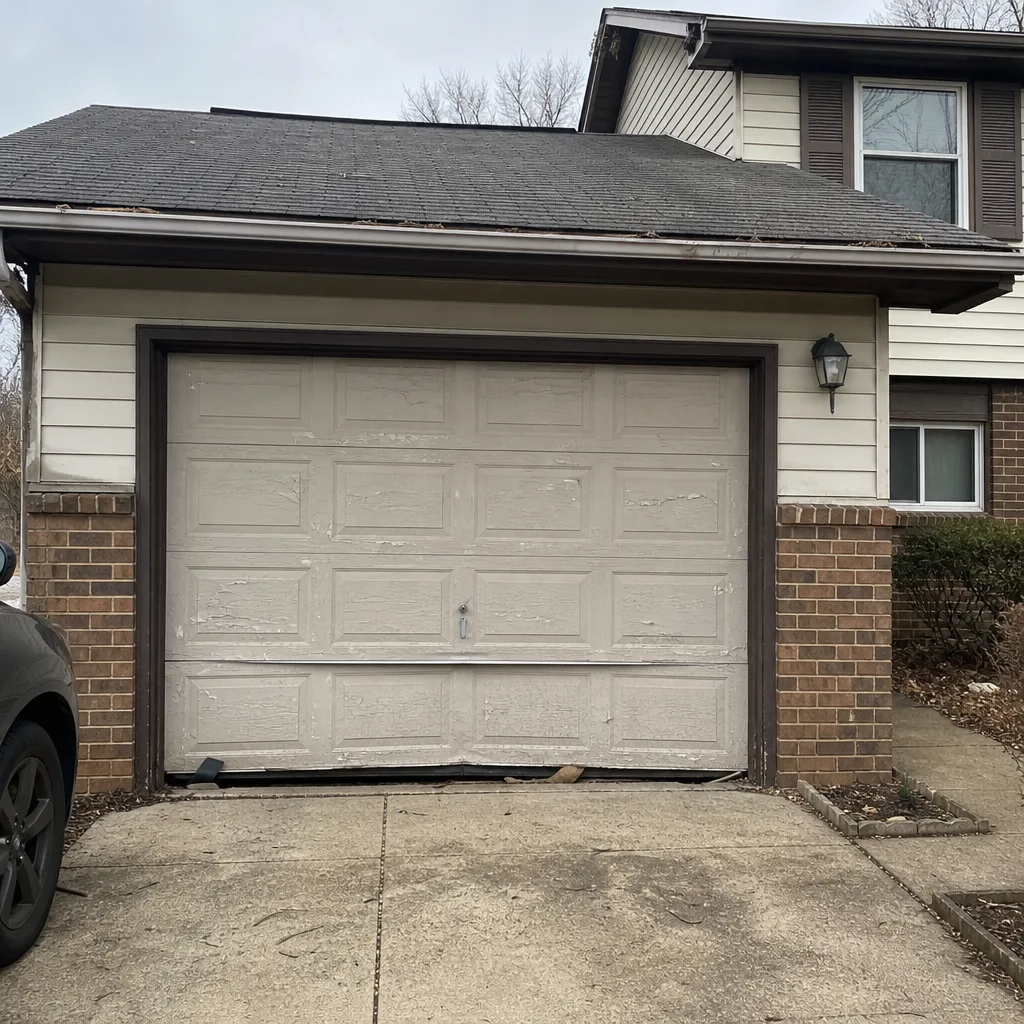 Before
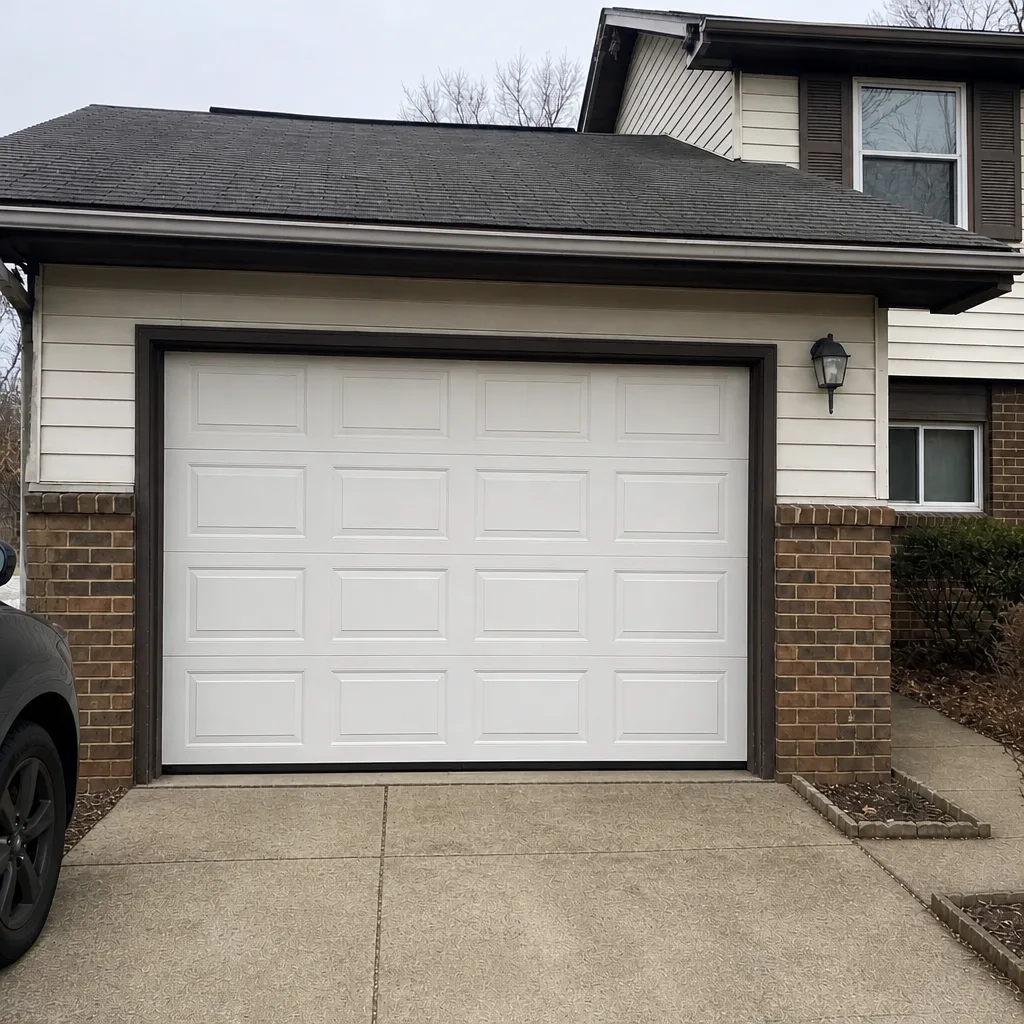 After
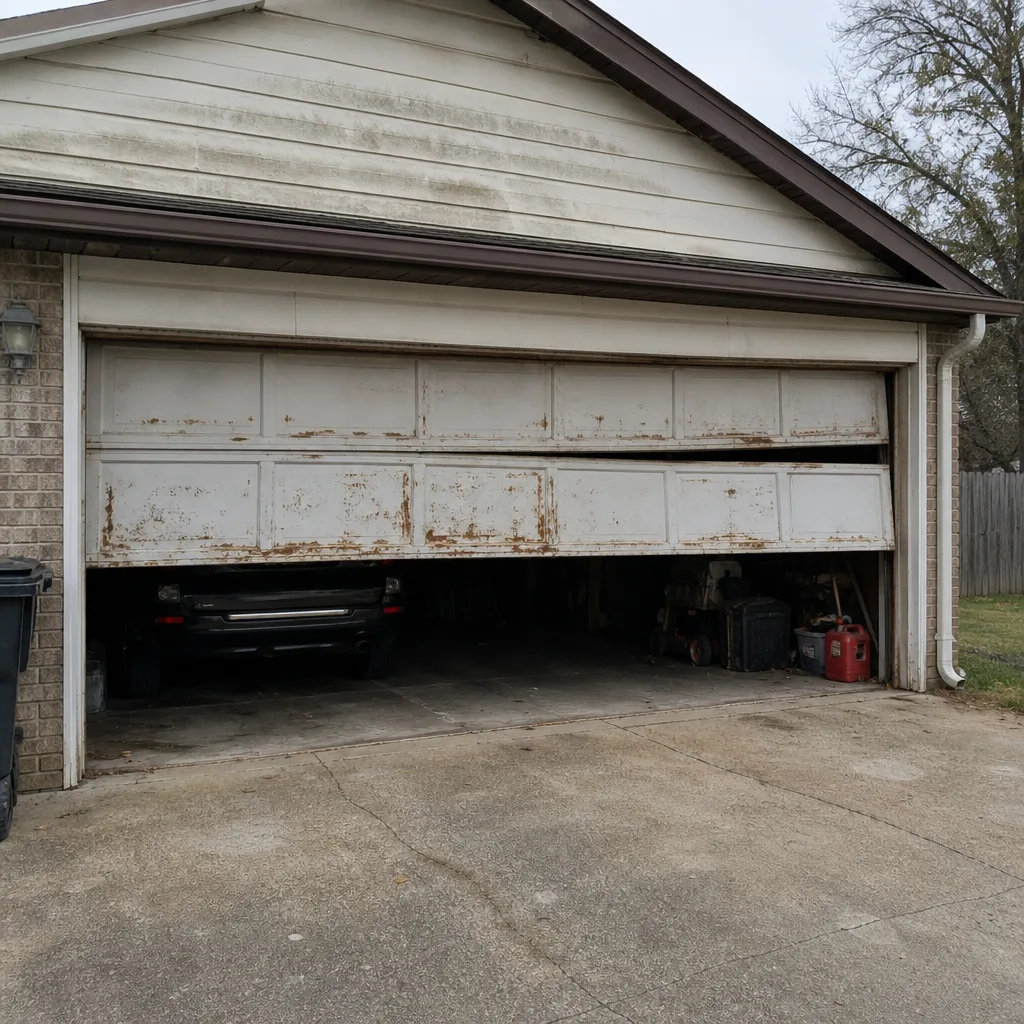 Before
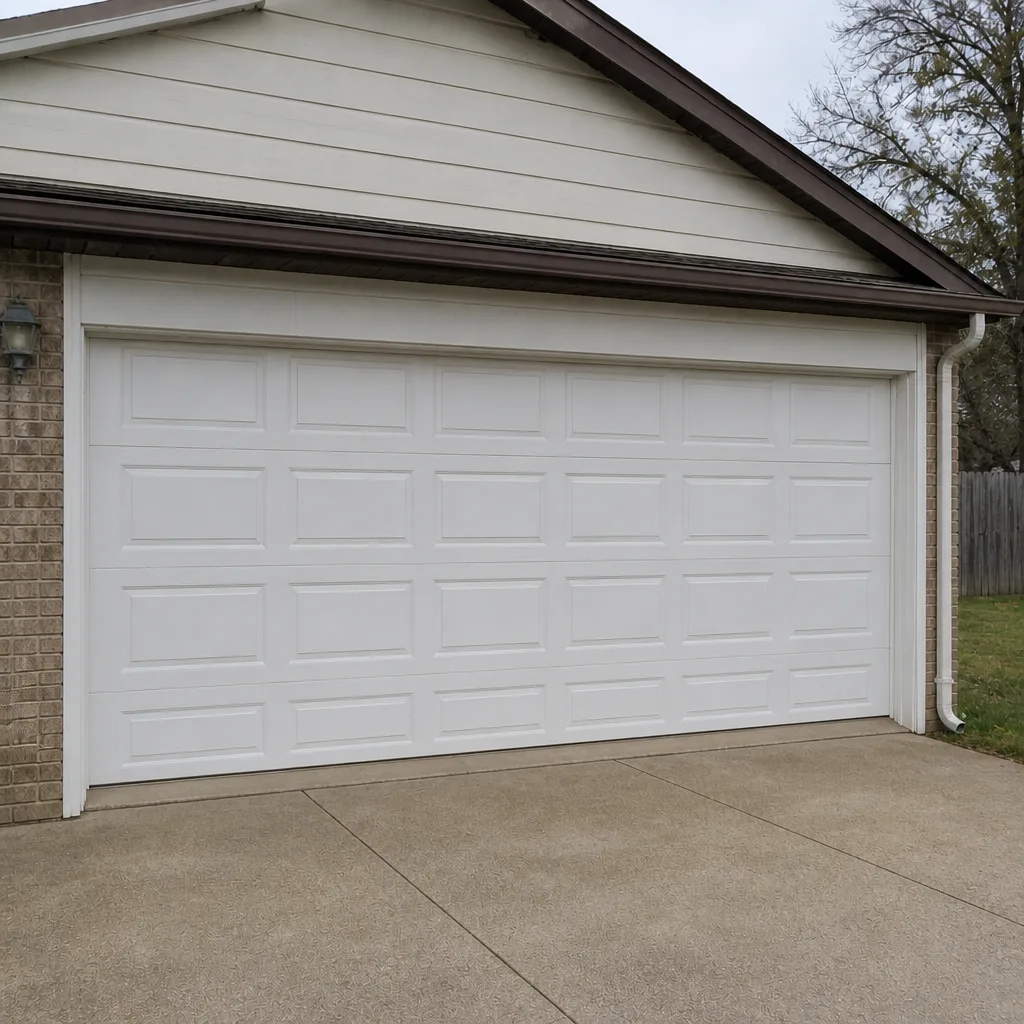 After